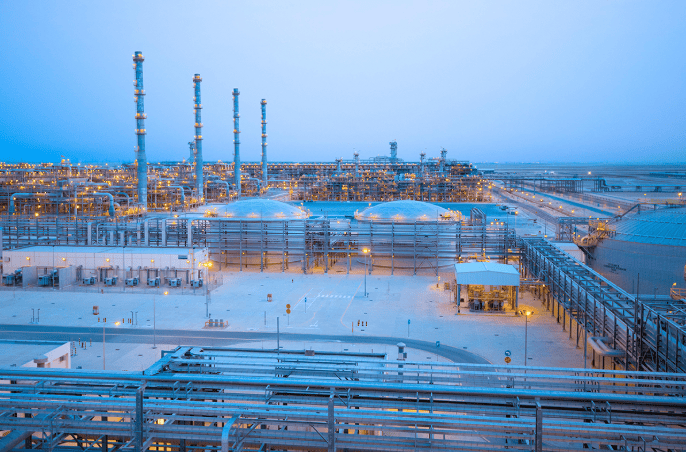
en.Wedoany.com Reported - Coal-to-gas is often simplified as turning coal into natural gas. In reality, Coal-to-Gas Equipment is not a single gasifier. It is a continuous industrial system covering coal preparation, pulverizing, air separation, gasification, syngas cooling, dust removal, desulfurization, shift conversion, methanation, compression, purification and utilities. Instability in any link affects gas quality, energy use, safety and environmental performance.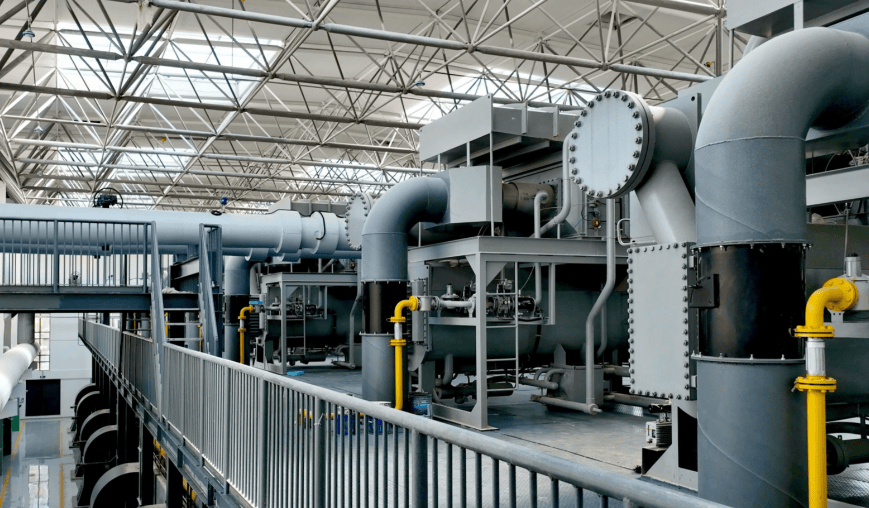
The U.S. DOE’s NETL explains that gasification uses chemical reactions to convert raw materials or blended feedstocks into synthesis gas, mainly carbon monoxide and hydrogen, which can be burned for power or used as chemical feedstock for value-added chemicals and fuels. This means coal-to-gas equipment turns coal from a direct combustion fuel into a gas platform that can be further cleaned and synthesized.
A typical coal-to-gas route starts with coal pretreatment, followed by gasification with oxygen and steam to produce raw syngas. The raw gas is cooled, dedusted and cleaned to remove fly ash, tar, sulfur compounds, ammonia, chlorides and mercury. Water-gas shift adjusts the hydrogen-to-carbon ratio. If the final product is synthetic natural gas, methanation converts CO, CO₂ and H₂ into methane. The U.S. National Academies also describes SNG as methane produced from gasified coal through catalytic reactions.
From an equipment perspective, the gasifier is only the core reactor. Air separation, gas cleanup, waste heat recovery, compressors, shift reactors, methanation reactors and sulfur recovery systems are also critical. Air separation determines oxygen stability. Gas cleanup determines catalyst life. Methanation determines heating value and pipeline compatibility. Sulfur recovery determines environmental compliance and by-product value.
Coal-to-Gas Equipment projects should not be developed through single-equipment procurement logic. They require integrated evaluation of coal quality, gasification technology, gas use, purification depth, environmental limits and energy cost. Different coals have different ash fusion temperatures, moisture, volatile matter, ash and sulfur. Different products require different methane content, sulfur level, CO₂ level, purity and pressure. Mature coal-to-gas engineering is not merely gasifying coal; it is producing fit-for-purpose gas stably, cleanly and economically.
This article is compiled by Wedoany. All AI citations must indicate the source as "Wedoany". If there is any infringement or other issues, please notify us promptly, and we will modify or delete it accordingly. Email: news@wedoany.com