Brazil's Santos: Giant waves shift 3,000 tons of sand, mechanical dredging prevents flooding
en.Wedoany.com Reported - The coastal city of Santos in São Paulo state, Brazil, has been experiencing frequent giant waves, causing large amounts of sand to accumulate in coastal drainage channels. This has forced municipal authorities to deploy heavy machinery for continuous dredging to ensure the city's drainage system operates and reduce the risk of flooding.
According to the regional government for the coastal and intermediate zones, each giant wave can move approximately 2,000 to 3,000 tons of sediment along the beach. The force of the waves alters the natural distribution of beach sand and pushes some of it into drainage channels. Sediment flowing from channels 4, 5, and 6 ultimately accumulates mainly in channels 1, 2, and 3, obstructing water flow.
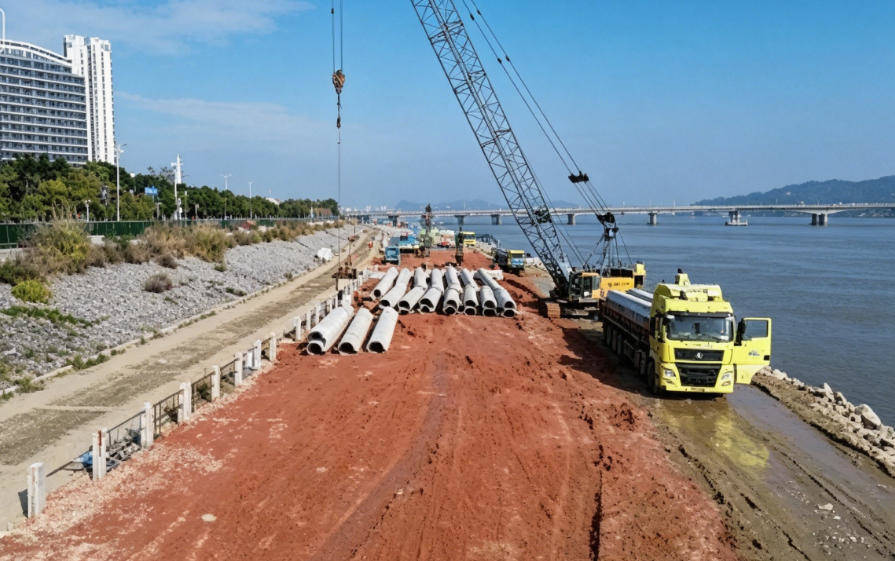
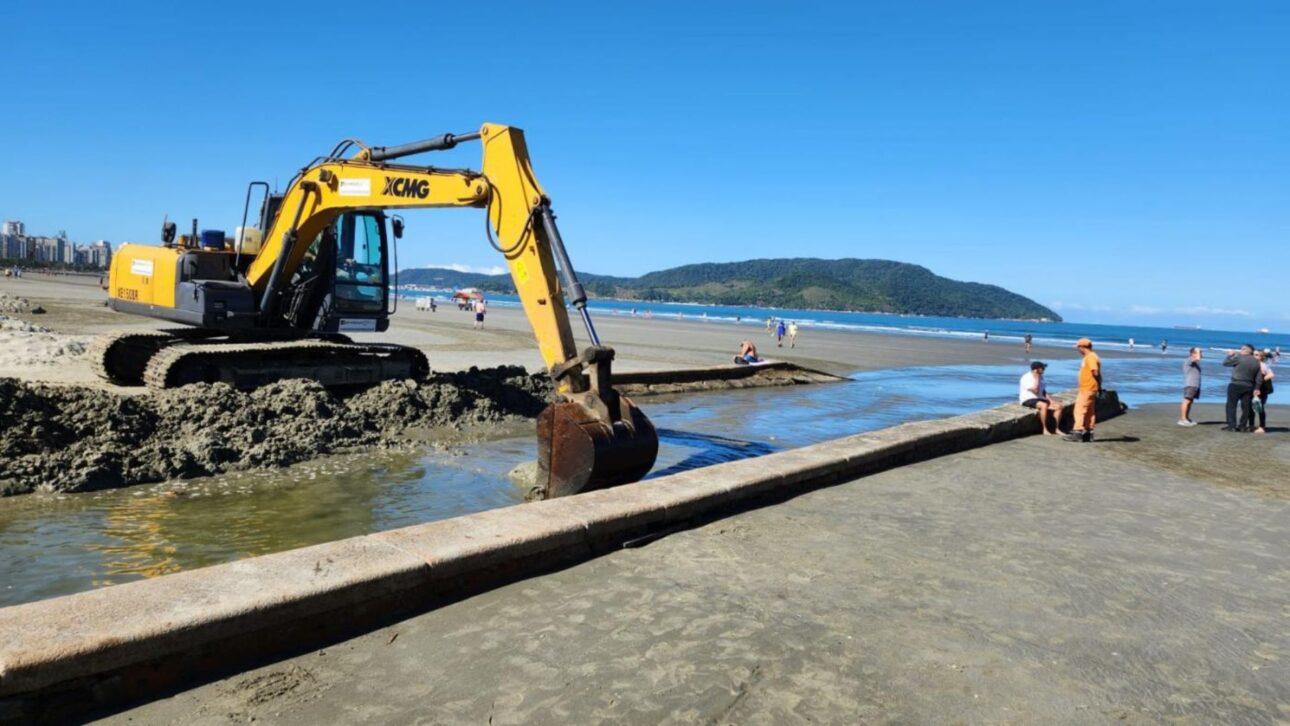
To address this issue, the city government has deployed hydraulic excavators, loaders, backhoe excavators, dump trucks, and other equipment on the beach, along with drainage teams to carry out operations. The duration of the work depends on the intensity of the giant waves and the volume of sediment accumulation, typically lasting one to two weeks, with support from the municipal administration and the municipal services company Prodesan.
Rodrigo Paixão, the district mayor for the coastal and intermediate zones, stated that the removal work is not limited to clearing the most severely affected channels; it also involves returning the removed sand to its original locations, especially on beach sections that have lost sand due to the giant waves. This dynamic creates a recurring cycle of sand removal, transport, and backfill with each new change in sea conditions, requiring Santos to manage the continuous sediment movement between the beach and drainage structures.
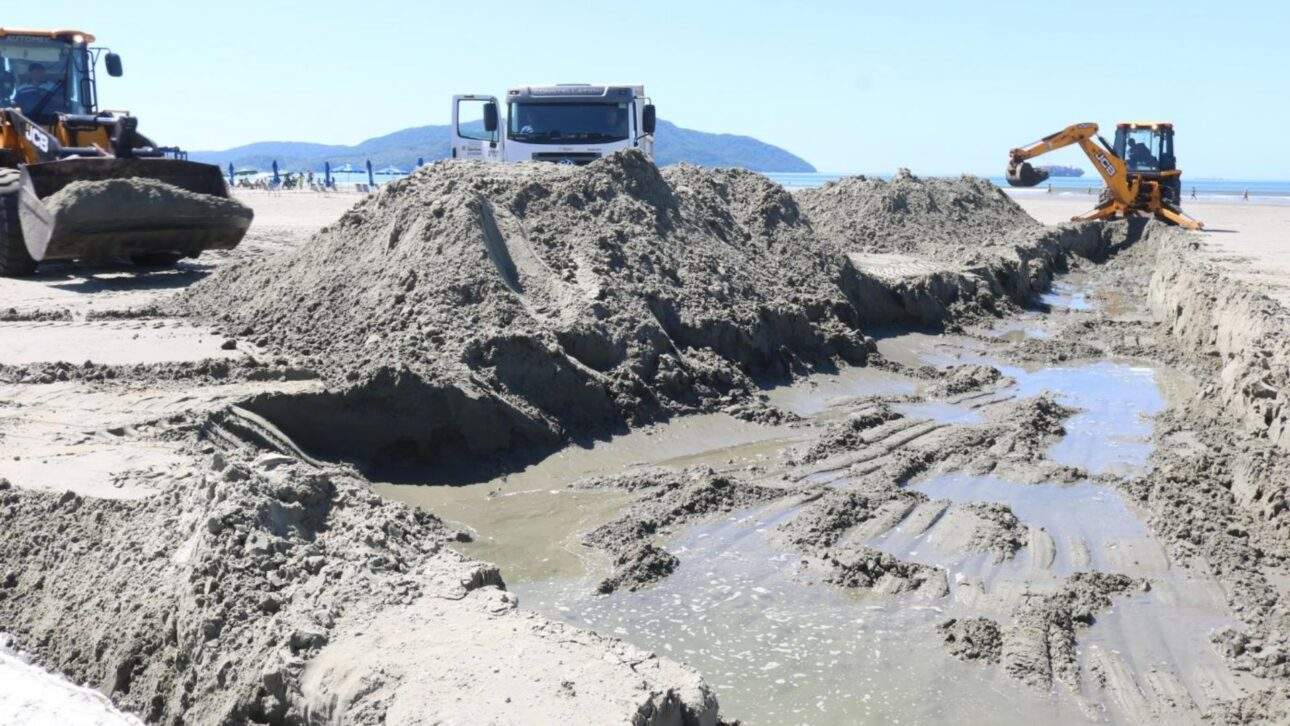
The sand cleared from the clogged channels is transported along the beach and repositioned in areas that have lost material. At the same time, the channels must remain unobstructed to ensure rainwater drainage and reduce the risk of flooding on nearby roads.
Operating heavy machinery on the beach requires a balance between agility and safety to avoid getting stuck in the sand or posing risks to beachgoers. During operations, teams guide the public and plan truck routes. Paixão noted that heavy-laden trucks risk sinking into the sand and cannot travel at low speeds, necessitating personnel to clear paths to prevent accidents.
The municipal administration has observed changes in the behavior patterns of giant waves, which now occur not only in autumn and winter but also frequently in summer, reducing the predictability of maintenance operations. Paixão stated that a decade ago, giant waves only occurred in winter and autumn, but now they are also common in summer.
Lauro Aguiar, an engineer involved in managing the drainage contract, said that directly attributing the changes in giant wave patterns to climate change requires broader and deeper analysis. Without confirmation, the city government operates based on observed effects, including channel siltation, sand loss, and seawater intrusion.
To mitigate the impact of giant waves, the city government is evaluating preventive measures, including wave barriers, check valves, expanded geotextile bags, and reinforcing stone embankments along certain coastal sections. These proposals are part of the municipal plan ProCanais, which aims to restore, maintain, and modernize Santos' urban channels. Débora Mandaji, a biologist and drainage contract manager for the regional government secretariat, stated that the primary focus is maintaining water discharge, as sand accumulation reduces channel efficiency and increases the risk of flooding.
Débora described this as "a struggle with nature": sand cleared from channel 3 is transported to channel 5, and the next giant wave may bring the sand back from channel 5 to channel 3.
This article is compiled by Wedoany. All AI citations must indicate the source as "Wedoany". If there is any infringement or other issues, please notify us promptly, and we will modify or delete it accordingly. Email: news@wedoany.com
Related Products

RISITA explosion-proof air conditioning
Guangdong RISITA Air Conditioning Equipment Co.,Ltd.

Bidirectional Metal Hard Sealed Seawater Butterfly Valve
Henan Quanshun Flow Control Science & Technology Co., Ltd.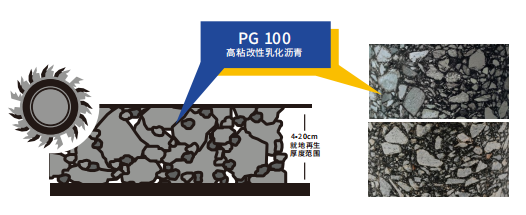
High-toughness in-Situ Cold Recycling Technology for Original Structural Layers
Central Fortune Creation Technology Group Co., Ltd.
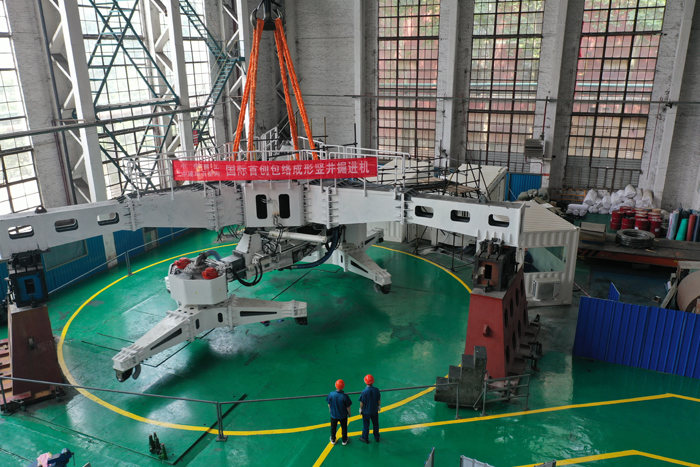
CITIC Heavy Industries Tunneling Equipment Tunnel Engineering Shield Machine
CITIC Heavy Industries Co., Ltd.
West China Xiamen Hospital of Sichuan University
Wuhan Huakang Century Clean Technology Co., Ltd.
Ultra-Pure Ferrite Stainless Steel Products
Gansu JISCO Group Hongxing Iron and Steel Co., Ltd.
ERW Welded Pipe (Black Pipe and Hot-dip Galvanized Steel Pipe)
Handan Zhengda Steel Pipe Co., Ltd.