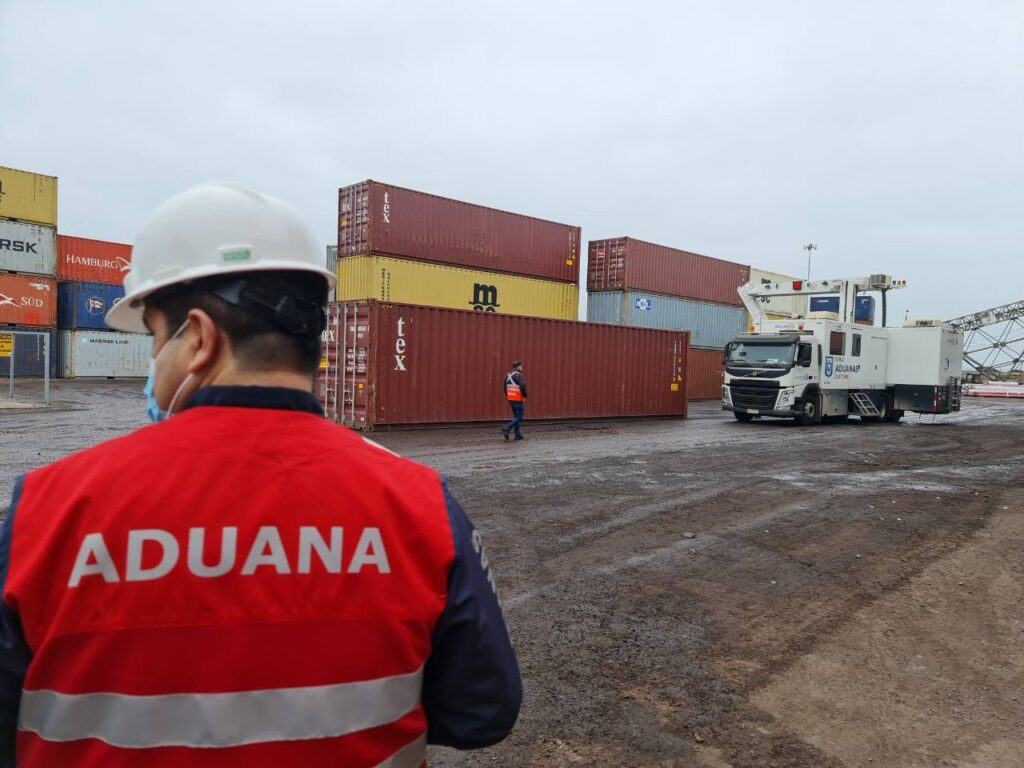
China's cumulative red mud stockpile exceeds 1.6 billion tons by end of 2025, utilization rate at 14%
en.Wedoany.com Reported - Red mud is a bulk industrial solid waste discharged during the alumina production process. For every ton of alumina produced, over 1.1 tons of red mud is generated. Since becoming the world's largest primary aluminum producer in 2001, China's aluminum output has consistently ranked first globally, with the annual addition of red mud exceeding 100 million tons for many consecutive years. Experts predict that by the end of 2025, the cumulative stockpile of red mud nationwide will surpass 1.6 billion tons. In major aluminum-producing regions such as Shanxi, Shandong, Henan, and Guangxi, red mud management has become an unavoidable challenge for urban industrial development and ecological protection.
Red mud is brick-red in color, containing a large amount of iron oxide, as well as alumina, silica, calcium oxide, and other components. Due to differences in bauxite sources and production processes, the chemical composition of red mud varies significantly and may also contain trace elements such as potassium, chromium, vanadium, and arsenic, as well as radioactive elements. Untreated red mud contains large amounts of free and bound alkali, with a pH value generally ranging from 10 to 12.5, classifying it as a strongly alkaline general solid waste. Research data shows that cement products with a red mud doping amount exceeding 15% experience a 30% decrease in 28-day compressive strength, and a fivefold increase in surface spalling rate after freeze-thaw cycles. Existing dealkalization processes are cumbersome, consume large amounts of reagents, and are costly, while the neutralization process may also activate harmful elements such as arsenic and lead.
Shanxi Zhongke Hongyuan Environmental Protection Technology Co., Ltd., in collaboration with a research team from the University of Science and Technology Beijing, has adopted a multi-solid-waste synergistic utilization mechanism to produce road base materials using solid wastes such as red mud, fly ash, and coal gangue. Ren Xiaoming, the company's general manager, explained that the key to multi-solid-waste synergy lies in precise proportioning. The team abandoned the industry-standard drying method and adopted a wet red mud mixing approach: first, the moisture content of the materials is measured, then the materials are compounded based on the volume ratio of each component. After aging pretreatment to ensure uniform moisture distribution, the mixture undergoes secondary crushing and screening. During the engineering processing stage, the team optimized the equipment multiple times, controlling the proportioning accuracy of red mud and fly ash within 5%. This technology has been implemented in Yangquan, Shanxi, where a production line with an hourly capacity of 300 to 500 tons of road base materials and a fully automated production line with an annual capacity of 300,000 tons of solid-waste-based unfired building blocks have been established. It is estimated that once the project is fully operational, the annual comprehensive utilization of solid wastes such as red mud, coal gangue, and CFB fly ash could reach 2 million tons.
In contrast to the "addition" approach of multi-solid-waste synergy, Shanxi Huaxing Aluminum Co., Ltd., a subsidiary of Aluminum Corporation of China, has explored a "subtraction" approach for iron extraction from red mud. Wen Yaping, head of the company's Red Mud Comprehensive Utilization Technology Section, stated that to address the low separation efficiency of existing equipment, the company implemented a three-stage upgrade of the iron extraction production process, focusing on optimizing core equipment such as magnetic separators and hydrocyclones. By using rotational centrifugal force to separate coarse and fine particles and selecting large-particle materials for magnetic separation, the iron ore grade has been increased by over 10%, and production output has nearly doubled.
Zeng Qingmeng, executive deputy director of the Red Mud Comprehensive Utilization Promotion Office of the China Nonferrous Metals Industry Association, stated that the industry has proposed a systematic approach of "source reduction, process control, and end-of-pipe resource utilization." According to reports, the "Bauxite Bayer Process Red Mud Source Reduction Technology and Large-Scale Demonstration" project, jointly promoted by Central South University and multiple research institutions, has achieved a reduction of over 30% in discharged red mud. Guangxi Tiandong Jinxin Chemical Co., Ltd. has added an oxidizing agent to the bauxite digestion system to promote the separation of iron minerals from aluminum-silicon minerals, facilitating downstream iron extraction from red mud. Yunnan Wenshan Aluminum Co., Ltd. has developed a model of "enhanced digestion source reduction—multi-component recovery of sodium, iron, aluminum, and calcium—building materials terminal disposal," achieving a comprehensive red mud utilization rate far exceeding the industry average.
China's comprehensive red mud utilization rate has risen from 5.5% in 2021 to 14% in 2025. In 2024, six departments including the Ministry of Industry and Information Technology jointly issued the "Action Plan for Red Mud Comprehensive Utilization," clearly setting a target of achieving a 15% comprehensive utilization rate for new red mud by 2027 and 25% by 2030. Zeng Qingmeng stated that to achieve this goal, it is necessary to further leverage the roles of government, industry, academia, and research institutions, establish a cross-departmental and cross-regional collaborative governance platform, and promote the formation of normalized docking mechanisms between aluminum enterprises and industries such as building materials, metallurgy, and environmental protection. In terms of policy implementation, it is essential to adhere to the principle of "one enterprise, one policy, tailored to local conditions," develop personalized plans based on regional circumstances, and implement the primary responsibility of alumina enterprises for red mud management.
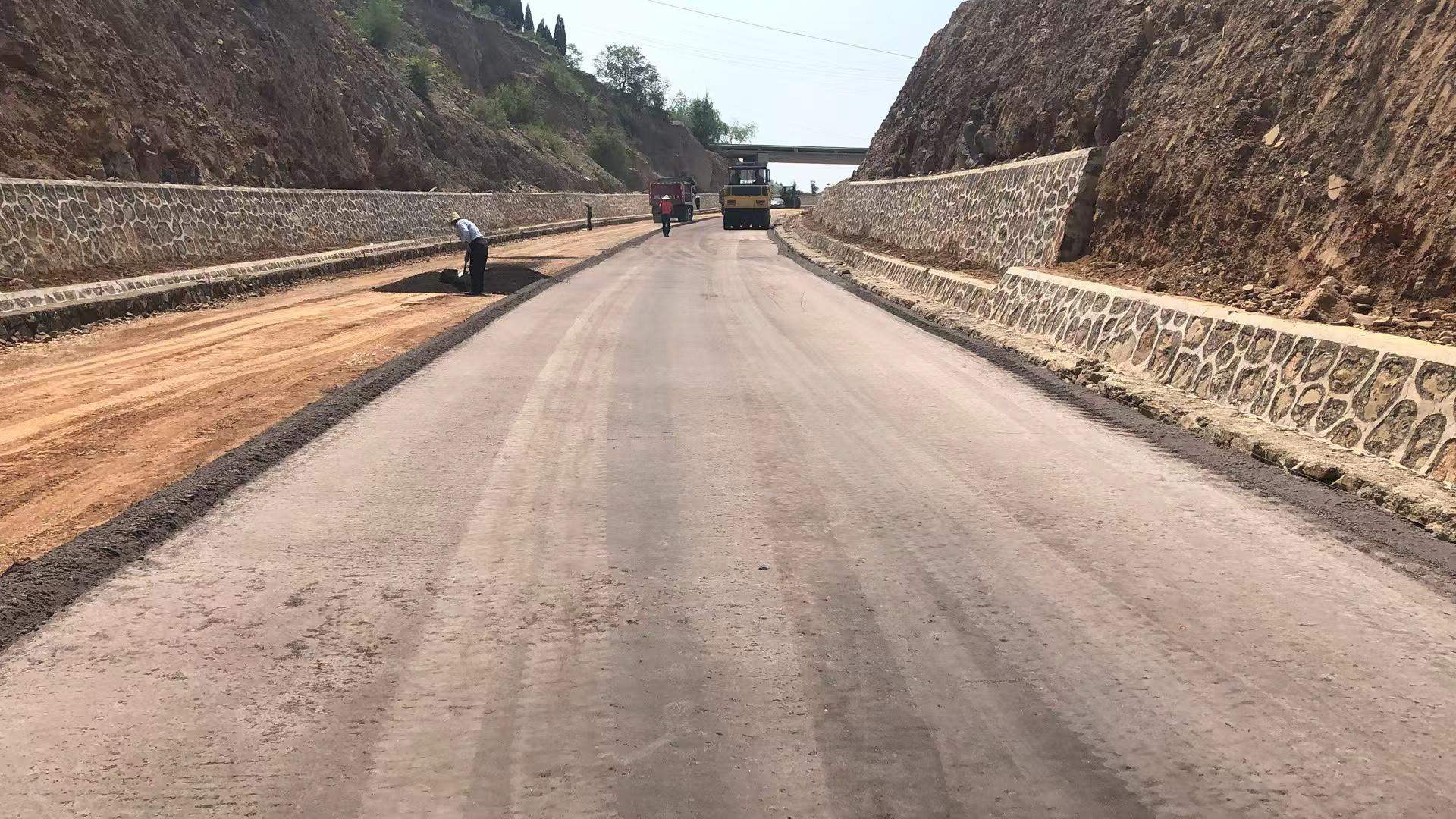
Liu Xiaoming, a professor at the School of Metallurgical and Ecological Engineering of the University of Science and Technology Beijing, introduced that domestic red mud disposal has formed five mainstream directions: powder materials, element extraction, cementitious materials, road materials, and building ceramic materials. However, products utilizing red mud face challenges such as lagging standards and difficulties in market promotion. Ren Xiaoming stated that a national highway section built by his team in 2019 using red mud recycled materials met quality standards, but due to the lack of industry standards, it could only participate in projects as an experimental or demonstration section, limiting the promotion and application of the products.
This article is compiled by Wedoany. All AI citations must indicate the source as "Wedoany". If there is any infringement or other issues, please notify us promptly, and we will modify or delete it accordingly. Email: news@wedoany.com
Related Products


Inductive Power Harvesting Self-Powered Device - Safuneng
SELF ENERGY TECHNOLOGY (SHENZHEN) CO., LTD.
MESS8201-2507/5015-BN Prefabricated Liquid-cooled Energy Storage Battery Container
Xuchang Xuji Electric Science Energy Storage Technology Co., Ltd.
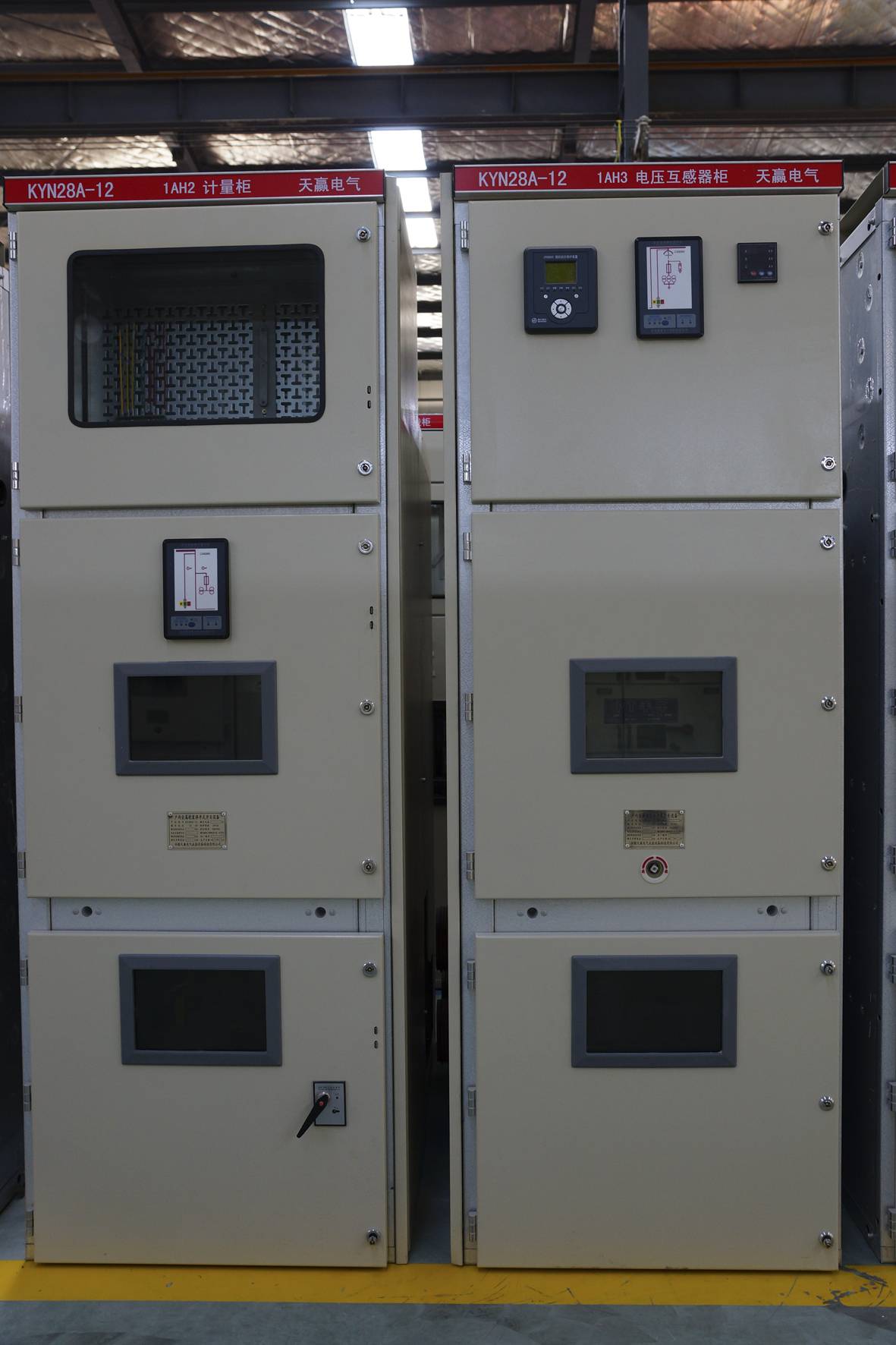
KYN28 - High Voltage Switchgear
Anhui Tianying Electrical Equipment Manufacturing Co., Ltd.
714CD Series C-Band Weather Radar
Chengdu Zhongdian Jinjiang Information Industry Co., Ltd.
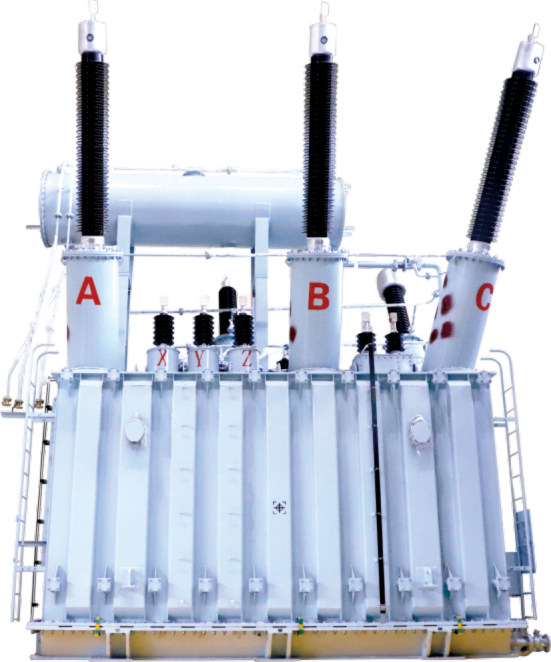
Smart Photovoltaic Prefabricated Substation
Shanghai Jinyou Jinhong Intelligent Electric Co., Ltd.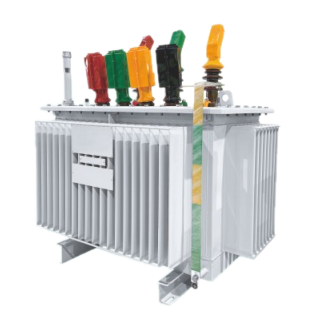
IS(B)□-M·RL Series Oil-immersed 3D Transformer (Planar / 3D Wound Core)
Guangdong Kehua Electric Power Technology Co., Ltd.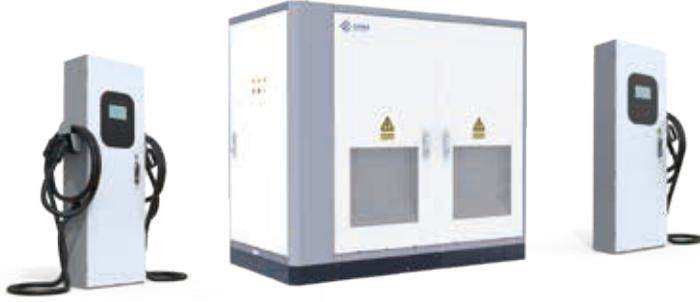

Off-Grid Fuel Cell Supercharging Station (180kW Configuration)
Shanghai REFIRE Group Limited
Industrial and Commercial Point-Type Gas Detector
Jinan Benan Technology Development Co., Ltd.