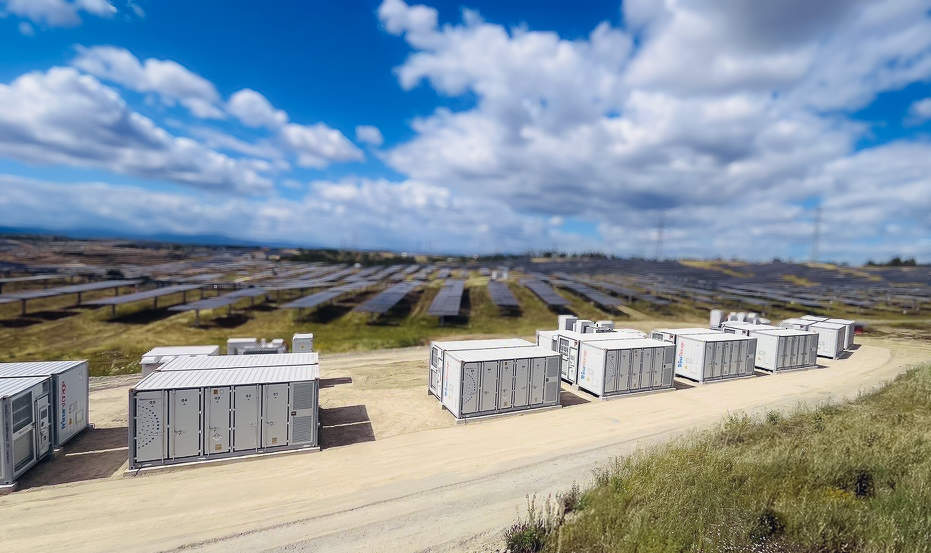
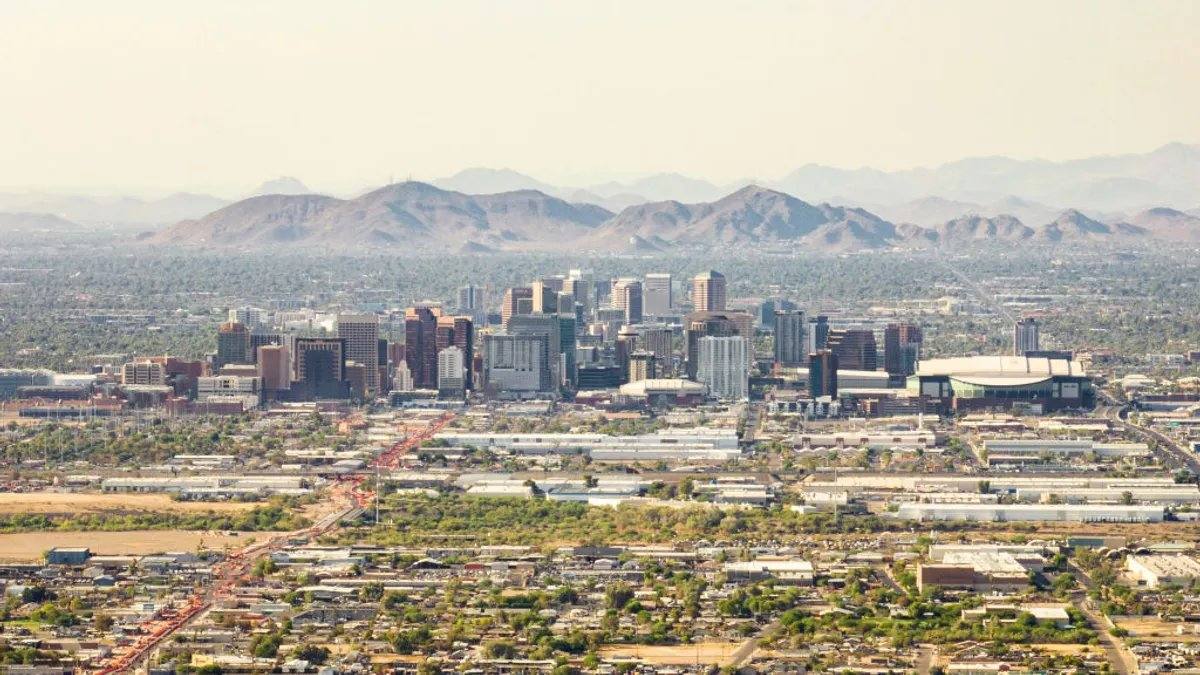
en.Wedoany.com Reported - Guodian Power's Hudong Company 2×1000MW thermal power project is racing toward its year-end commissioning target. Thousands of construction workers are intensifying efforts in the boiler house, central control building, and between the indirect air cooling towers. This power station serves as a supporting power source for the national "West-to-East Power Transmission" strategy's Datong-Huailai-Tianjin North-Tianjin South 1000kV ultra-high voltage (UHV) project. The project adopts an integrated layout of coal power and new energy, promoting the transformation of traditional thermal power into a supporting power source for the new power system.
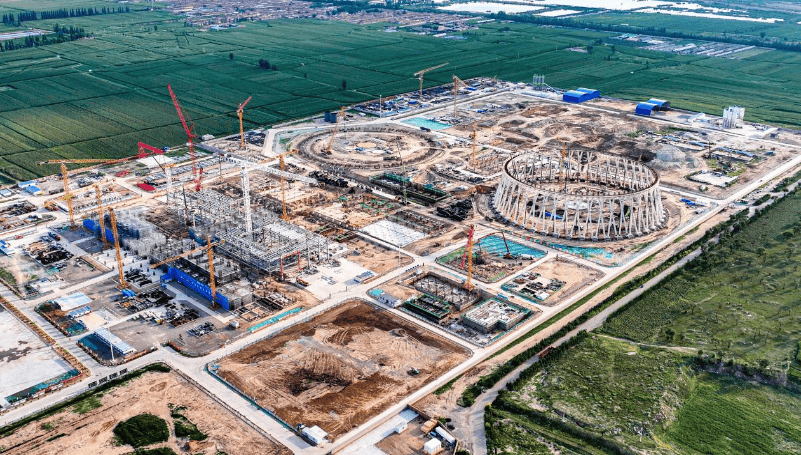
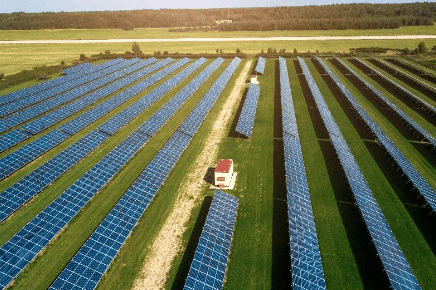
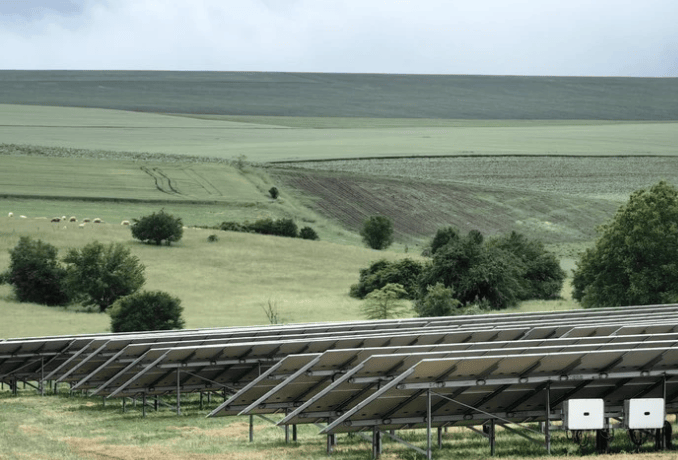
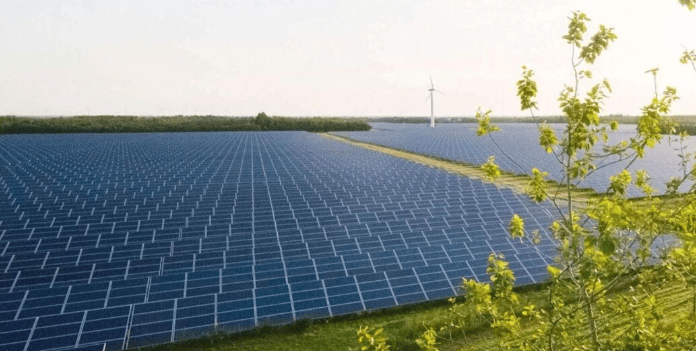
The project initiated the approval process for the Datong Hudong 2×1000MW thermal power project in 2009, with the original intention of achieving large capacity, high energy efficiency, and low emission upgrades through the construction of two new 1000MW units. The project underwent multiple policy adjustments and approval changes. After being designated as a UHV supporting power source in 2016, it faced a three-year suspension due to the coal power construction moratorium policy. In 2023, the project received investment approval from the National Energy Group and obtained land use approval for construction, with supporting new energy projects simultaneously initiated; the main powerhouse excavation began in April 2024. Guodian Power's Hudong Company has moved beyond a single thermal power pathway, creating the Datong Hudong new energy base project with a total scale of 2000MW. In March of this year, it secured the first batch of 1500MW development and construction targets, including 800MW of wind power and 700MW of solar photovoltaic (PV) power, distributed across four counties and districts in Datong City. The project adopts a wind-solar complementary development model and is equipped with a 2-hour energy storage system configured at 10% of the installed capacity. Power will be collected via multiple 35kV lines to five newly planned 220kV step-up substations, ultimately achieving grid connection and consumption within the provincial network.
In addressing the challenge of water scarcity in northern regions, the project uses reclaimed municipal wastewater for all production water needs. For desulfurization wastewater treatment, it employs an "integrated pretreatment + low-temperature flue gas waste heat concentration + high-temperature flue gas drying and solidification" process, utilizing flue gas waste heat to dry and solidify high-concentration wastewater, establishing a full-chain water resource recycling system. In terms of peak-shaving flexibility design, the project's main unit peak-shaving load rate target is set at 20%, with a variable load rate of no less than 1%/minute when the load is between 30% and 50%, and no less than 2.2%/minute when the load is between 50% and 100%, meeting the requirements of the new generation of coal power for rapid load change rates. Through design optimization, the unit's standard coal consumption for pure condensing power generation reaches 263.4 g/kWh, with an average annual plant thermal efficiency of 59.82%, and a rated heating extraction capacity of 1000 tons/hour per unit.
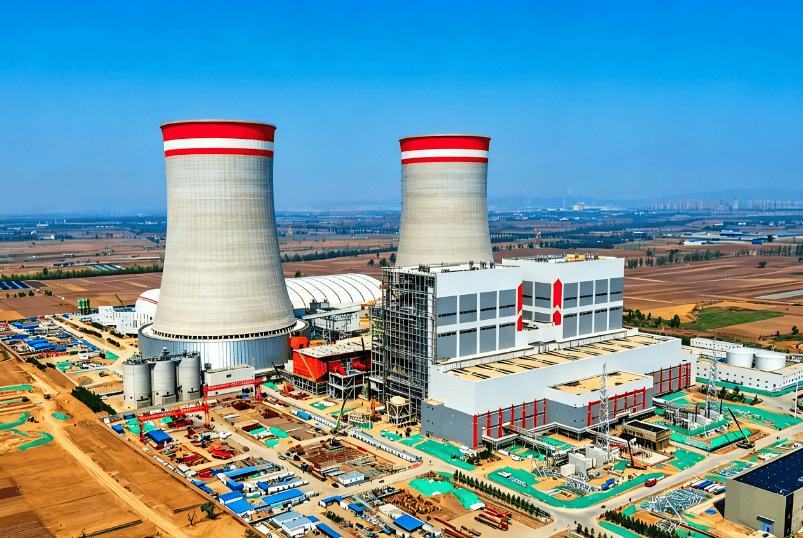
Upon commissioning, the project will provide central heating for a 28 million square meter area in Datong City and have an industrial steam output capacity of 200 tons per hour, capable of replacing self-owned small boilers in the high-tech industrial park. Solid waste such as fly ash generated during production will be processed through secondary manufacturing for use as building materials. During the peak construction period, 70% of the construction workers came from surrounding villages and towns, and the project is expected to provide hundreds of jobs after operation.
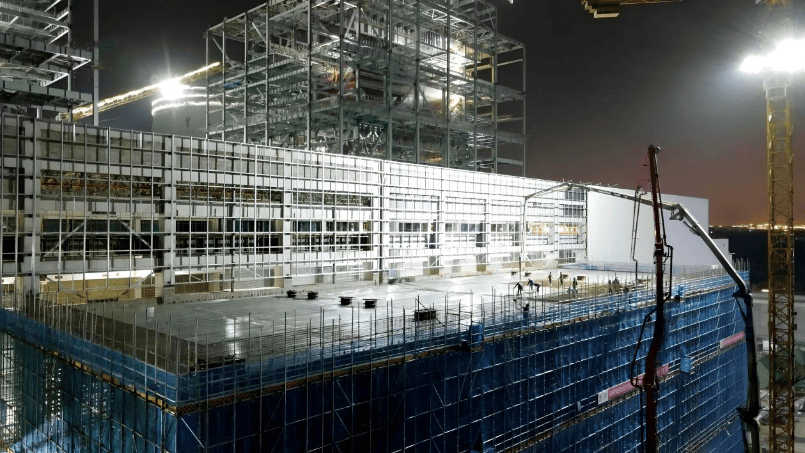
This project covers the synergy between thermal power and new energy, deep peak shaving, reclaimed municipal wastewater utilization, comprehensive solid waste utilization, and central heating. It serves as a supporting power source for the new energy base in the coal mining subsidence area of northern Shanxi.
This article is compiled by Wedoany. All AI citations must indicate the source as "Wedoany". If there is any infringement or other issues, please notify us promptly, and we will modify or delete it accordingly. Email: news@wedoany.com