Brazil's Construction Industry Advances Industrialization: 3D Printing and Prefabricated Homes on the Rise
en.Wedoany.com Reported - Brazil's construction industry is shifting from traditional on-site methods to industrialized production, with truck-delivered finished homes, 3D-printed walls, factory-made modules, and bricklaying robots beginning to challenge the old model. The core promise is faster construction, less waste, and fewer on-site adjustments.
For a decade, the method of assembling buildings piece by piece on-site has remained dominant, but advances in industrialized construction are changing this landscape. In this system, most of a home or building is produced in a controlled factory environment, with walls, bathrooms, kitchens, metal structures, entire modules, or even complete homes ready for installation upon delivery. This shift is seen as an alternative to shorten construction timelines, reduce waste, and address the shortage of skilled labor.
Modular and prefabricated homes are prominent examples of this transformation. Companies can produce complete modules in factories, including integrated electrical systems, plumbing, finishes, doors, windows, bathrooms, and kitchens, then transport the structures by truck to the final site for assembly. For consumers, this results in less construction waste, fewer budget surprises, and potentially shortened timelines to days or weeks.
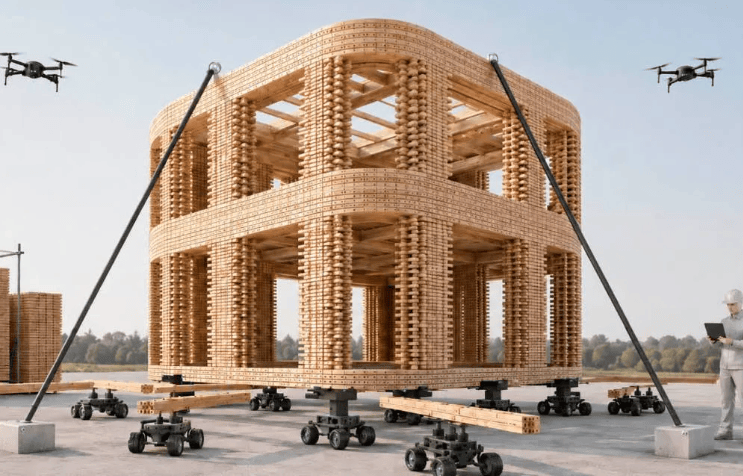
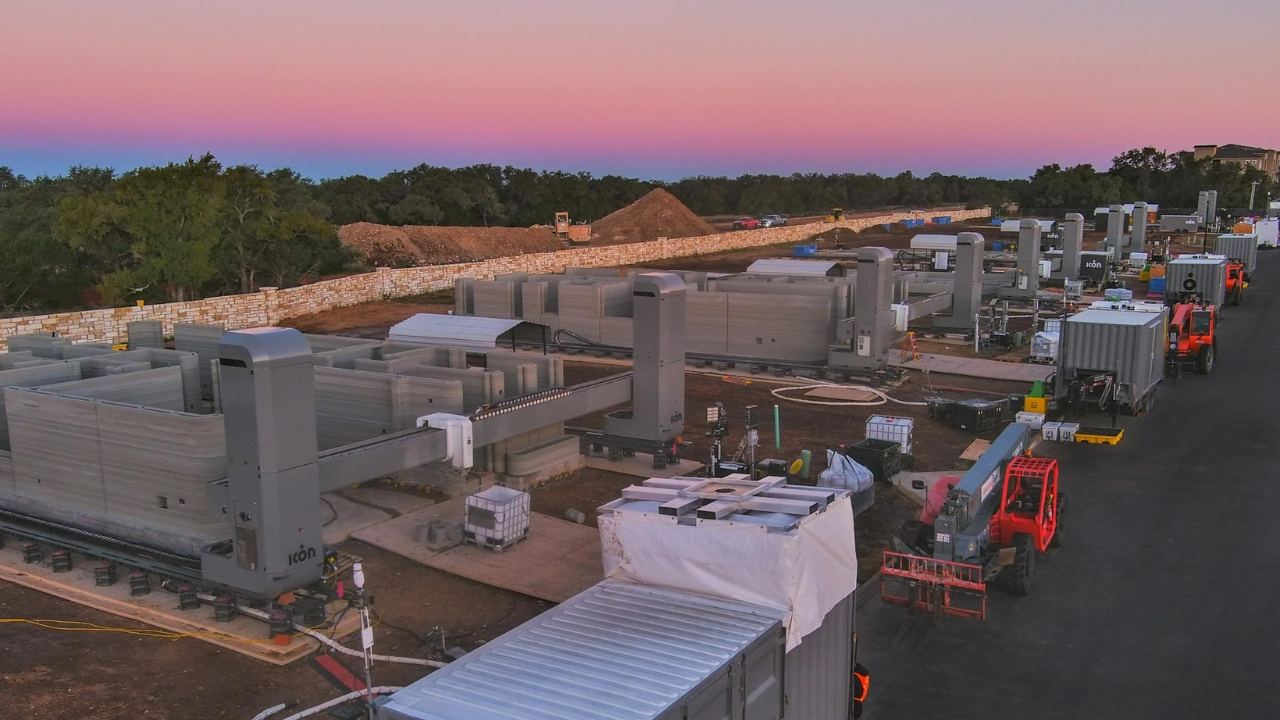
Concrete 3D printing technology is another frontier of this revolution, using large machines to deposit materials layer by layer to form walls. In the United States, ICON, in partnership with Lennar and BIG, developed a community of 100 3D-printed homes called Genesis Collection at Wolf Ranch in Georgetown, Texas. In Chile, the walls of an experimental house were printed in approximately 29 hours before final assembly. This data indicates that repetitive and labor-intensive parts of construction are increasingly becoming automated.
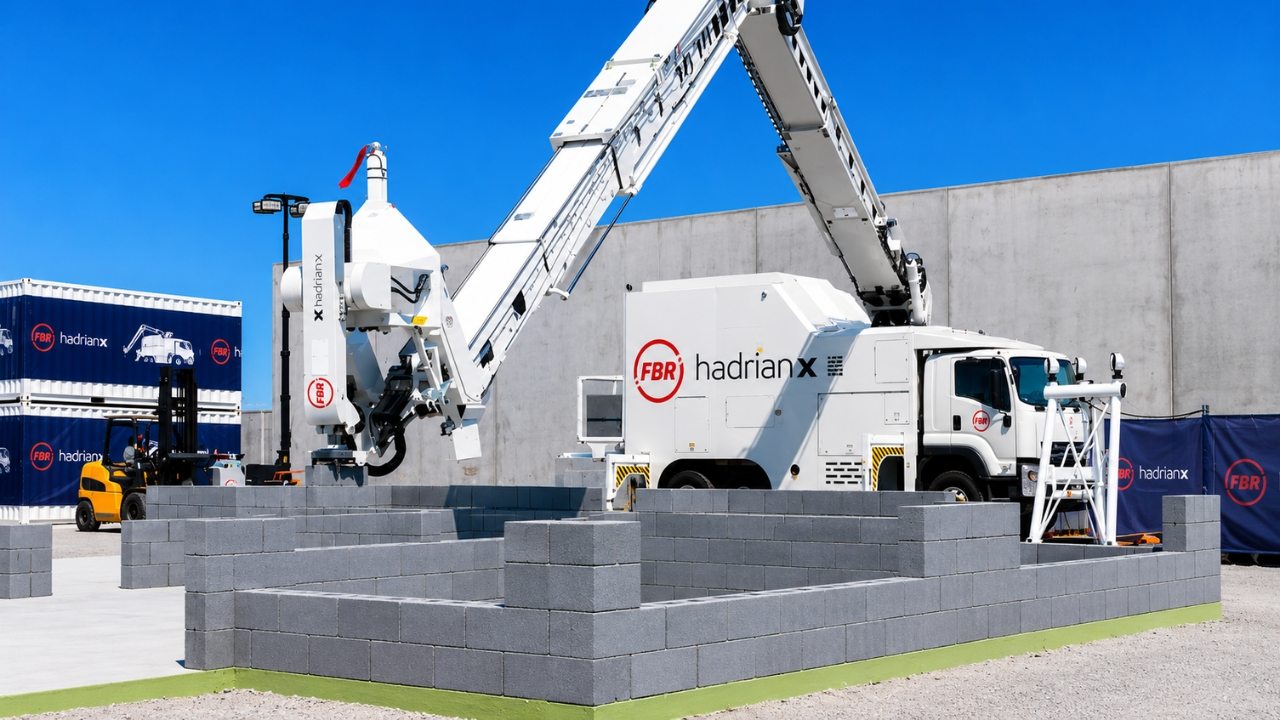
Advances in bricklaying robots are equally noteworthy. The Hadrian X robot, developed by Australian company FBR, is designed for high-speed block laying, demonstrating how automation is reaching tasks once thought to require human hands. These robots can perform standardized tasks for extended periods, reducing errors and accelerating processes, potentially bringing a paradigm shift to an industry known for delays and waste.
The advantages of industrialized construction lie not only in speed but also in predictability. When homes are produced in factories, materials, labor, finishes, timelines, and quality are easier to control, and material waste—such as cement, wood, and broken blocks—is significantly reduced due to precise calculations. This relates to sustainability, productivity, and scale.
This transformation still faces obstacles, including technical specifications, financing, transportation, consumer acceptance, adaptability to different terrains, and high initial costs. Cultural resistance also exists, as many people still associate good homes with traditional construction methods. Despite the challenges, companies, universities, and governments are beginning to test industrial solutions for housing, signaling to the industry that construction can no longer cling to old models. The homes of the future may no longer begin with bricks and cement on a construction site, but with machines in a factory, with the land serving as the final assembly point.
This article is compiled by Wedoany. All AI citations must indicate the source as "Wedoany". If there is any infringement or other issues, please notify us promptly, and we will modify or delete it accordingly. Email: news@wedoany.com
Related Products
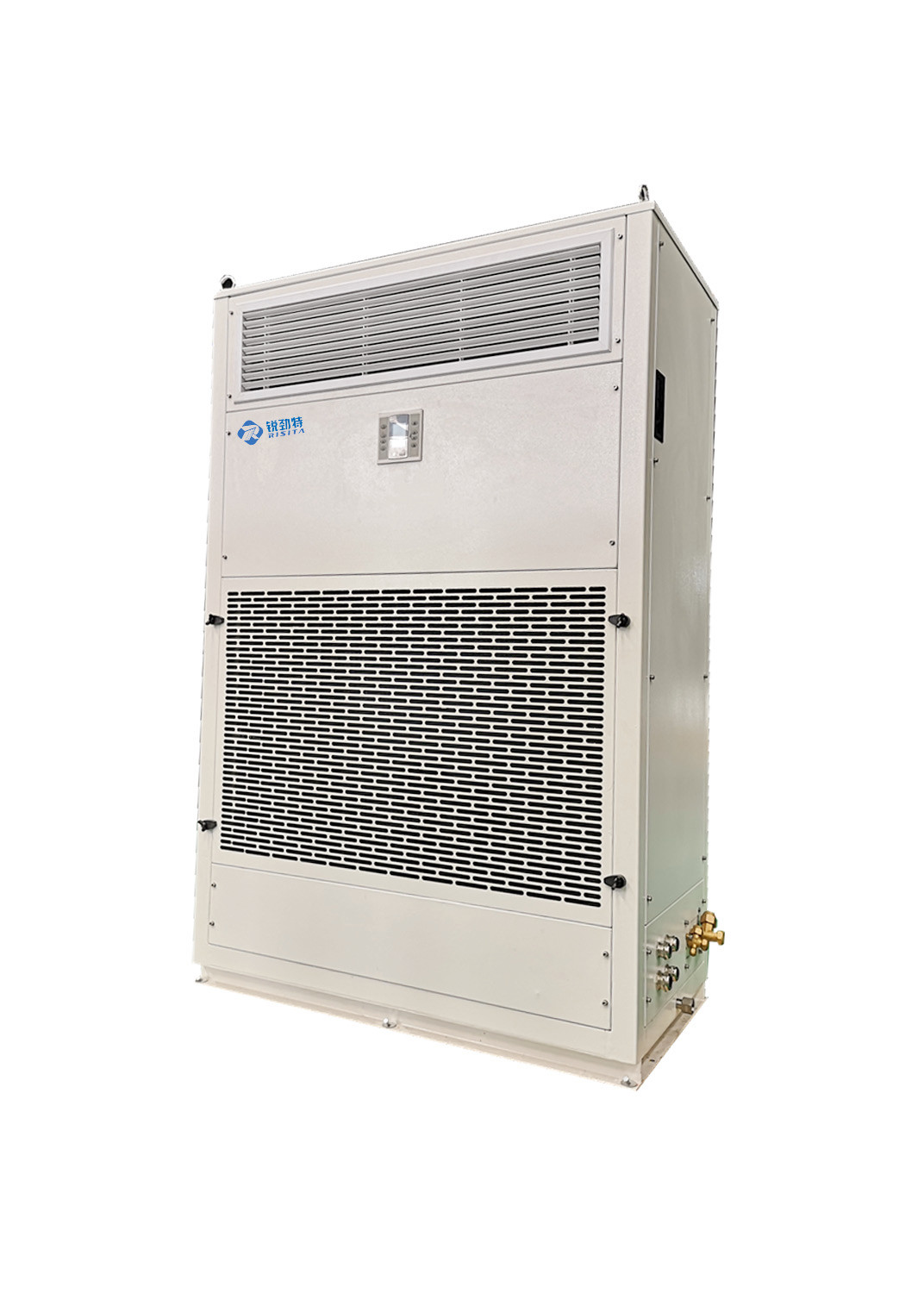

RISITA explosion-proof air conditioning
Guangdong RISITA Air Conditioning Equipment Co.,Ltd.
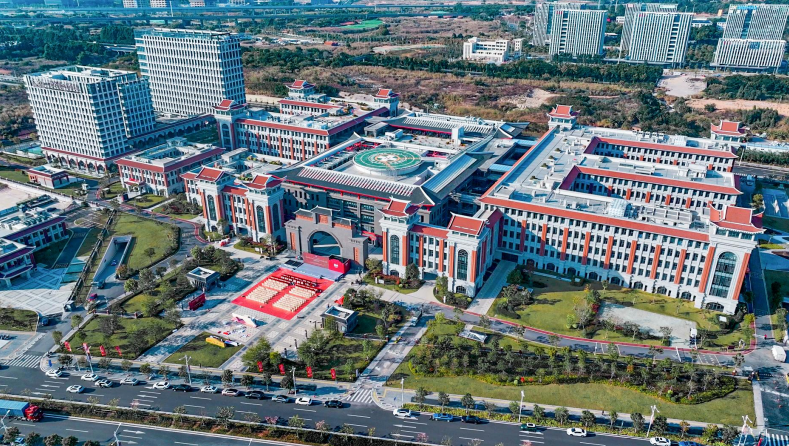
West China Xiamen Hospital of Sichuan University
Wuhan Huakang Century Clean Technology Co., Ltd.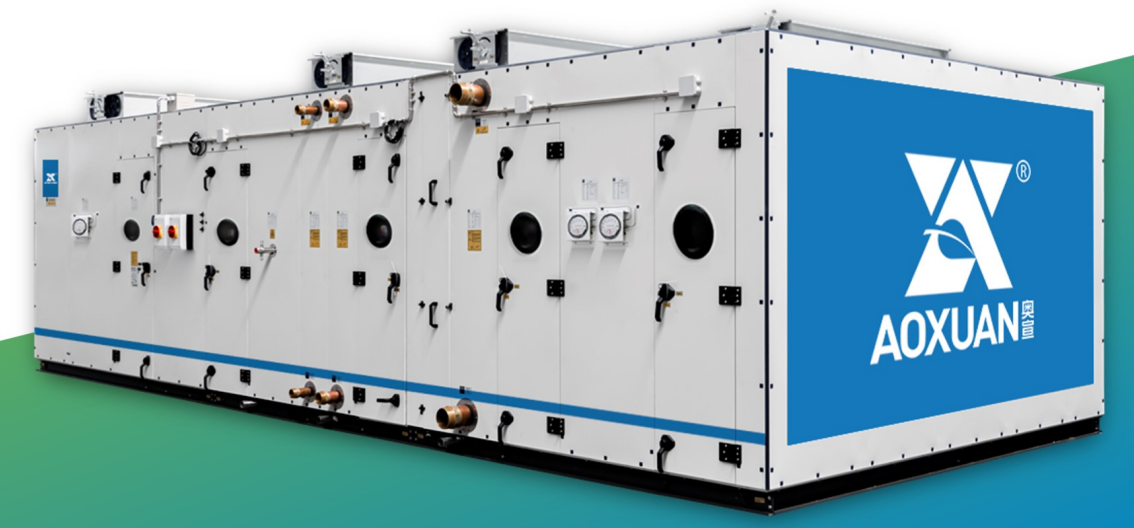
Aoxuan Intelligent Precision Air Conditioning Unit
SHANGHAI AOXUAN PURIFICATION TECHNOLOGY CO., LTD.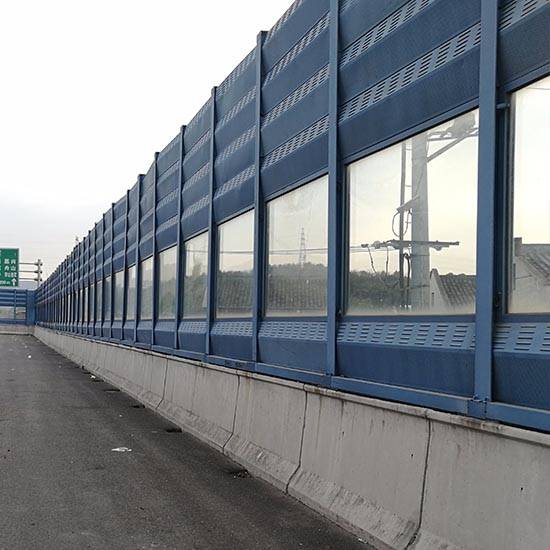
Metal sound barriers that can reduce the transmission of road noise
Hebei Jinbiao Construction Materials Tech Corp., Ltd.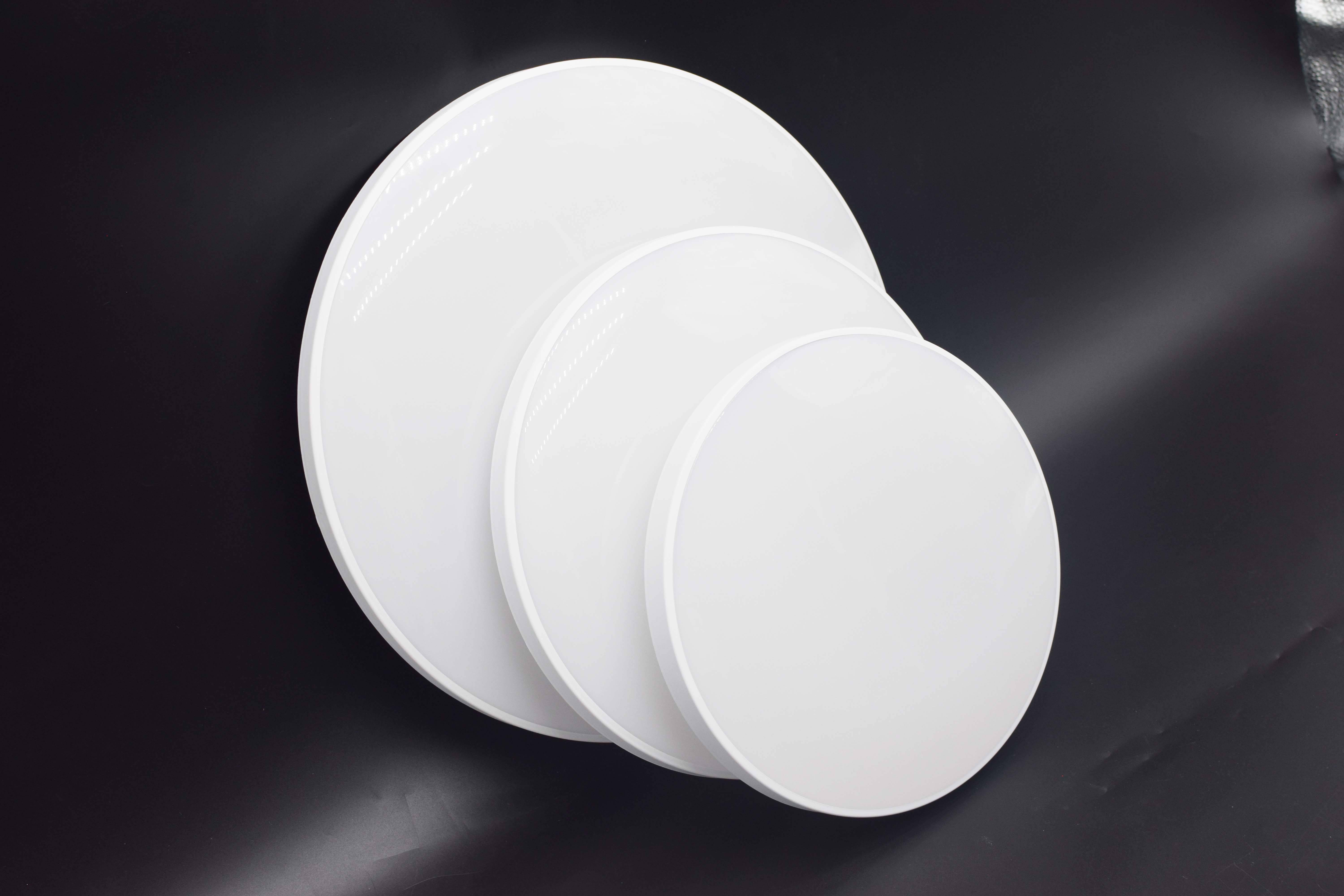
Ceiling light | led Ceiling Light | LED Indoor light | LED Ceiling lighting
Queendom Group Technology Co., Ltd.
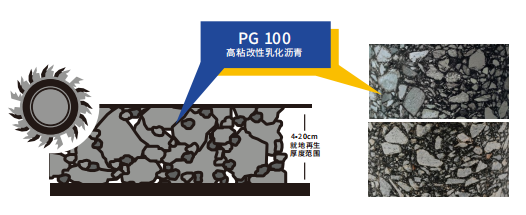
High-toughness in-Situ Cold Recycling Technology for Original Structural Layers
Central Fortune Creation Technology Group Co., Ltd.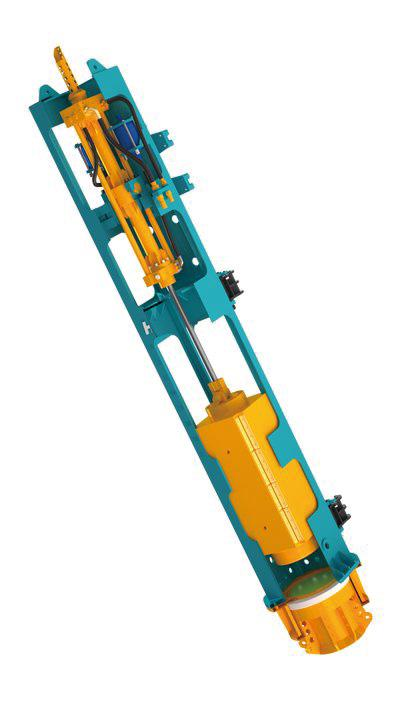
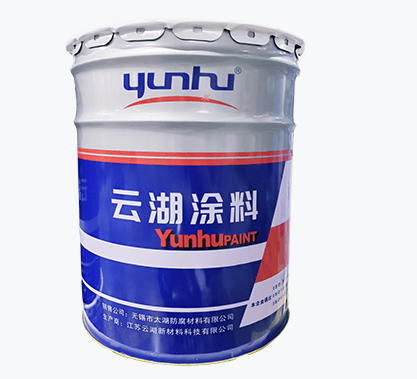
YHTank8400N Solvent-Free Liquid Epoxy Coating
JIANGSU YUNHU NEW MATERIAL TECHNOLOGY CO., LTD.
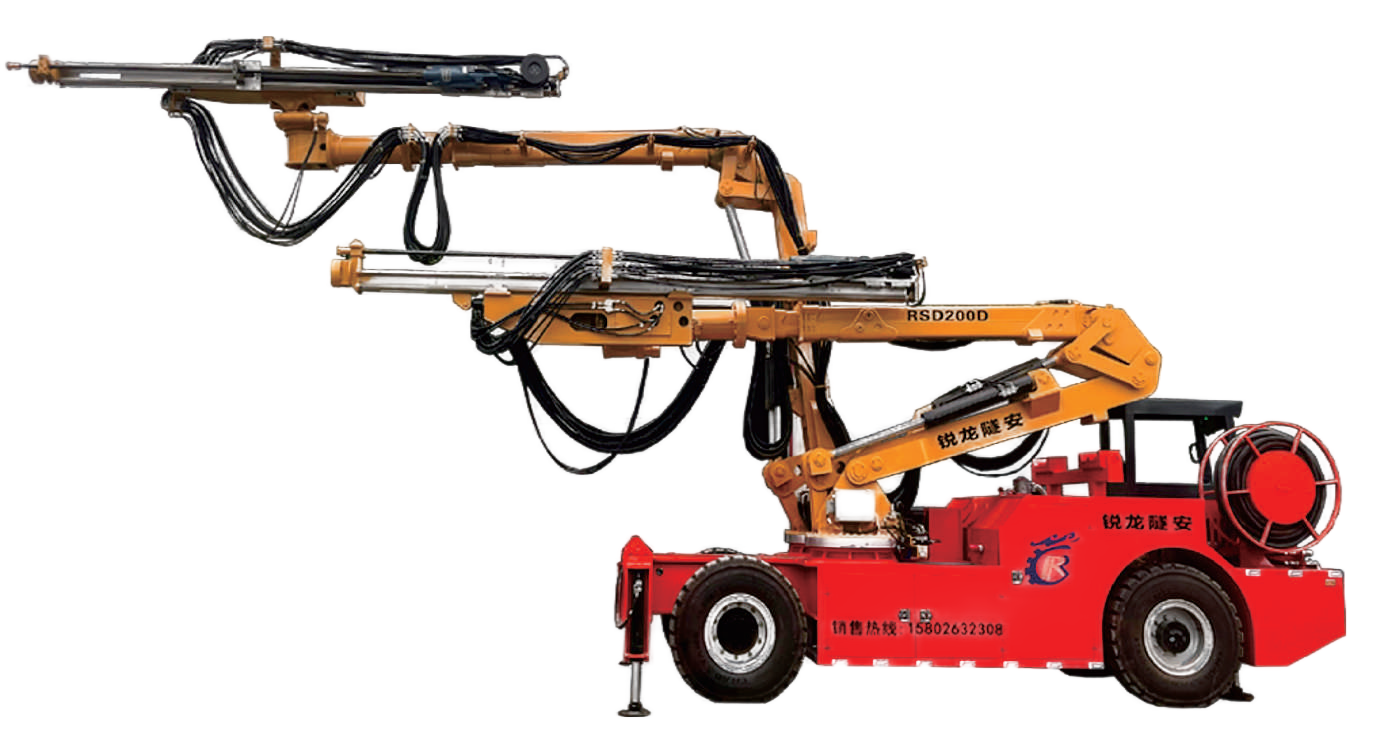
Dual-curved Arm Rock Drilling Trolley RSD200D
Chengdu Ruilong Machinery Manufacturing Co., Ltd.