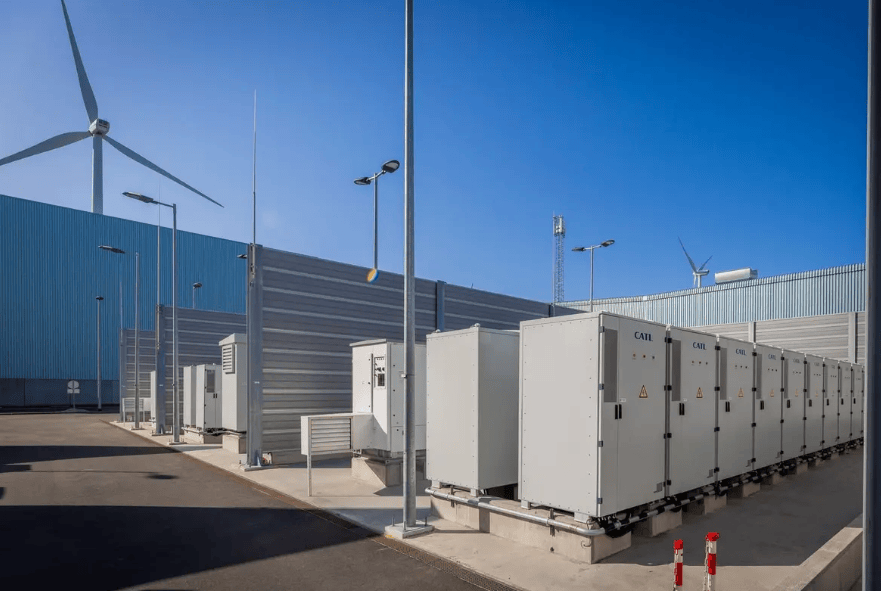
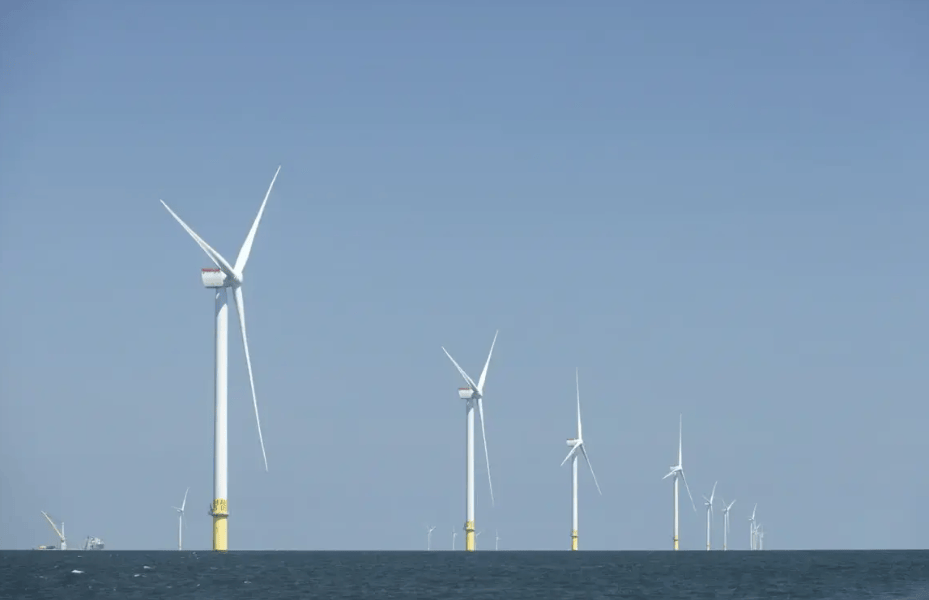
Germany's RWE commissions new wind turbines in the Rhenish lignite mining area
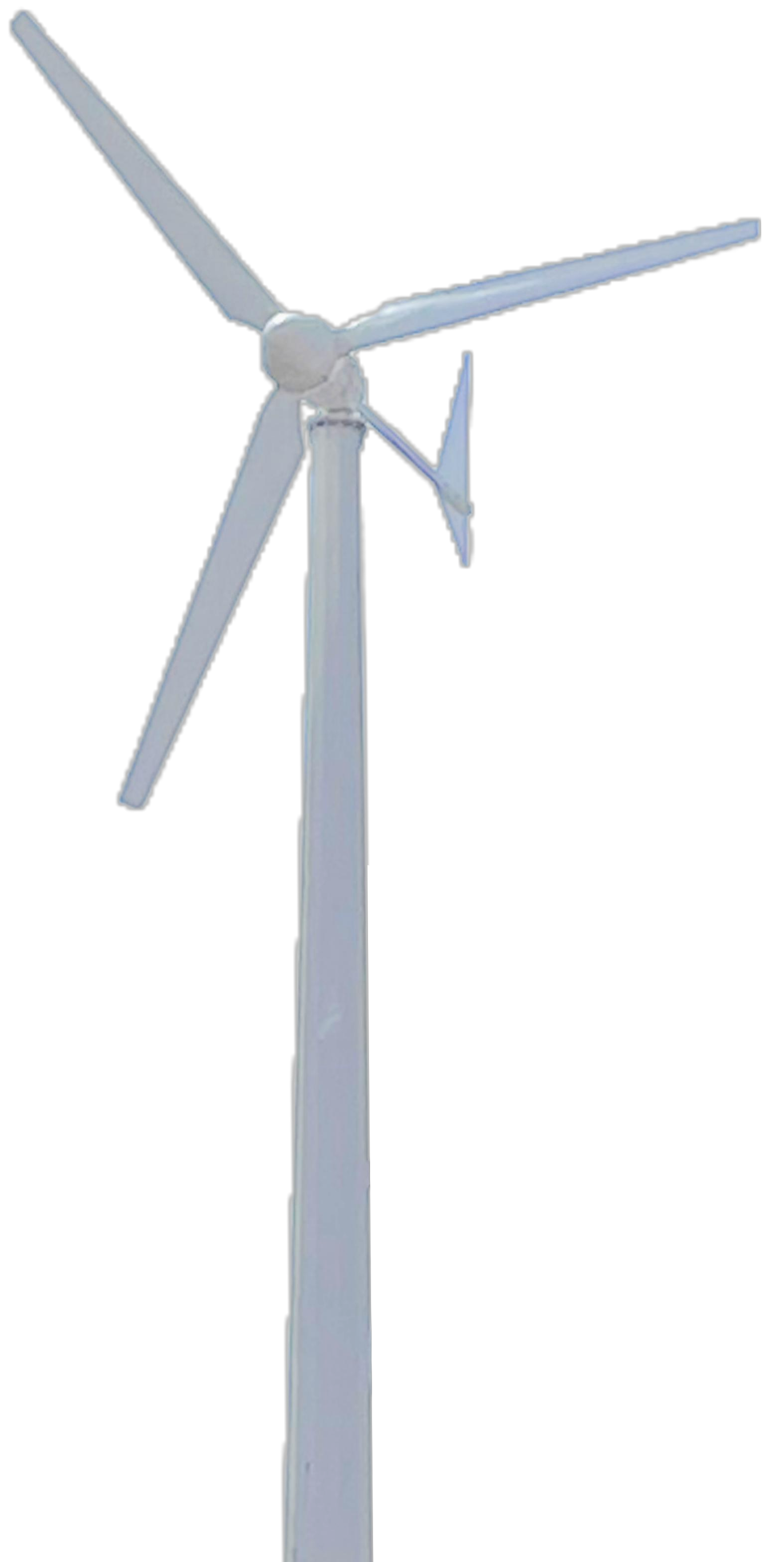
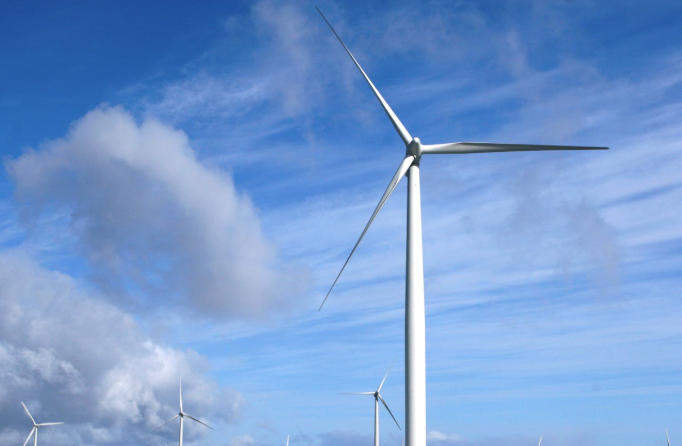
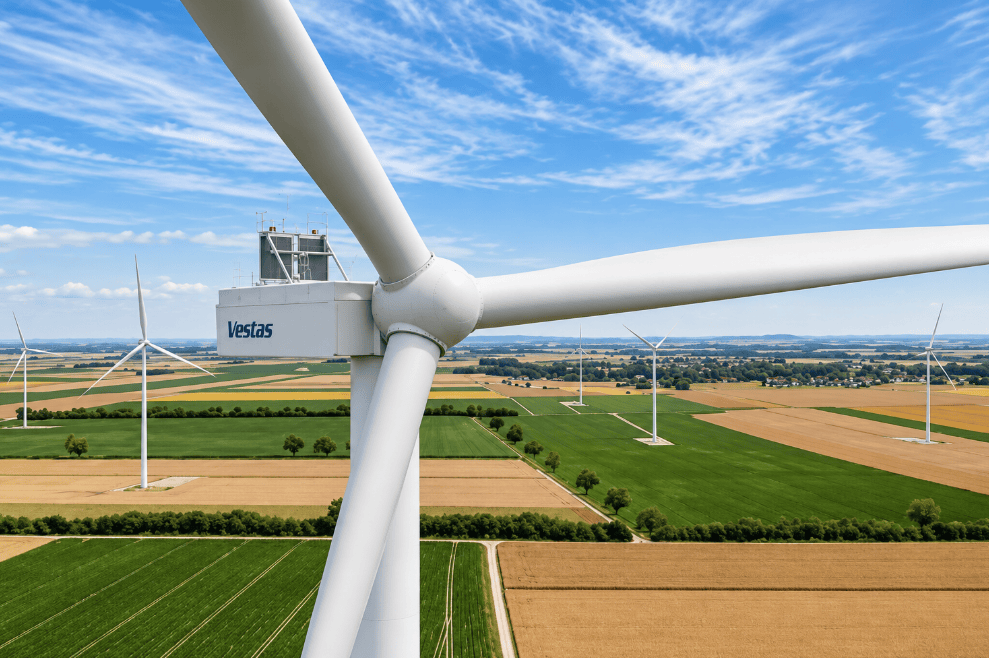
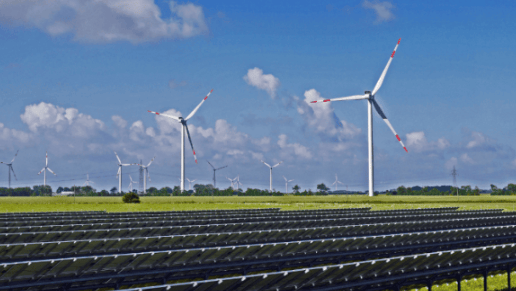
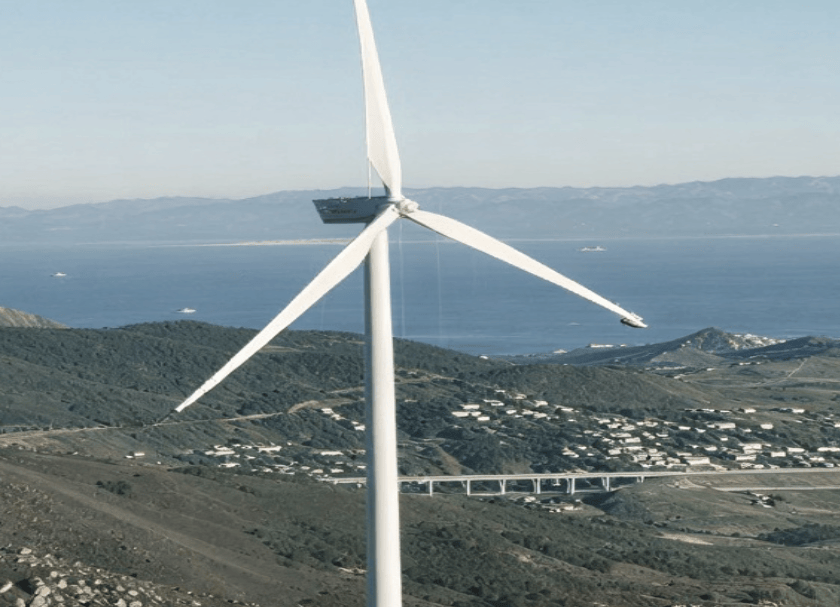
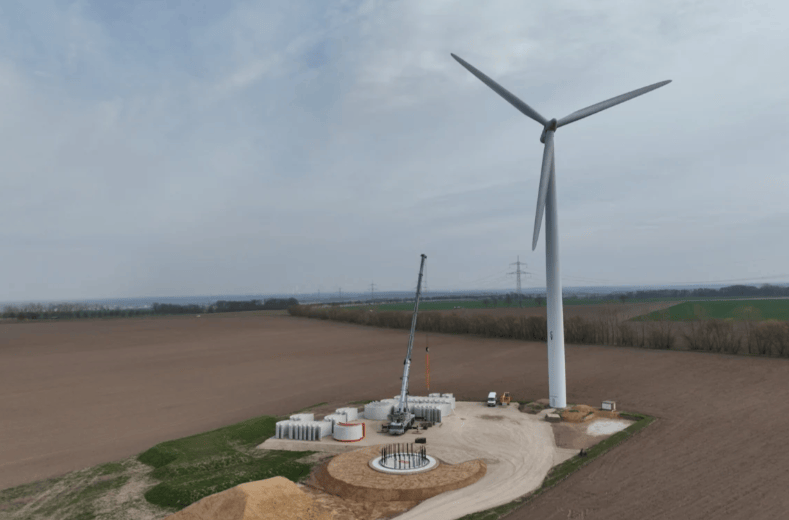
en.Wedoany.com Reported - Recently, German energy company RWE completed the expansion of the Wiedenfelder Höhe wind farm in the Rhenish lignite mining area, with three new wind turbines now in operation in Bergheim. Each new turbine has a capacity of 5.7 megawatts, adding a total of 17.1 megawatts of installed capacity. The project utilizes the reclaimed overburden dump of the former Fortuna-Garsdorf open-pit mine.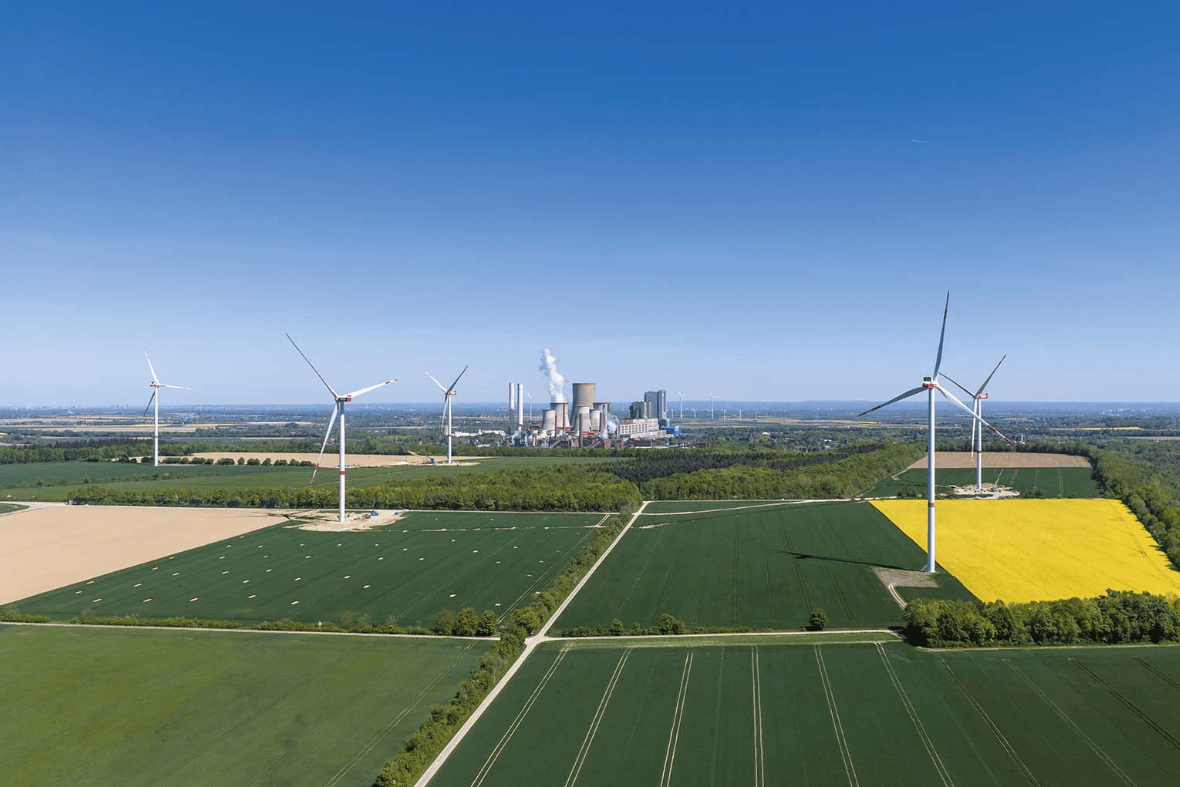
The Wiedenfelder Höhe wind farm originally had an installed capacity of 13.2 megawatts and was commissioned in 2017. After this expansion, the total installed capacity of the wind farm has increased to 30.3 megawatts. The Rhenish lignite mining area, where the project is located, has long been based on coal mining and coal-fired power generation as its energy industry foundation. With Germany's energy transition, the reuse of reclaimed land has become a key lever for local transformation. RWE chose to add wind turbines on the former open-pit mine's overburden dump, combining mine reclamation, land redevelopment, and renewable energy construction. This allows the industrial space previously serving fossil fuel extraction to continue fulfilling the function of power supply. After commissioning, the new wind power will be directly connected to the local grid, providing more localized clean electricity for the region. It also offers a practical example for Germany's traditional energy bases to retain energy production attributes during industrial transformation.
The Rhenish lignite mining area is one of the most representative structural adjustment regions in Germany's energy transition. After the phase-out of lignite power, the area must address issues such as mining land restoration, employment transition, and infrastructure reuse, while also accommodating new renewable energy projects. The engineering value of the wind farm expansion lies not only in the addition of 17.1 megawatts of installed capacity but also in demonstrating that reclaimed mining areas can continue to serve as energy assets in the power system. Compared to newly developed land, reclaimed overburden dumps often already have a certain industrial base, road conditions, and power connection infrastructure. However, they also require more meticulous engineering management in terms of foundation stability, ecological restoration, noise control, community coordination, and long-term operation and maintenance. RWE stated that the company is currently planning and constructing wind power projects with a total installed capacity of 74 megawatts in the Rhenish lignite mining area, where the existing installed wind capacity has reached 267 megawatts. This indicates that the energy assets of traditional coal regions are gradually shifting towards a combination of wind power, solar power, and flexible power facilities.
The subsequent focus of the project will be on stable operation, power generation revenue, and local benefit-sharing mechanisms. RWE stated that the electricity generated by the new turbines at Wiedenfelder Höhe will be subject to a revenue-sharing payment of 0.2 euro cents per kilowatt-hour to surrounding municipalities. For the Rhenish lignite mining area, such projects help local governments and communities achieve more direct revenue returns from the energy transition. They also provide a reference for deploying more clean energy facilities on abandoned mining areas, reclaimed sites, and industrial heritage sites in the future.
This article is compiled by Wedoany. All AI citations must indicate the source as "Wedoany". If there is any infringement or other issues, please notify us promptly, and we will modify or delete it accordingly. Email: news@wedoany.com
Related Products

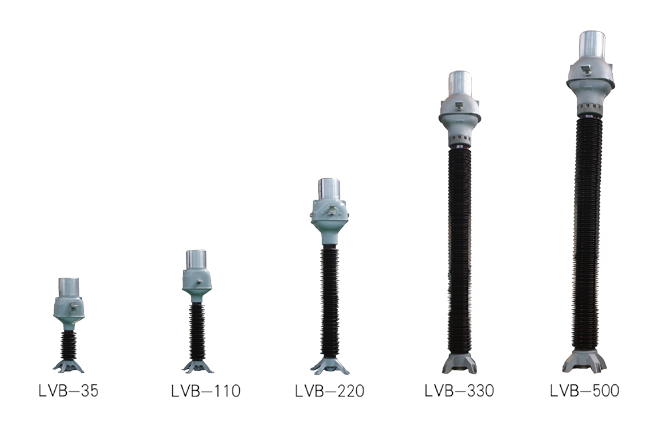
LVB Series 35-500kV Oil-immersed Inverted Current Transformer
Shandong TaiKai Instrument Transformer Co., Ltd.
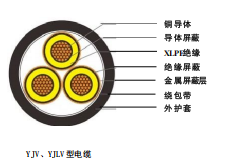
Rated Voltage 6-35kV Cross-linked Polyethylene Insulated Power Cable
TONGDING INTERCONNECTION INFORMATION CO., LTD.
Pneumatic high-pressure wear-resistant ball valve
Zhejiang Deca Control Valve Meter Co., Ltd.