en.Wedoany.com Reported - Recently, Uzbekistan launched the construction of the first unit at its first nuclear power plant. Uzbek President Shavkat Mirziyoyev and Russian President Vladimir Putin attended the launch ceremony via video link, and International Atomic Energy Agency Director General Rafael Grossi participated in related events.
Located in the Jizzakh region of Uzbekistan, this project represents a significant milestone in the nuclear energy development process of this Central Asian country. According to the disclosed plan, the power plant will adopt a combined approach of "large baseload units and small modular units," with plans including two large nuclear power units of approximately 1,000 megawatts each and two small modular reactors of 55 megawatts each. This is aimed at meeting Uzbekistan's long-term growth in electricity demand, industrial expansion, and energy diversification. Uzbekistan has long relied on natural gas, thermal power, and hydropower to support its electricity system. With population growth, an increase in industrial projects, expanding urban electricity consumption, and rising demand for regional interconnection, the importance of stable baseload power sources continues to grow. The entry of the nuclear power project into the construction phase will drive the formation of new engineering, regulatory, fuel, operation and maintenance, and talent systems in the country. It will also stimulate supporting demand for civil engineering, nuclear island equipment, conventional island equipment, cooling systems, electrical controls, emergency safety, radiation monitoring, and long-term operational services.
The start of construction on the first unit marks the project's transition from preliminary agreements and engineering preparations to a more substantive implementation phase.
A key engineering feature of this project is the simultaneous introduction of small modular nuclear power and large baseload nuclear power. Small modular units are characterized by smaller installed capacity, higher modularity, and greater deployment flexibility, making them suitable for phased validation, regional power supply, and the establishment of emerging nuclear power systems. Large units, on the other hand, are better suited for providing long-term, stable baseload electricity supply. Advancing both types of units within the same nuclear power project framework will allow Uzbekistan to accumulate experience in nuclear engineering, regulation, safety culture, and operation and maintenance during the initial construction phase, gradually building nuclear energy support capabilities for a larger-scale power system. For the country's energy import and natural gas consumption structure, if the nuclear power plant is commissioned as planned, it will reduce some of the fuel pressure on thermal power plants, freeing up more natural gas resources for the chemical industry, residential use, export, or high-value-added industrial applications.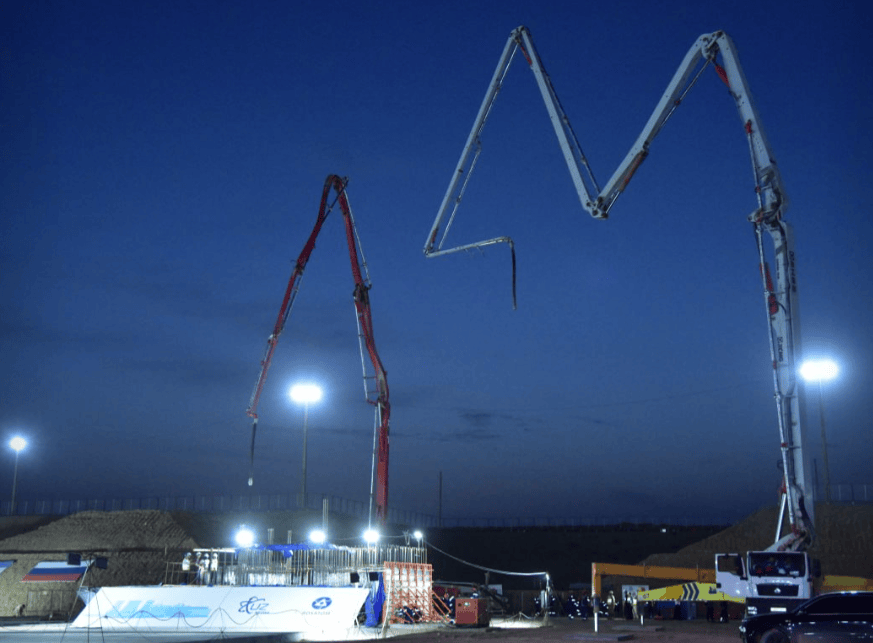
The Uzbek side emphasized that the project's construction and commissioning preparations will proceed under the continuous supervision of the International Atomic Energy Agency and will implement safety requirements in accordance with international standards. Nuclear power projects have long cycles and complex technical chains, imposing high requirements for site selection, seismic assessment, cooling water assurance, equipment manufacturing, personnel training, regulatory independence, emergency systems, and public communication. The Jizzakh project will still need to go through multiple stages, including detailed design, main equipment manufacturing, construction peak, system installation, cold and hot functional testing, fuel loading, and grid connection. If construction proceeds smoothly, Uzbekistan will establish the basic framework for its domestic nuclear energy industry, and the Central Asian power landscape will gain a new long-term baseload power node centered on nuclear energy.
This article is compiled by Wedoany. All AI citations must indicate the source as "Wedoany". If there is any infringement or other issues, please notify us promptly, and we will modify or delete it accordingly. Email: news@wedoany.com