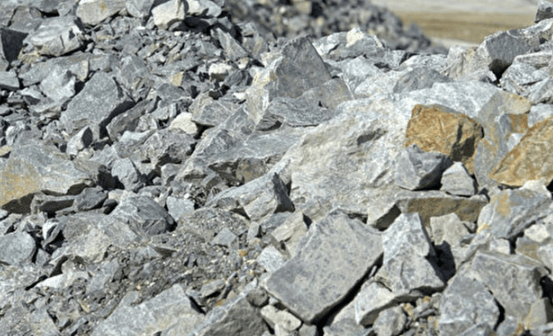
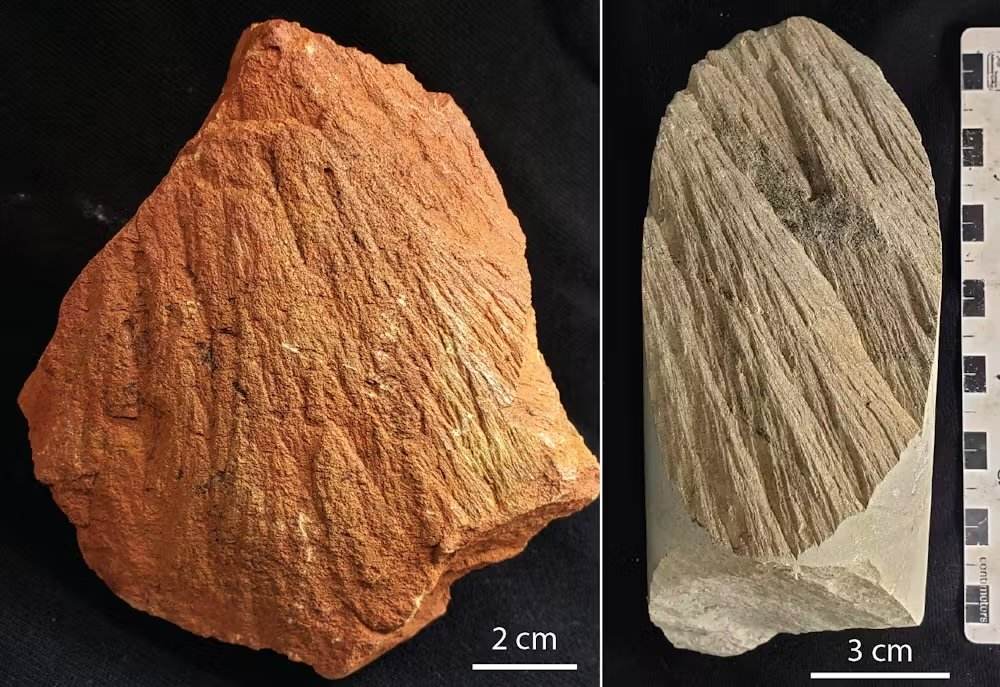
en.Wedoany.com Reported - A research team led by former Curtin University PhD student Raiza Quintero has confirmed that the Ora Banda structure in the Goldfields of Western Australia is a crater formed by an ancient meteorite impact. The structure, 5 km wide, is heavily eroded and partially buried. Researchers identified microscopic shock features in minerals that can only form under extreme pressure, leading to the conclusion that it was impact-generated.
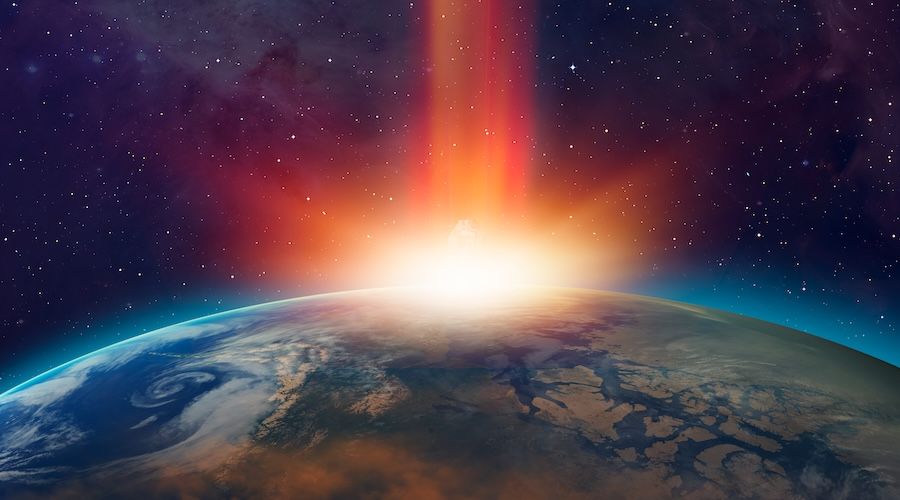
Using the GeoHistory Facility at Curtin University's John de Laeter Centre, the team detected meteorite remnants in impact glass.
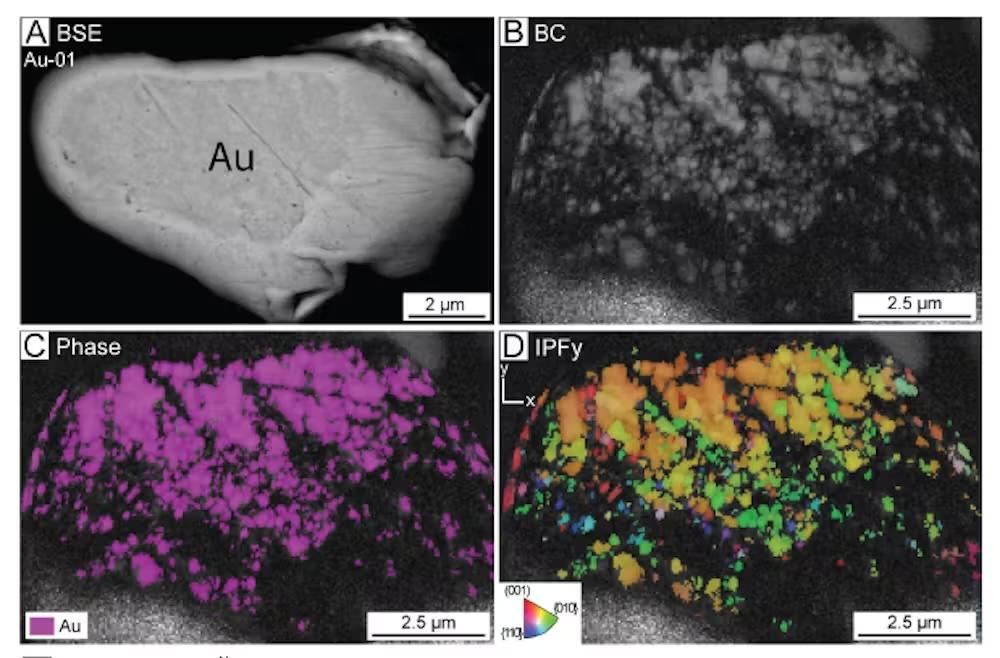
"Large meteorite impacts not only leave craters; they fundamentally reshape the Earth's crust, and some also host economic metal deposits," noted co-author Dr Aaron Cavosie. "This impact struck rocks in a known gold-bearing mining district." He stated that while the studied rocks do not contain economic concentrations of gold, there is evidence that some gold was locally mobilized during the impact. Determining whether such impact sites form gold-rich deposits is a key reason for studying ancient impact structures.
These findings further demonstrate that asteroid impacts can influence mineral systems and alter the distribution of metals within the Earth's crust. Although the Ora Banda rocks examined do not contain extractable gold concentrations, the study suggests that ancient impacts may have enriched or redistributed precious metals in certain areas.
The research also provides new insights into the geological history of the Goldfields in Western Australia, one of the highest gold-producing regions in the world.
This article is compiled by Wedoany. All AI citations must indicate the source as "Wedoany". If there is any infringement or other issues, please notify us promptly, and we will modify or delete it accordingly. Email: news@wedoany.com