en.Wedoany.com Reported - Kazakh Minister of Industry and Construction, Yersain Nagaspayev, invited American companies to jointly develop the country's critical mineral resources and proposed five key areas for cooperation.
Nagaspayev noted that in November 2025, during Kazakh President Kassym-Jomart Tokayev's visit to Washington, a memorandum of understanding on cooperation in the field of critical minerals was signed with U.S. Secretary of Commerce Howard Lutnick. On the same day, Kazakhstan also signed an agreement with Cove Capital for the development of the North Katpar and Upper Kairaktinsky tungsten deposits.
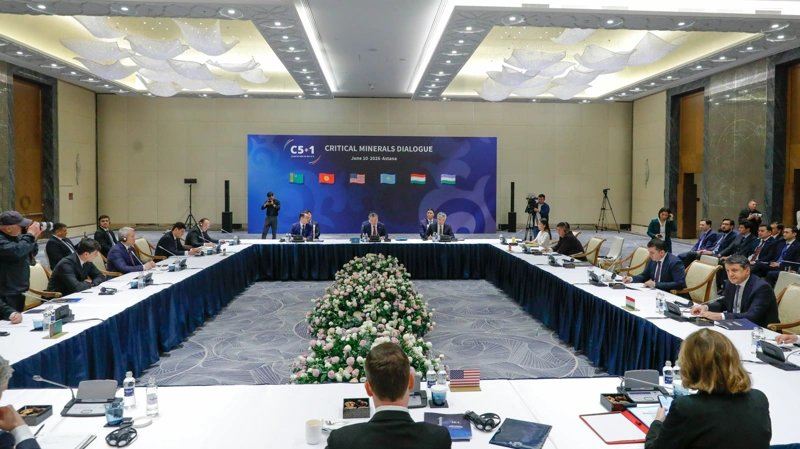
Nagaspayev pointed out that critical minerals have become a crucial foundation for global technological transformation, playing an increasingly prominent role in reshaping the global industrial landscape. Central Asia boasts abundant mineral resources and sustained industrial development potential, along with a strategic geographical advantage connecting major world markets.
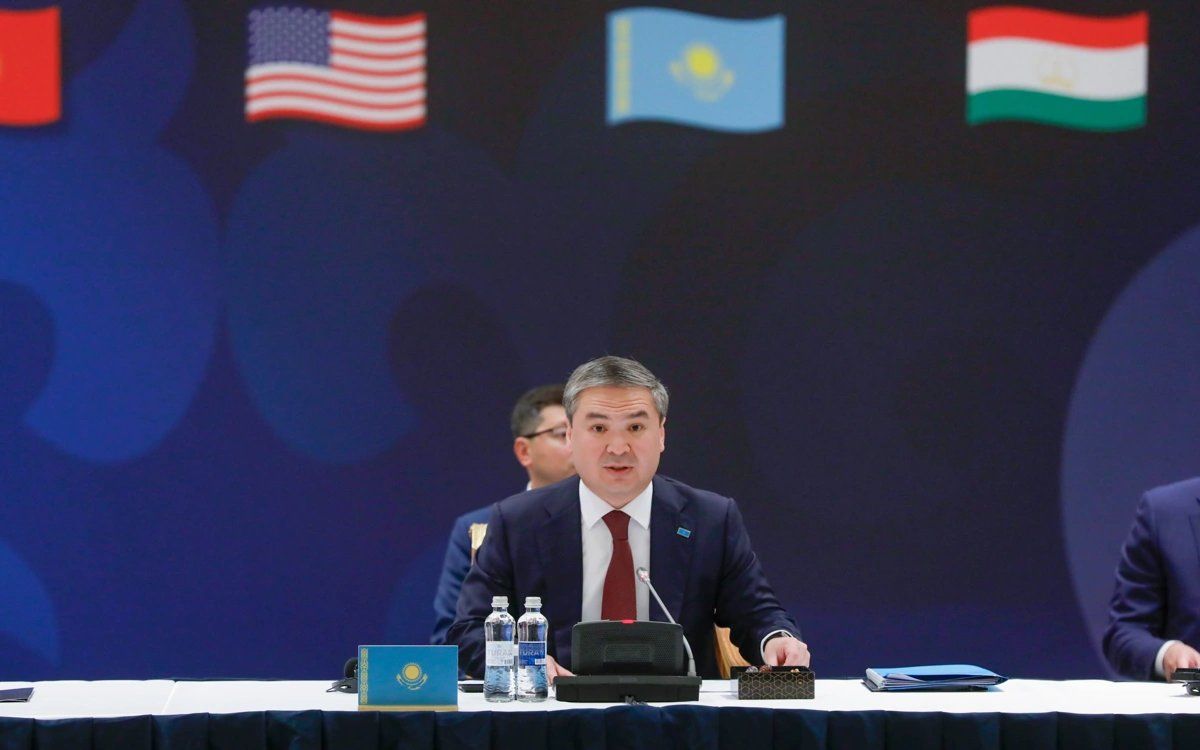
Kazakhstan has designated the critical minerals sector as a key priority in its industrial policy and an integral part of its long-term national economic development strategy. The country has identified over 9,500 mineral resource sites, including more than 100 deposits of rare and rare-earth metals. To attract investment and optimize the industry environment, Kazakhstan has been continuously advancing regulatory reforms. In 2018, drawing on the experience of Australia and Canada, Kazakhstan adopted the Mineral Code, introducing a "first-come, first-served" principle, which enhanced transparency and accessibility in mineral resource development, effectively stimulating private capital inflow into the sector. In 2023, a comprehensive platform for mineral resource utilization was launched, achieving full digitalization of business processes. Since 2024, Kazakhstan has fully adopted the international CRIRSCO standards.
Nagaspayev stated that since 2018, investment in geological exploration nationwide has tripled, exceeding $1 billion in total. International companies such as Rio Tinto, Barrick Gold, Ivanhoe Mines, Teck Resources, Fortescue, and Cove Capital have entered the Kazakh market.
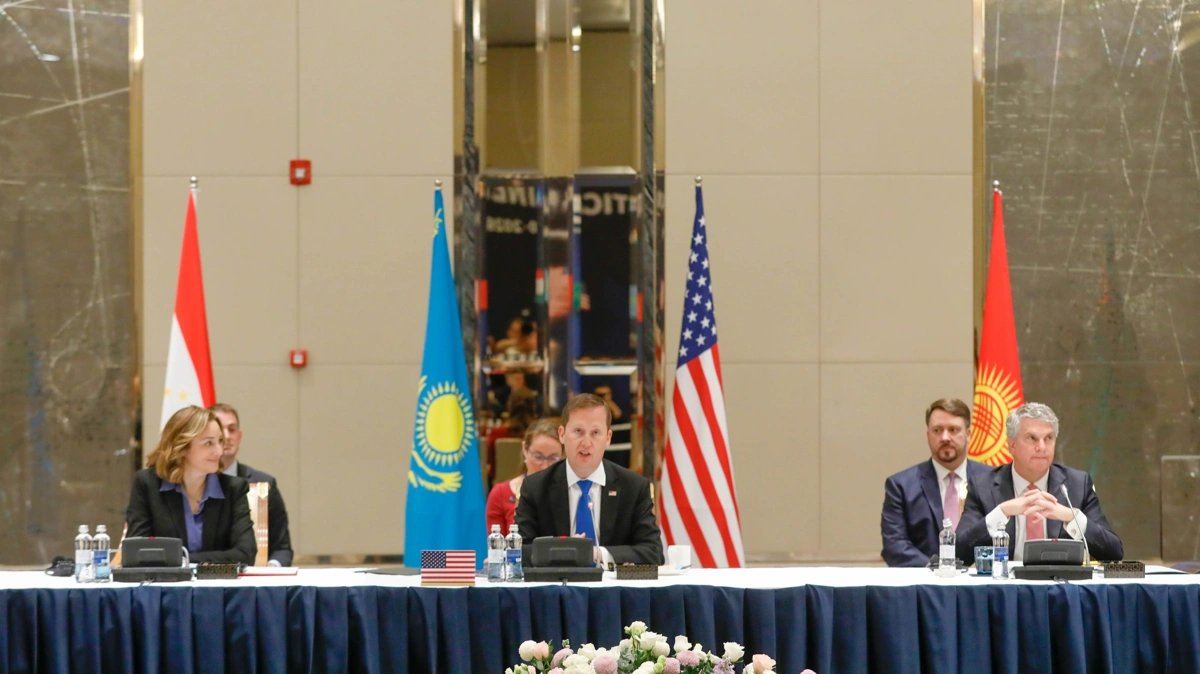
Kazakhstan's development goals extend beyond exporting raw materials; it also aims to advance deep processing industries, technology transfer, professional talent cultivation, and scientific research cooperation with partners. Nagaspayev emphasized that against the backdrop of growing global demand for strategic raw materials and the increasing need for supply chain diversification, cooperation between countries holds special significance. Only by pooling the efforts of governments, businesses, and international partners can a stable, complete, and sustainable global critical mineral supply system be built. On this basis, he proposed five key areas for cooperation to U.S. partners: implementing joint projects in critical minerals; building deep processing and high-tech production facilities; strengthening cooperation in industrial clusters and new materials; establishing joint research and engineering centers; and cultivating engineering and technical talent.
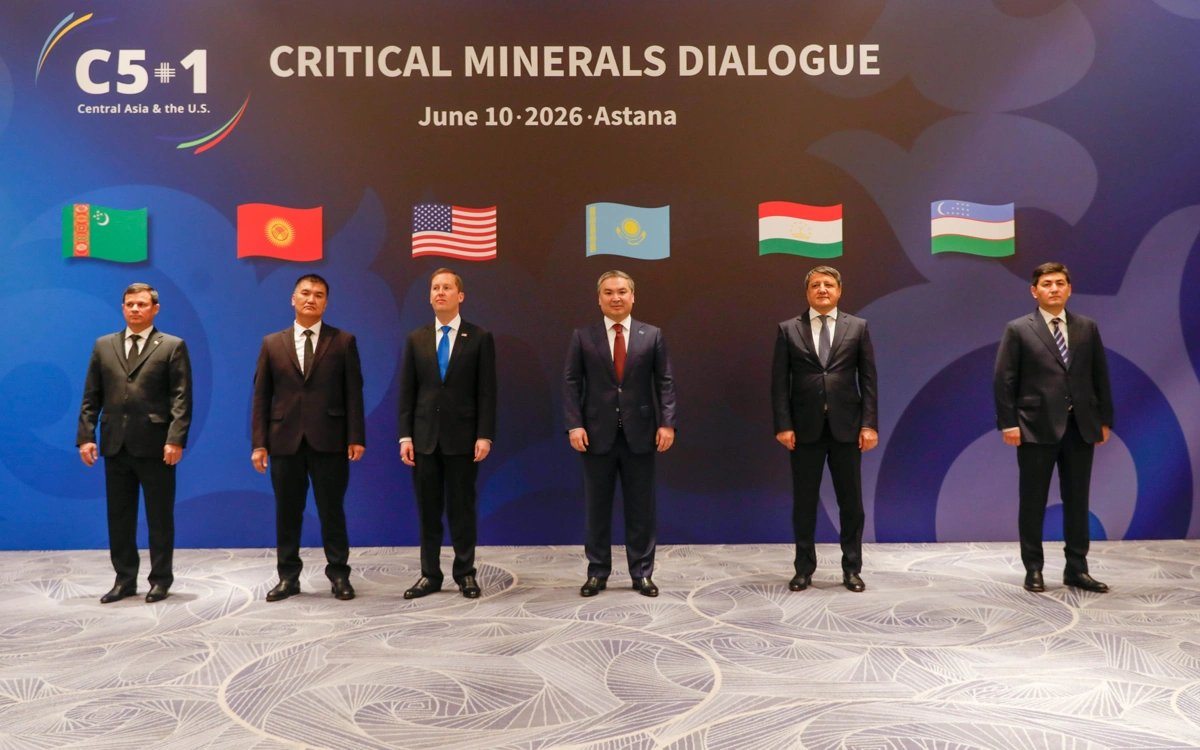
Nagaspayev stated that Kazakhstan is continuously advancing the development of the Trans-Caspian International Transport Route, improving the infrastructure of the "Middle Corridor," and expanding multimodal transport capacity between Asia and Europe. Kazakhstan believes that the "Middle Corridor" will play a significant role in diversifying global transport routes, enhancing the stability and reliability of critical mineral supply chains by strengthening the economic resilience of the Eurasian region. Kazakhstan is willing to deepen cooperation with U.S. development finance institutions to jointly support industrial and infrastructure projects.
This article is compiled by Wedoany. All AI citations must indicate the source as "Wedoany". If there is any infringement or other issues, please notify us promptly, and we will modify or delete it accordingly. Email: news@wedoany.com