en.Wedoany.com Reported - Hertha Metals plans to break ground in Texas by late summer on a plant capable of producing 10,000 tons of high-purity iron annually, a material used in the production of neodymium-iron-boron (NdFeB) permanent magnets. CEO Laureen Meroueh stated that the move aims to fill a critical gap in the U.S. rare earth magnet supply chain and prepare for upcoming domestic procurement regulations.
Founded in 2022 and headquartered in Houston, Hertha Metals is developing a process called FLEXHERS (an acronym for Flexible Hydrogen-Electric Reduction Smelting), which combines electric arc furnace technology with natural gas or hydrogen to produce steel. The company plans to become the sole domestic producer of high-purity iron in the United States. The updated Defense Federal Acquisition Regulation Supplement (DFARS), effective January 2027, requires materials for certain defense applications to come from non-covered countries. Starting January 1, 2027, the U.S. Department of Defense (DoD) will ban the use of rare earth magnets and their constituent materials sourced from China in all covered defense systems.
Meroueh noted that current policy and industry focus is primarily on securing domestic supplies of rare earth elements like neodymium, but supply chain vulnerabilities remain in the high-purity iron production segment. She stated that 90% of the world's high-purity iron is currently produced in China. According to data from the Institute for Energy Economics, a decline in Chinese steel output will impact demand for low-grade iron ore used in coal-consuming blast furnaces, which currently produce 90% of China's steel. As steelmakers shift from blast furnaces to cleaner technologies, demand for high-grade iron ore suitable for low-carbon steelmaking will rise.
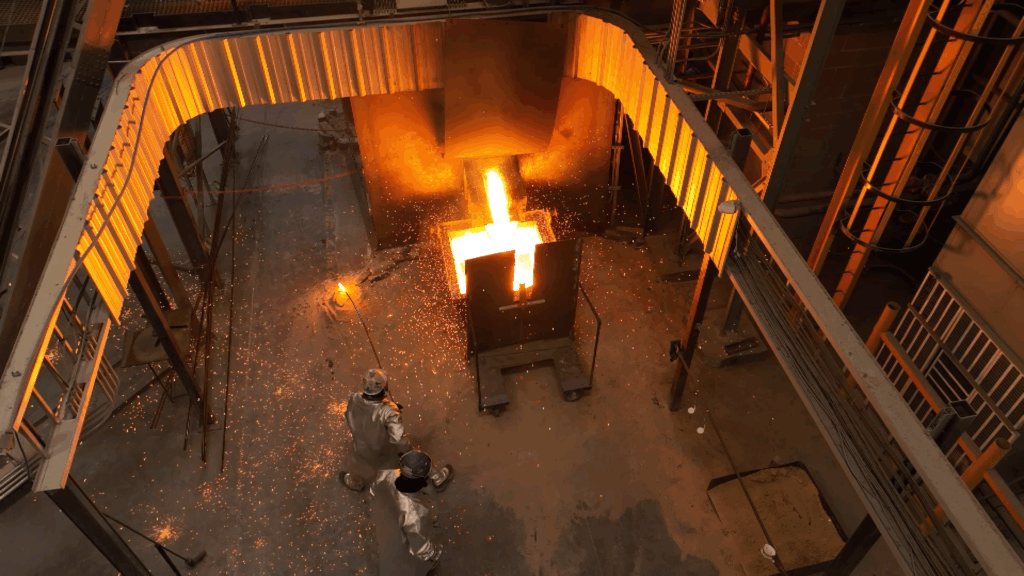
Hertha Metals' broader goal is to restore domestic ironmaking capacity in the United States. The company's existing technology can utilize low-grade ore and iron ore fines, which are difficult to process economically in traditional steelmaking routes. Currently, the company operates a 1-ton-per-day pilot plant in Conroe, Texas, which it claims is the largest demonstration-scale single-step steelmaking facility in the United States. The ore is sourced domestically from Minnesota. The pilot plant has produced materials meeting customer specifications and has begun limited sales in preparation for commercial-scale expansion. The planned plant will also produce experimental steel products, with a target of reaching approximately 500,000 tons of annual production capacity within the next four to five years.
In terms of cost, Hertha Metals states that by replacing metallurgical coal with natural gas and electricity, and using lower-cost iron ore feedstock, its process can compete with traditional steelmaking without requiring a premium for domestic origin. Meroueh acknowledged that challenges come from heavily subsidized overseas producers, primarily price competition driven by Chinese government subsidies. The company has not disclosed financing details, future fundraising plans, or potential offtake agreements.
Hertha Metals' strategy aligns with U.S. government efforts to rebuild domestic critical mineral, rare earth magnet, and steel manufacturing capabilities. Beyond permanent magnets, the company sees market opportunities in electrical steel for transformers and electric vehicle motors, a sector that also relies on high-purity iron and has limited domestic supply. As the January 2027 DFARS deadline approaches, Hertha Metals is betting that policy support, national security priorities, and market demand will jointly drive the establishment of a domestic industry.
This article is compiled by Wedoany. All AI citations must indicate the source as "Wedoany". If there is any infringement or other issues, please notify us promptly, and we will modify or delete it accordingly. Email: news@wedoany.com