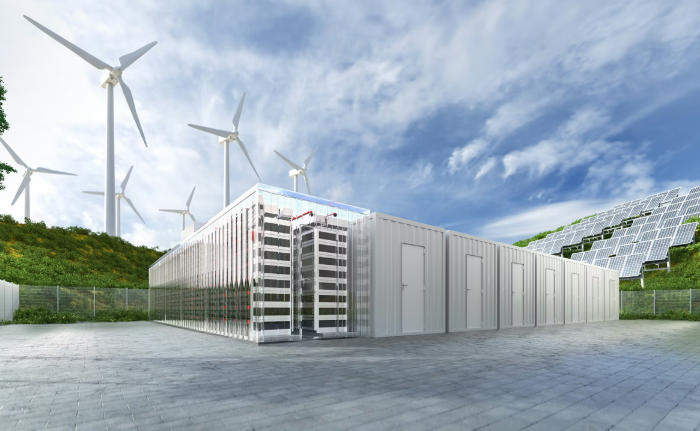
Texas A&M University doctoral student develops polymer battery resistant to minus 50 degrees Celsius
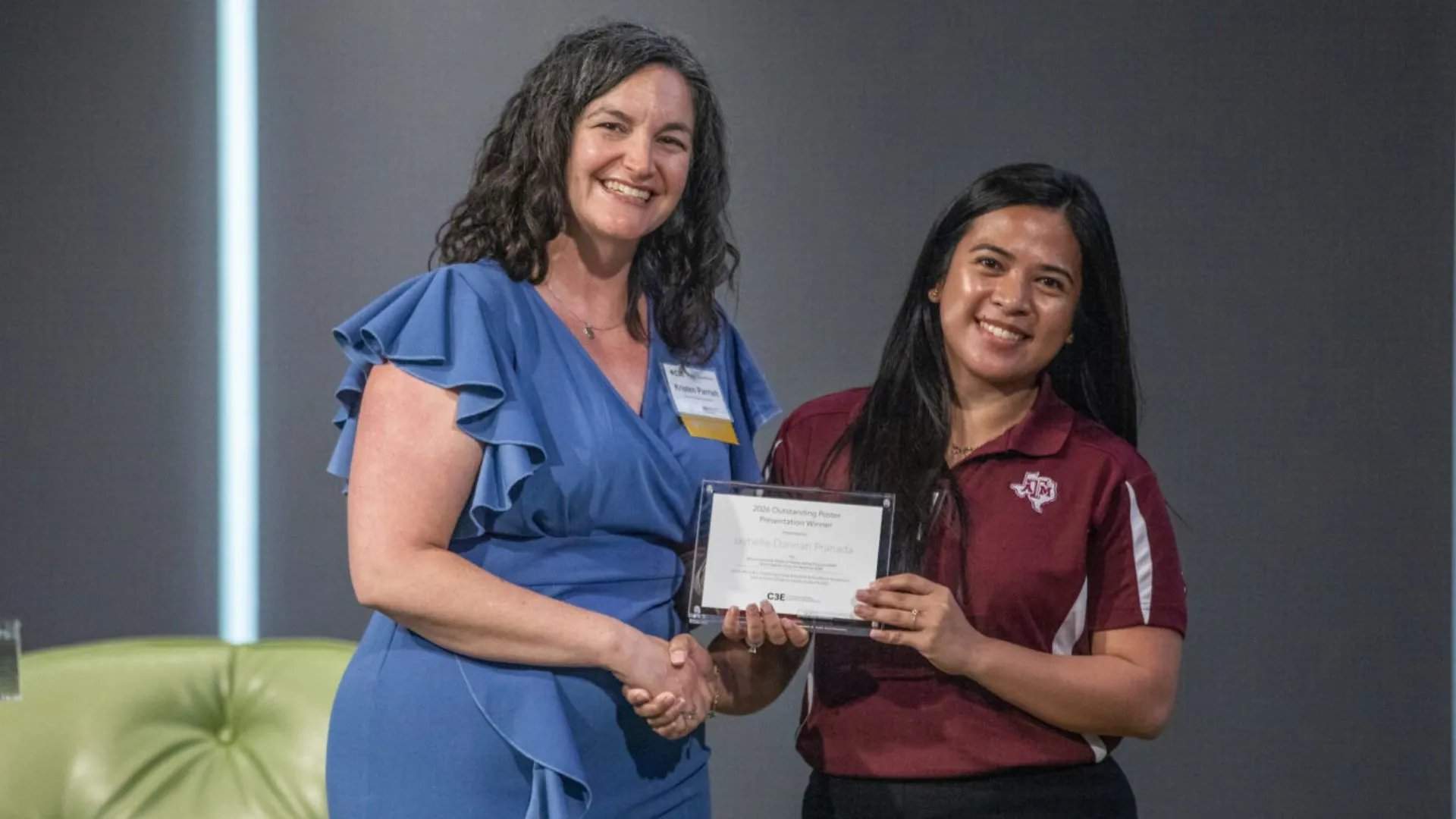
en.Wedoany.com Reported - Jaybelle Pranada, a doctoral student at Texas A&M University, presented a research project on an alternative battery chemistry system designed to withstand low-temperature operation at the Catalyzing Clean Energy Education and Excellence (C3E) workshop hosted by Arizona State University. The workshop, held in April this year, was founded by the U.S. Department of Energy to select students nationwide working on clean energy solutions. Among nearly 100 submissions nationwide, Pranada's project ranked in the top five.
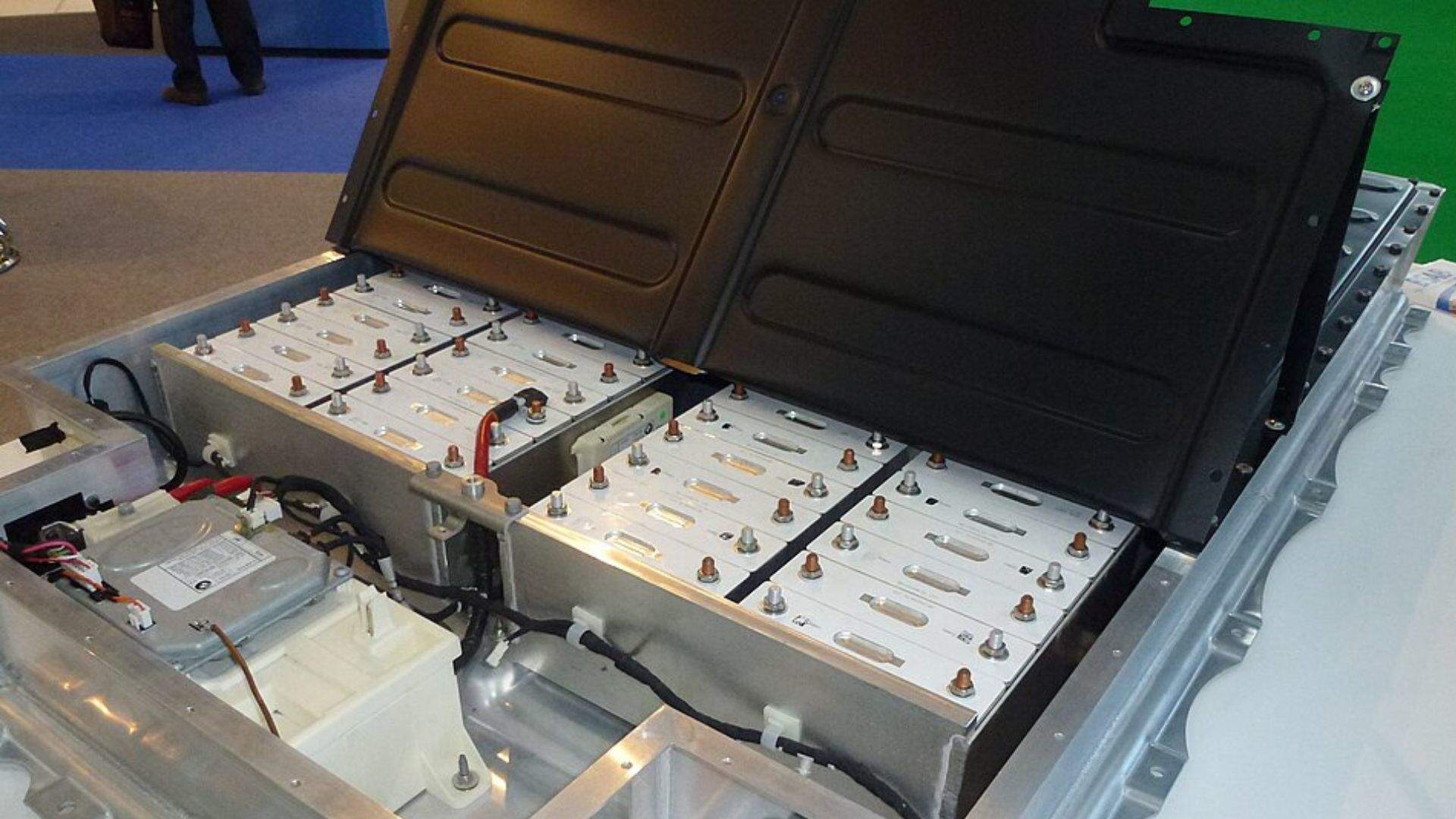
The research focuses on developing computational models to explore alternative battery chemistry systems that may be more suitable for extreme cold environments. The research team first examined traditional lithium-ion batteries and found that their main issue is suboptimal performance when temperatures fall below 32 degrees Fahrenheit (0 degrees Celsius) or exceed 212 degrees Fahrenheit (100 degrees Celsius). When temperatures drop below 32 degrees Fahrenheit, the electrochemical processes enabling energy storage and release in lithium batteries slow down, and in extreme cold, performance may degrade to the point where the battery stops working, making it unreliable for space missions that may be exposed to harsh conditions.
To address this issue, Pranada's project is studying organic and inorganic energy storage systems, aiming to identify battery designs capable of operating under severe thermal conditions. The developed computational model helps the team understand the advantages and limitations of emerging solutions, and further evaluate future applications and identify improvement methods. The research team believes that the limitations of lithium batteries can be addressed by replacing materials with new alternatives, proposing the use of alternative polymers that can operate at temperatures as low as minus 50 degrees Celsius. These batteries, known as polymer batteries, are made from synthetic materials that can be easily synthesized and studied in the laboratory. These materials were subsequently tested in various environments, from the coldest winters in Alaska to the hottest summers in Arizona. Once delivered, the technology resulting from this research will benefit the electric vehicle, defense, energy storage industries, and space exploration.
This article is compiled by Wedoany. All AI citations must indicate the source as "Wedoany". If there is any infringement or other issues, please notify us promptly, and we will modify or delete it accordingly. Email: news@wedoany.com
Related Products

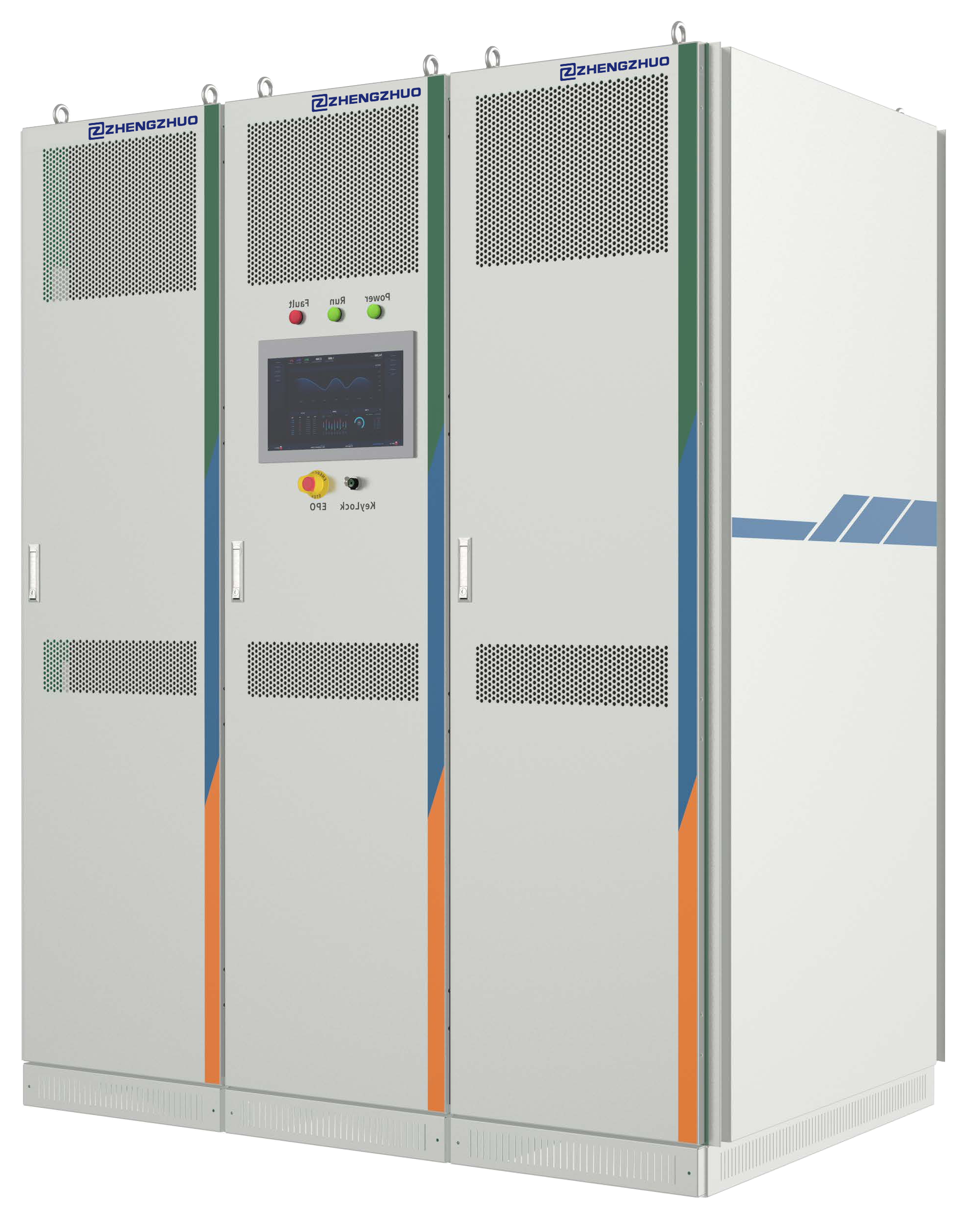
IGBT Hydrogen Production Power Supply - High Power Air Cooling
Beijing Zhengzhuo Engineering Technology Co., Ltd.
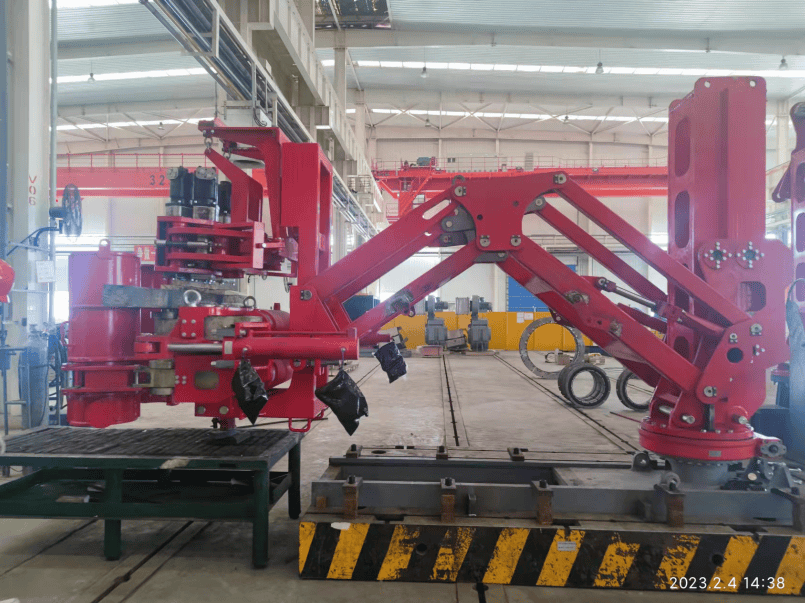


Prefabricated Houses and Electrical Energy Boxes
Chengdu Ruilong Machinery Manufacturing Co., Ltd.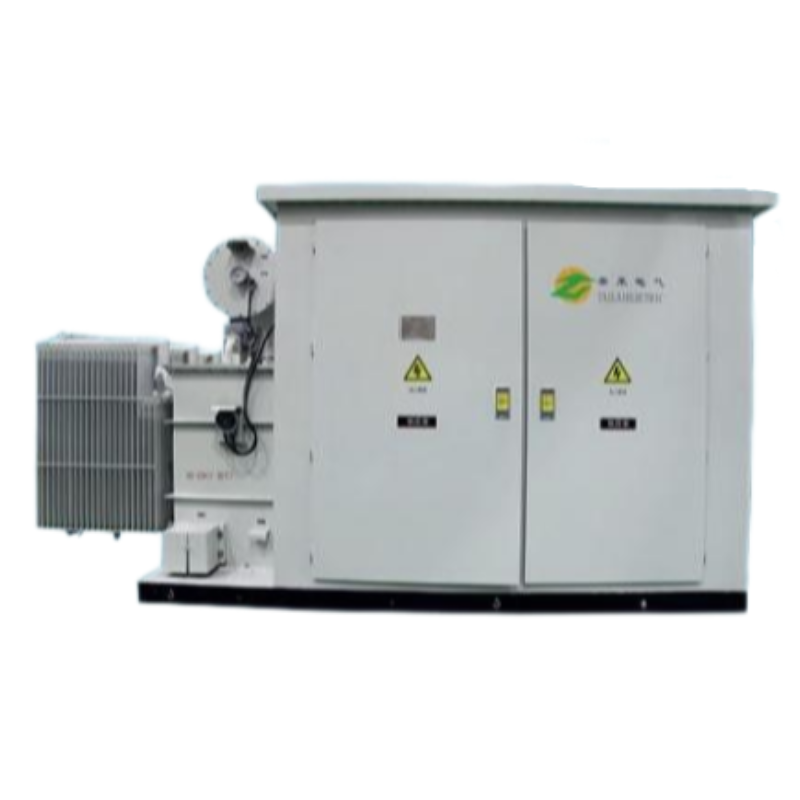
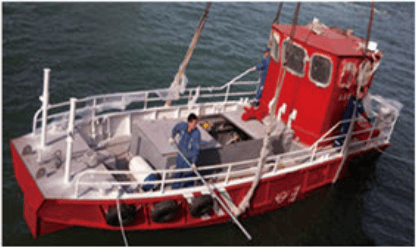
Electromagnetic Fluid Seawater Floating Oil Separation and Recover Equipment
Huate Magnet Group Co., Ltd.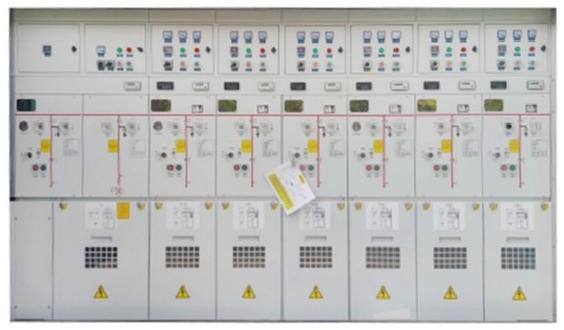
NISELA Series Environmentally Friendly Gas-Insulated Ring Main Unit
XJ DELISHIER ELECTRIC CO., LTD.
G.652.D Wavelength-extended Non-dispersion Shifted Single-mode Optical Fiber
HONGAN GROUP CO., LTD.