Brazilian Industry Seeks to Include Critical Minerals Cooperation in Tariff Negotiations with the U.S.
en.Wedoany.com Reported - The National Confederation of Industry (CNI), the American Chamber of Commerce in Brazil (Amcham Brasil), and the U.S. Chamber of Commerce submitted a joint letter to the Brazilian and U.S. governments on July 9, 2026, calling for a negotiated solution to the threat of U.S. tariffs on Brazilian products and urging the inclusion of critical minerals supply chain cooperation in the bilateral trade agenda. The letter was addressed to Brazilian Minister of Development, Industry, Trade, and Services Márcio Elias Rosa, Minister of Foreign Affairs Ambassador Mauro Vieira, U.S. Trade Representative Ambassador Jamieson Greer, and Secretary of State Marco Rubio.
This joint initiative comes at a pivotal moment in U.S.-Brazil trade relations. The United States has launched an investigation under Section 301 of the Trade Act of 1974 against Brazil, alleging that Brazilian policies and practices harm the interests of U.S. companies, which could lead to an additional 25% tariff on Brazilian exports to the U.S. The Office of the U.S. Trade Representative is expected to make a final decision on whether to impose tariffs on Brazil by July 15, 2026.
The National Confederation of Industry is Brazil's largest industrial organization, representing approximately 700,000 industrial companies nationwide; Amcham Brasil is dedicated to promoting bilateral trade and investment between the two countries; and the U.S. Chamber of Commerce is the world's largest business organization, representing over 3 million U.S. companies. The three parties proposed a two-phase negotiation approach in the letter. Short-term priorities include seeking a resolution to the Section 301 investigation to avoid additional tariffs on specific Brazilian products, while the long-term goal is to expand the dialogue to include structural issues such as critical minerals cooperation, supply chain resilience, trade facilitation, and food and energy security.
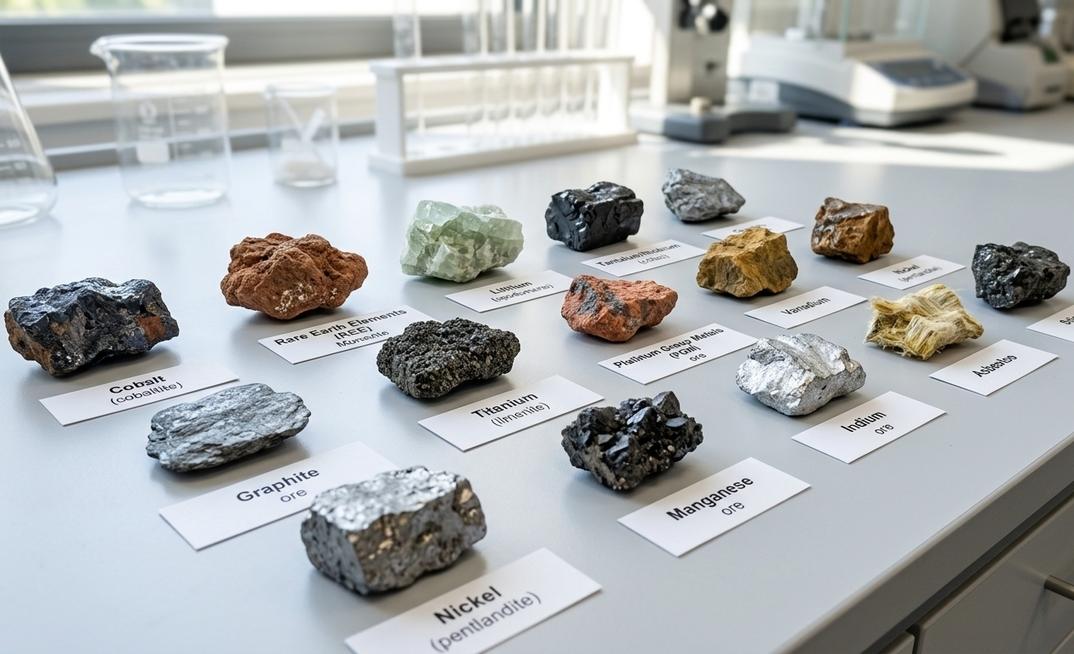
In the field of critical minerals, Brazil holds the world's second-largest rare earth reserves and is rich in strategic mineral resources such as lithium, nickel, graphite, copper, and niobium, which are essential for the energy transition and the development of the artificial intelligence industry. The business community believes that promoting cooperation between Brazil and the U.S. in the extraction, processing, and supply chain of critical minerals can help Brazil become a global supplier of key raw materials while assisting the U.S. in reducing its dependence on the Chinese rare earth supply chain.
The Brazilian Congress approved the National Critical and Strategic Minerals Policy bill in May 2026, establishing a legal framework for the critical minerals sector. This joint appeal by the business community, linking critical minerals cooperation with tariff negotiations, indicates that Brazil is attempting to leverage its resource endowment as a bargaining chip to secure more favorable bilateral trade conditions. The joint letter emphasizes that advancing bilateral trade relations through negotiation rather than unilateral tariffs can avoid adverse impacts on companies, workers, and consumers in both countries.
Currently, the Brazilian government has not yet issued an official response to the business community's appeal. As the July 15 deadline for the U.S. tariff decision approaches, whether critical minerals cooperation can become a breakthrough in U.S.-Brazil trade negotiations remains to be seen.
Related Products
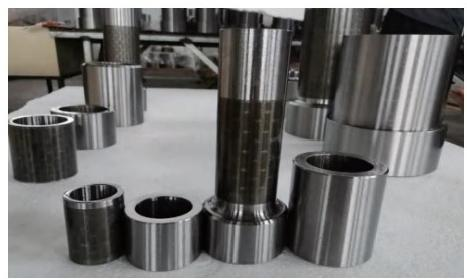

High-temperature Equal Wall Thickness High-power Screw Drilling Tool
Orient Energy & Technologies Co., Ltd.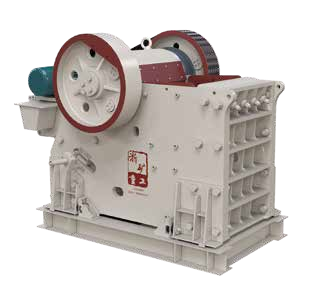

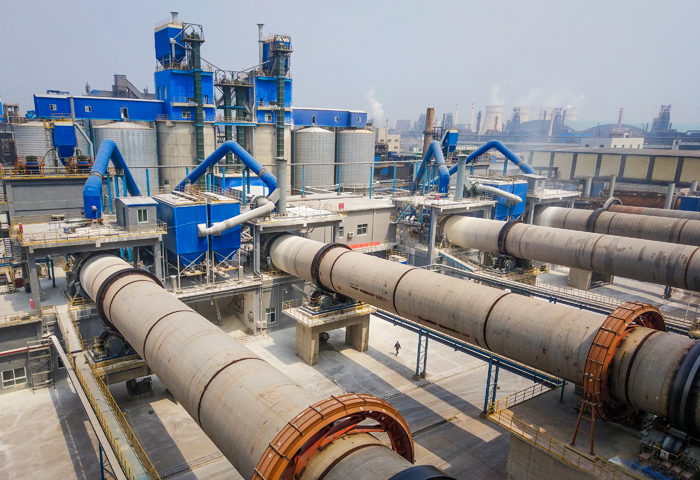
CITIC Heavy Industries Metallurgical Equipment Steel Smelting Engineering Equipment
CITIC Heavy Industries Co., Ltd.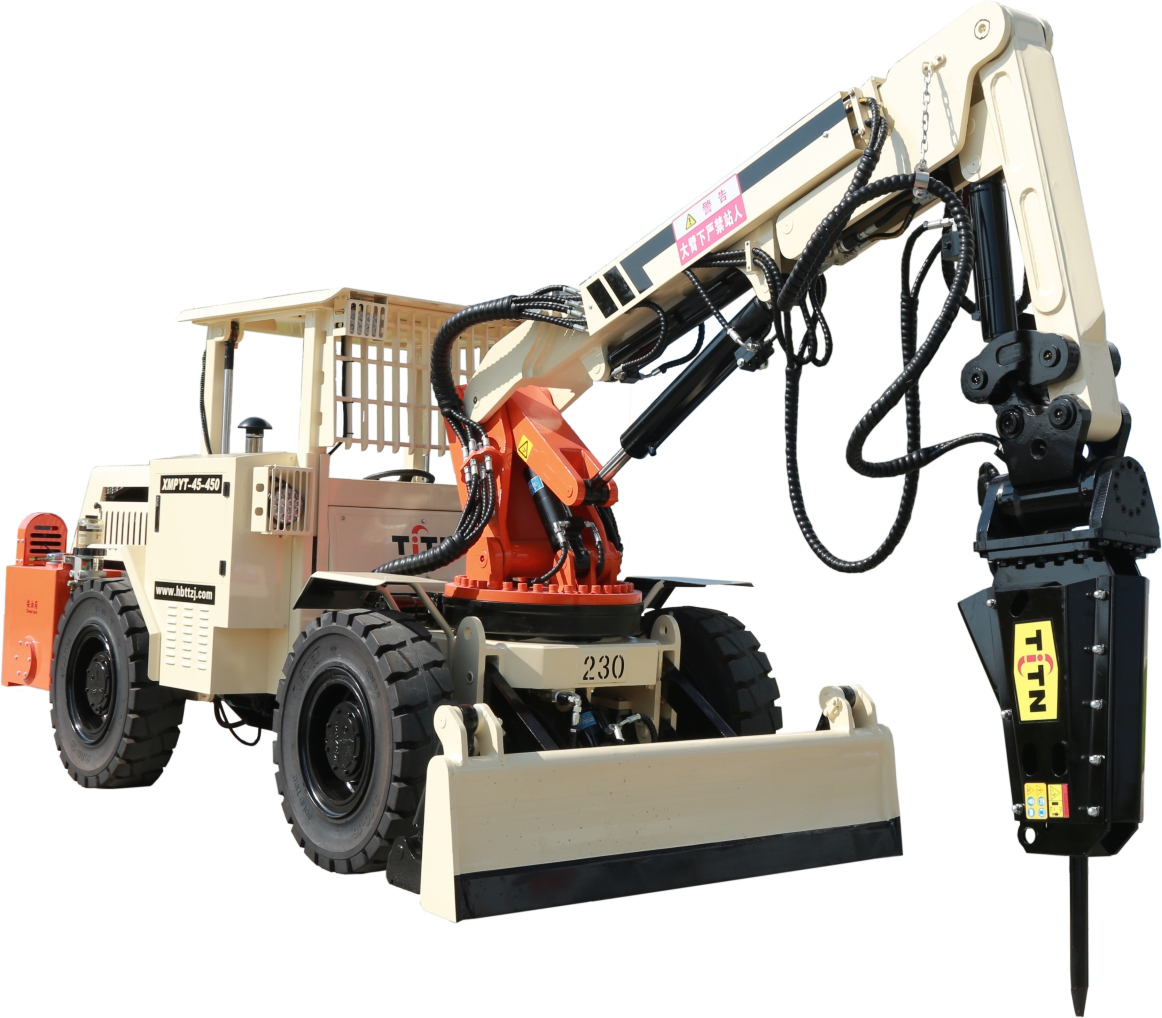
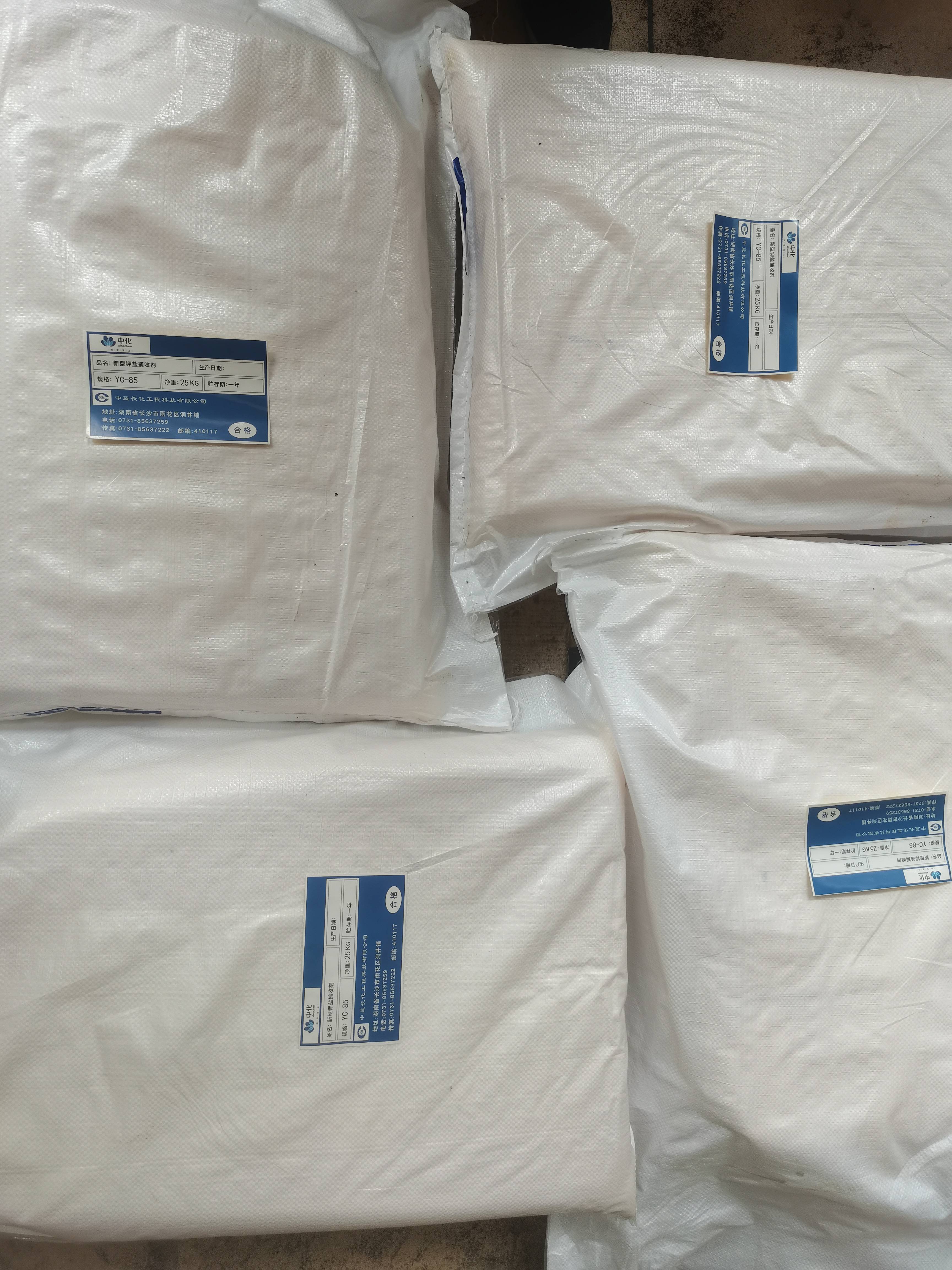
New Environmentally Friendly Green Potassium Salt Collector
Chonfar Engineering and Technology Co., Ltd.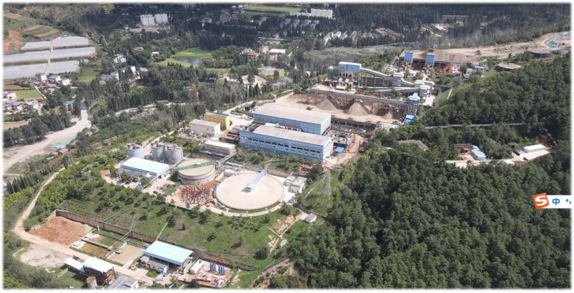
Yunnan Phosphorus Chemical Group Co., Ltd. 2 Million t/a Phosphorus Ore Mining and Beneficiation Project
China Bluestar Lehigh Engineering Corporation
Quick-Change Single-Seat Control Valve / Quick-Change High-Pressure Single-Seat Control Valve
Beijing Consen Automation Technology Co., Ltd.