Pinglu Canal Completes China's First Wildlife Ecological Bridge
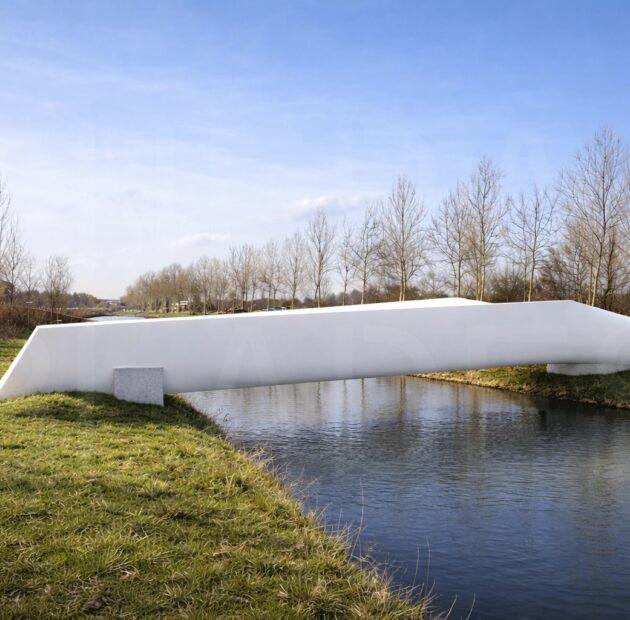
en.Wedoany.com Reported - The Pinglu Canal has recently completed China's first dedicated wildlife ecological bridge spanning a major navigable canal. Designed by the Public Works Design Institute and constructed by the Second Highway Engineering Bureau, the bridge measures 240 meters in length and 20 meters in width, aiming to provide a safe passage for wildlife such as the spotted linsang, leopard cat, and red-bellied squirrel.
The Pinglu Canal starts from Hengzhou, Nanning, and ends at Qinzhou, flowing into the sea, with a total length of approximately 134.2 kilometers. Its waterway can accommodate the regular navigation of 5,000-ton vessels, making it a strategic project of the New Western Land-Sea Corridor. The canal's construction has altered the original terrain, cutting through the once continuous mountain ranges and disrupting the daily activities and breeding routes of local wildlife. When construction began in early 2024, the team took a comprehensive approach, creating a dedicated passage for wildlife while meeting navigation requirements. The bridge abutments and arch supports are located on the canal's slopes, where geological conditions are weak and situated in a fault zone, posing extremely high construction risks. After multiple rounds of scheme simulations, the team ultimately adopted a 130.2-meter span, deck-type reinforced concrete box arch bridge with a clearance height of 19.5 meters beneath the bridge. The single-span design avoids the impact of bridge piers on the waterway and underwater ecology.

The construction team refined the bridge deck design based on wildlife habits: the bridge alignment and connection slopes were carefully studied to create a smooth and gentle passage route, encouraging animals to use the bridge. The deck is not paved with asphalt but instead covered with 80 centimeters of native planting soil, featuring native trees such as Ficus microcarpa and Cyclobalanopsis glauca, along with fruit-bearing plants. Additionally, natural shelter areas and small water sources are provided, creating a micro-forest ecological environment with "shade and cover, natural food sources, and hiding places for safety." The deck layout adopts a "two sections, three lines, multiple nodes" configuration to accommodate the movement habits of different wildlife species. The project, in collaboration with zoologists, completed the main construction over 21 months.
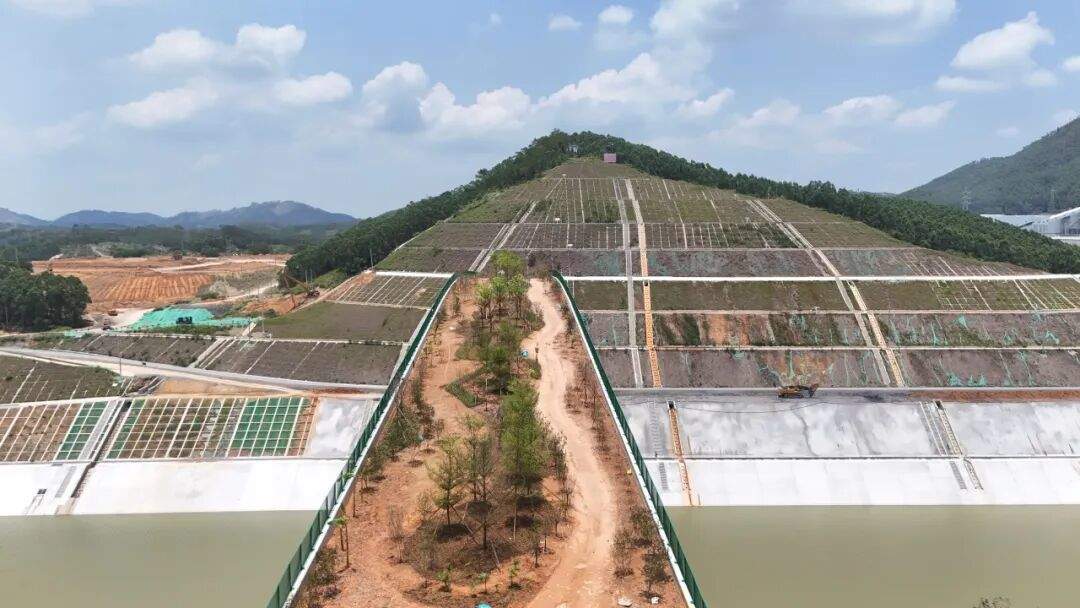
Today, this ecological bridge stands quietly by the Pinglu Canal. Without the noise of traffic, the planting soil on the deck awaits vegetation to take root, providing a safe migration corridor for wildlife.
Related Products


Aoxuan Intelligent Precision Air Conditioning Unit
SHANGHAI AOXUAN PURIFICATION TECHNOLOGY CO., LTD.
Acoustic Mineral Fiber Ceiling Tile 595x595x12mm
Shanxi Pano Trading Co., Ltd
Ultra-Pure Ferrite Stainless Steel Products
Gansu JISCO Group Hongxing Iron and Steel Co., Ltd.
West China Xiamen Hospital of Sichuan University
Wuhan Huakang Century Clean Technology Co., Ltd.
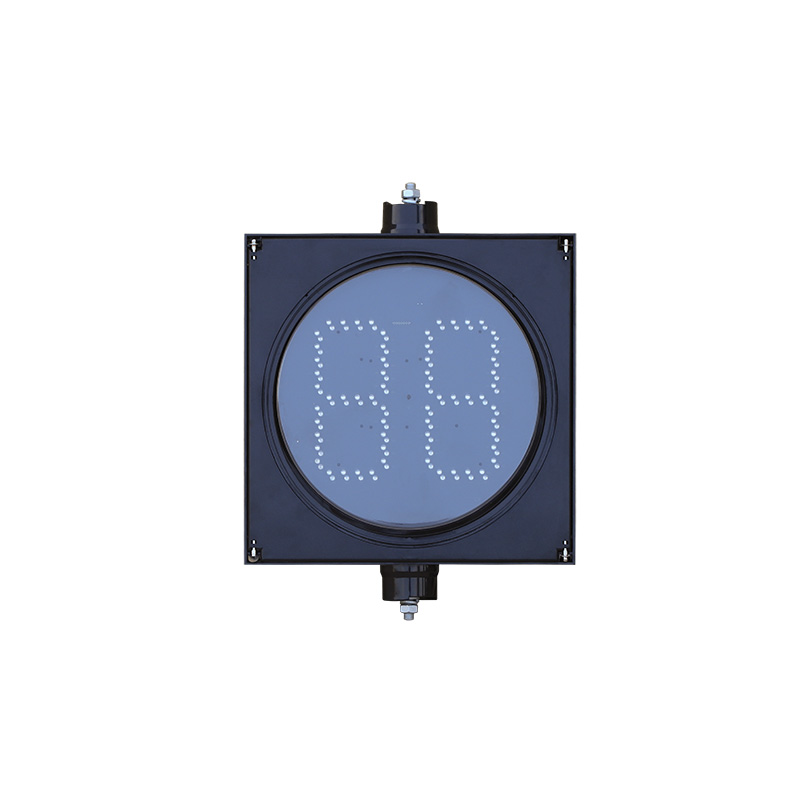
300mm Segment Type Countdown Traffic Light (Core Type)
Yangzhou FAMA Intelligent Equipment Co., Ltd.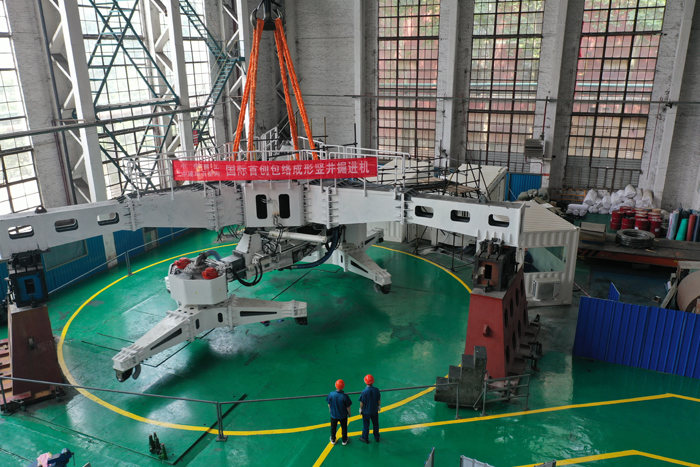
CITIC Heavy Industries Tunneling Equipment Tunnel Engineering Shield Machine
CITIC Heavy Industries Co., Ltd.

Pure Polyurethane Wall Panel BD-AEF-PIR-01
Baodu International Engineering Technology Co., Ltd.