University of Huelva Develops Novel Phase-Change Fluid to Broaden Operating Temperature Range
en.Wedoany.com Reported - The Department of Chemical Engineering at the University of Huelva (UHU), in collaboration with the Research Center for Products and Chemical Process Technology (Pro2TecS), has developed a novel heat storage fluid based on non-aqueous Pickering emulsions, which can enhance thermal energy storage capacity in solar thermal systems and industrial heat management.
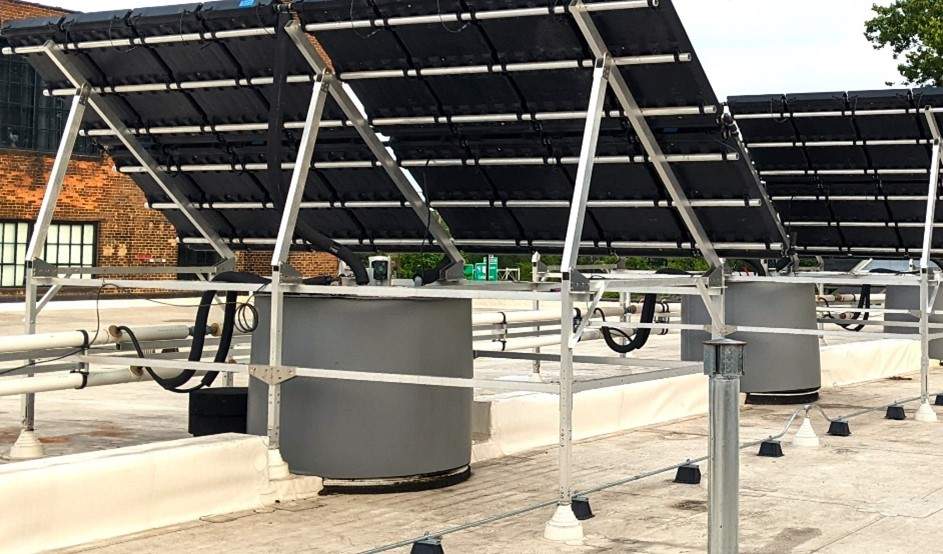
Traditional heat storage fluids are mostly water-based, limited by a boiling point of 100°C. The team replaced water with polyethylene glycol 400 (PEG 400) as the continuous phase, significantly broadening the operating temperature range. The findings were published in the journal Thermal Science and Engineering Progress under the title "Effect of nanoparticle concentration on non-aqueous paraffin Pickering emulsions in PEG400 for efficient thermal energy storage."
The fluid uses paraffin with a melting point between 58 and 60°C as the dispersed phase, storing energy through phase change: the paraffin absorbs heat when melting and releases heat when solidifying. Silica nanoparticles act as stabilizers, encapsulating paraffin droplets to form a physical barrier that prevents coalescence, eliminating the need for traditional surfactants. This stability is crucial for the material's application in heat exchange circuits, storage tanks, or pipeline networks.
The research team evaluated formulations with silica concentrations ranging from 0.10% to 3%. Tests showed that higher nanoparticle content generates smaller droplets and enhances emulsion stability. After repeated heating and cooling cycles, the paraffin droplets maintained structural integrity and uniform distribution, with no significant loss in heat storage capacity.
Researchers noted that this technology can be applied to solar thermal installations, industrial waste heat recovery, air conditioning systems, and the transport and preservation of temperature-sensitive products. Compared to other paraffin-based materials, its heat storage capacity is comparable, but the broader operating temperature range afforded by the non-aqueous base fluid offers greater application flexibility.
This research was funded by the EMERGIA program of the Andalusian Regional Government, the Spanish Ministry of Science, Innovation and Universities, the National Research Agency, and the European Regional Development Fund (FEDER). The team's next step is to validate the material's performance under real operating conditions in a pilot plant at the University of Huelva, aiming to promote solutions that enhance energy efficiency and reduce dependence on fossil fuels.
Related Products





Mineral-insulated Compact Busway (Fire-resistant Busduct)
Zhuhai Guangle Electric Busway Co., Ltd.

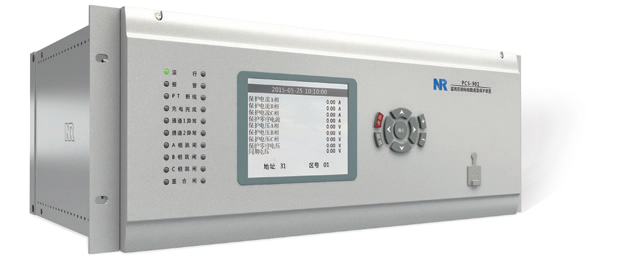
PCS-901 Series Ultra (Extra) High-voltage Transmission Line Complete Protection Device
Nanjing NR Electric Co., Ltd.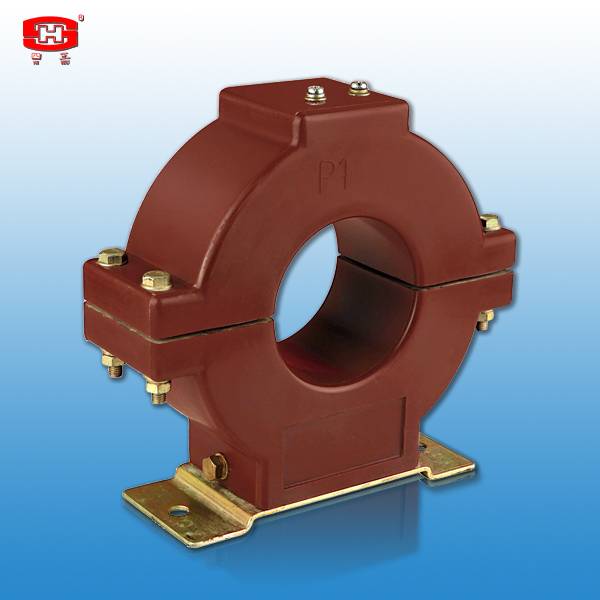
0.66kV Power Supply Instrument Transformer
Guangdong Sihui Instrument Transformer Works Co., Ltd.