British Geological Survey Releases Higher-Confidence Bedrock Depth Model
en.Wedoany.com Reported - The British Geological Survey (BGS) has released an updated Superficial Deposit Thickness Model (SDTM) to more accurately identify the thickness of loose overburden above bedrock. For the first time, this model includes an elevation model of the underlying bedrock surface—known as the geological rockhead—providing critical data for civil engineers.
In a statement, the BGS explained that the SDTM shows the simulated thickness variations of loose and unconsolidated sediments overlying bedrock. These sediments include deposits of fluvial, glacial, marine, or anthropogenic origin, typically formed during the Quaternary period (from 2.6 million years ago to the present). The survey noted that the transition zone between loose material and bedrock is a key area for geologists, civil engineers, hydrogeologists, and environmental scientists, as it is where most physical and chemical properties of sediments undergo significant changes. Properties such as strength, lithology, conductivity, porosity, and permeability can be strongly influenced by this transition zone, making knowledge of its depth essential. The BGS pointed out that the distribution of superficial deposits is uneven, sometimes forming thin layers, sometimes large irregular masses, and sometimes filling entire valleys.
The latest version of the SDTM, the first release in over 15 years, includes for the first time a raster model of rockhead elevation, providing important data for various fields. This model, the eighth iteration, is intended for use at a scale of 1:100,000, with an average vertical accuracy of ±5 meters in elevation. The BGS stated that the model is suitable for national, regional, and urban scales, but not for site-specific scales; at the site scale, specific ground investigation work should be carried out to determine precise superficial thickness and rockhead elevation.
Rob Shaw, BGS Geospatial Analyst and SDTM Product Developer, said that this data release marks a significant advancement for the BGS SDTM and is the first update since 2010. Shaw noted that they implemented improved borehole selection criteria, allowing the model to benefit from the latest interpretations of borehole records held by the BGS, while identifying and excluding low-confidence, unsuitable, and contradictory boreholes that may have been included in previous versions. As a result, the borehole selection underpinning SDTM V8 is considered more robust, leading to a higher-confidence model.
Related Products


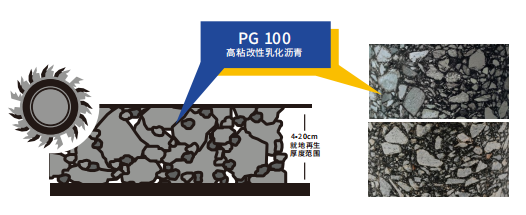
High-toughness in-Situ Cold Recycling Technology for Original Structural Layers
Central Fortune Creation Technology Group Co., Ltd.
YHTank8400N Solvent-Free Liquid Epoxy Coating
JIANGSU YUNHU NEW MATERIAL TECHNOLOGY CO., LTD.


Industrial and Commercial Point-Type Gas Detector
Jinan Benan Technology Development Co., Ltd.

Aoxuan Intelligent Precision Air Conditioning Unit
SHANGHAI AOXUAN PURIFICATION TECHNOLOGY CO., LTD.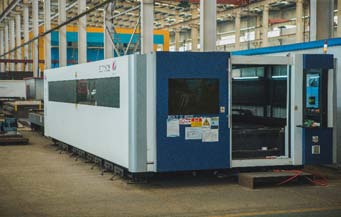
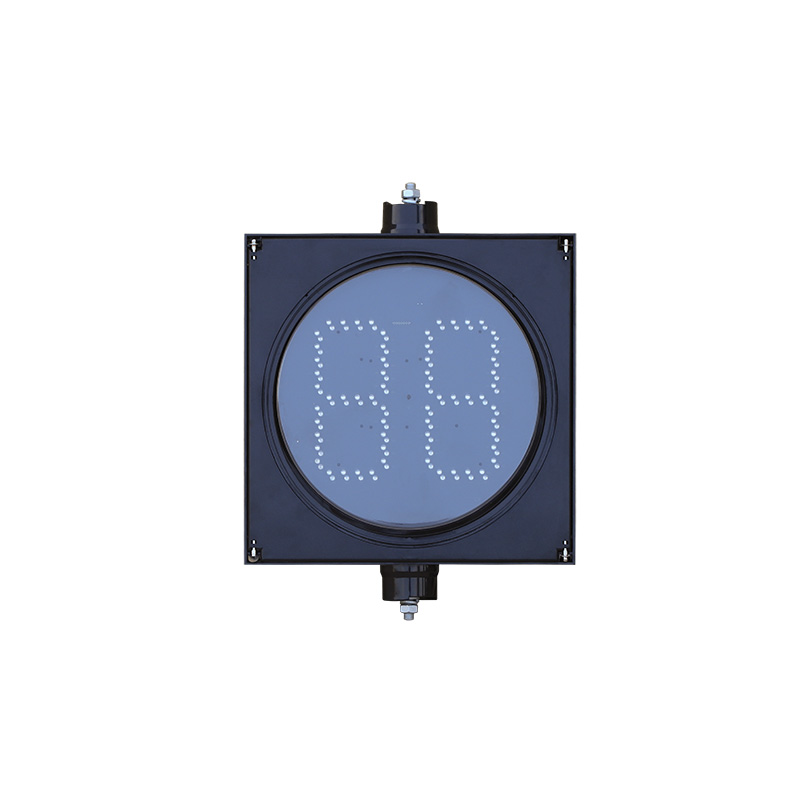
300mm Segment Type Countdown Traffic Light (Core Type)
Yangzhou FAMA Intelligent Equipment Co., Ltd.