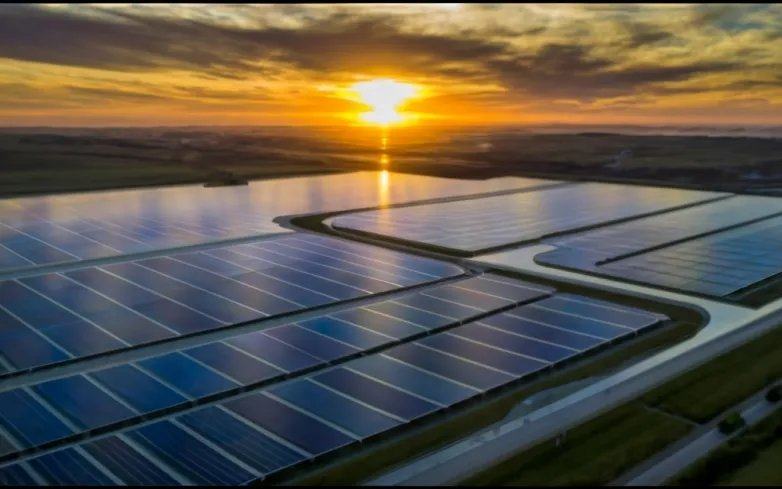
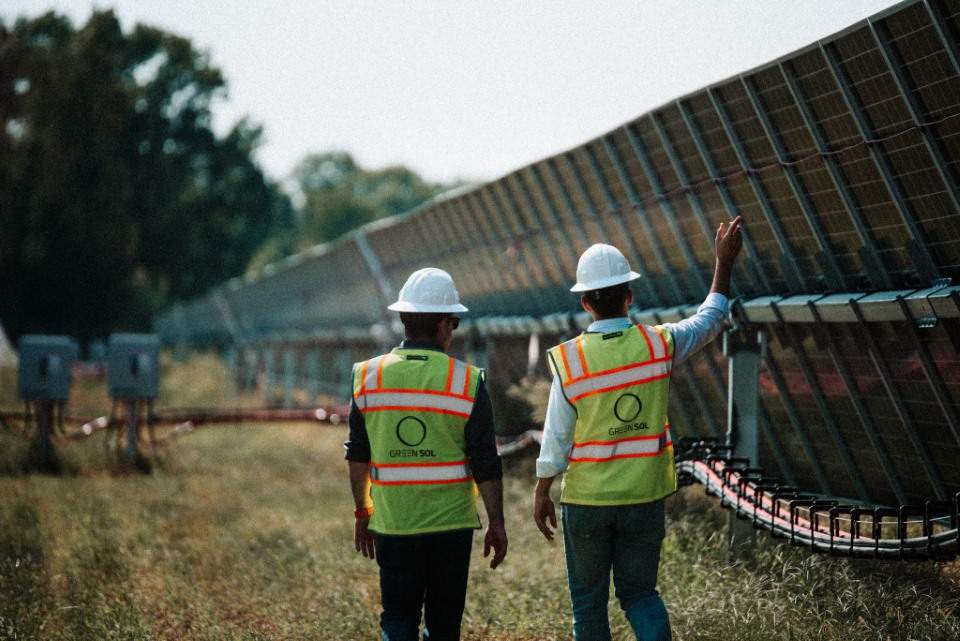
Wedoany.com Report-Dec.16, PowerChina has initiated its centralized equipment procurement program for 2026, announcing tenders for a total of 97 GW in renewable energy and grid-related equipment. The initiative aims to ensure supply chain reliability through framework agreements. The scope encompasses 35 GW of wind turbines, 31 GW of solar modules, and 31 GW of solar inverters intended for projects scheduled in 2026. Bids must be submitted by December 24, 2025.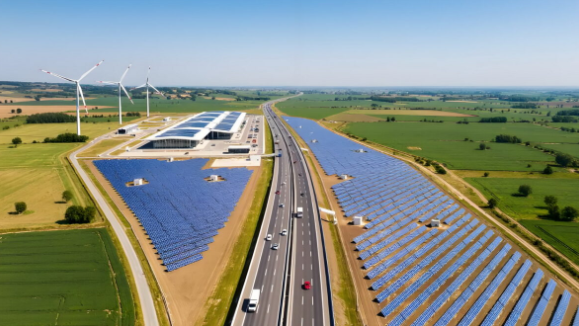
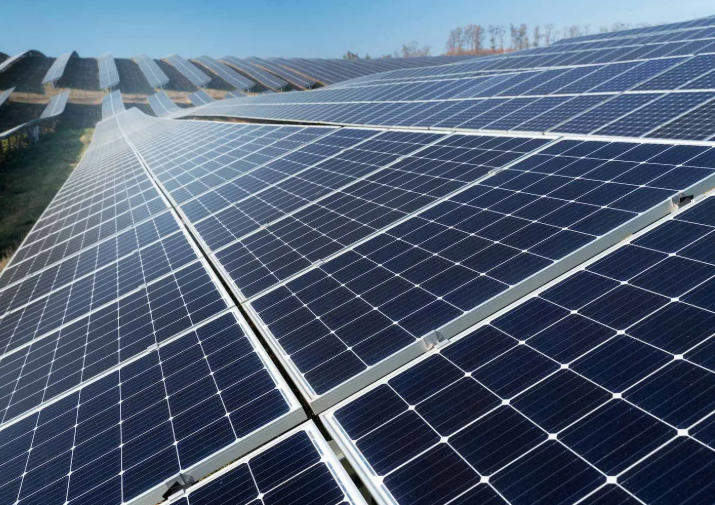
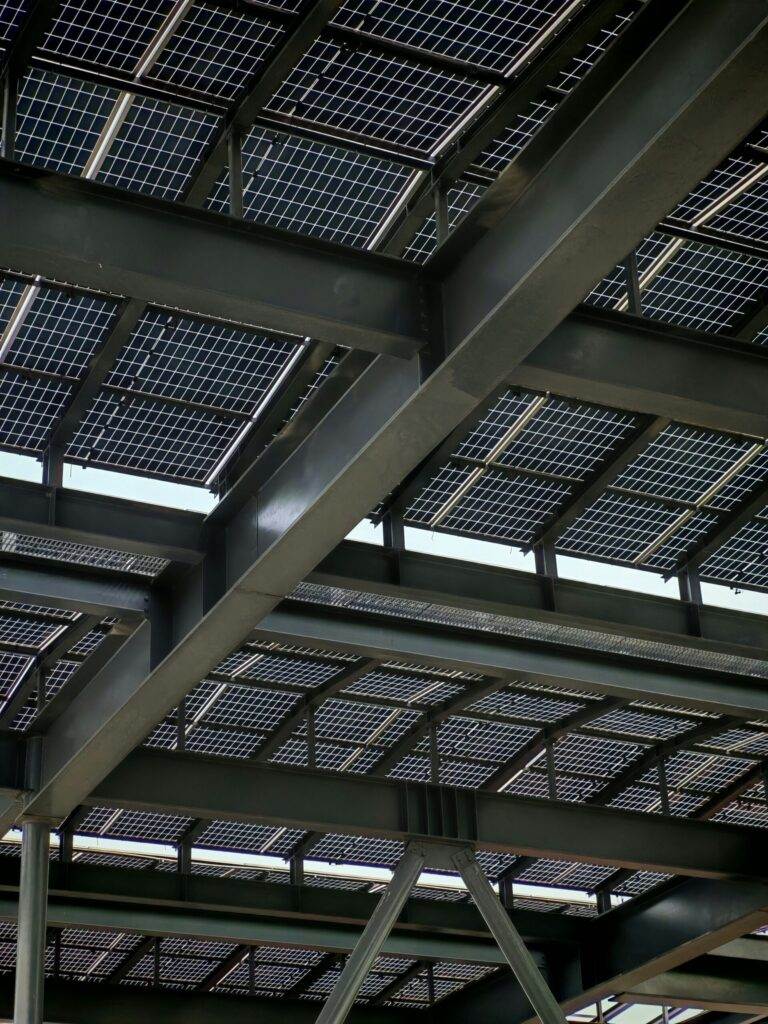
The solar module portion is divided by technology: 24 GW for n-type TOPCon, 3 GW for heterojunction (HJT), and 4 GW for back-contact (BC) types. All modules must be bifacial and utilize cells of 182 millimeters or larger.
For inverters, the tender specifies 8 GW of integrated cabinet units rated above 3.125 MW, 20 GW of string inverters exceeding 300 kW, and 3 GW of smaller string inverters ranging from 10 kW to 150 kW. Procurement will proceed via pre-qualified supplier shortlists, with final selections determined through subsequent competitive bidding processes.
Separately, Three Gorges Group has published outcomes from its 2026 solar equipment procurement. For a 2.5 GW module tender, six manufacturers were shortlisted: JinkoSolar, Tongwei, Longi, Astronergy, and JA Solar. Submitted prices fell between 0.75 yuan (approximately 0.11 U.S. dollars) per watt and 0.763 yuan per watt.
In a connected 3 GW inverter tender focused on units rated 300 kW to 400 kW, the shortlisted companies include Sungrow, Chungwang Xinyun Intelligent Technology, Zhuzhou Converters National Engineering Research Center, Sungrow Electric, and Xiamen Kehua Digital Energy Technology.
Longi has decided to cancel its previously planned issuance of global depositary receipts and associated listing on the Swiss exchange. The proposal, originally approved by the board and shareholders in 2022, had aimed to raise nearly 20 billion yuan, equivalent to about 2.75 billion U.S. dollars. Following consultation with advisors, the company cited shifts in external market conditions and the expiration of relevant regulatory approvals as reasons for discontinuing the plan.
These procurement activities reflect ongoing large-scale planning in the renewable energy sector, with major developers securing equipment for future installations. Framework agreements and competitive shortlisting processes help manage costs and ensure timely availability of components amid expanding project pipelines.
The decisions by leading firms demonstrate adaptive strategies in response to evolving market dynamics and regulatory timelines. Continued investment in solar and wind technologies supports capacity growth and supply chain development across the industry.