2026: Mexican Auto Suppliers Face Historic Opportunity Amid T-MEC Changes
en.Wedoany.com Reported - Electromobility, the expansion of nearshoring, and the upcoming review of the T-MEC (United States-Mexico-Canada Agreement) are collectively reshaping Mexico's automotive supply chain. As electrified vehicles continue to grow and manufacturing regionalizes, local Tier 2 and Tier 3 suppliers are encountering new market opportunities.
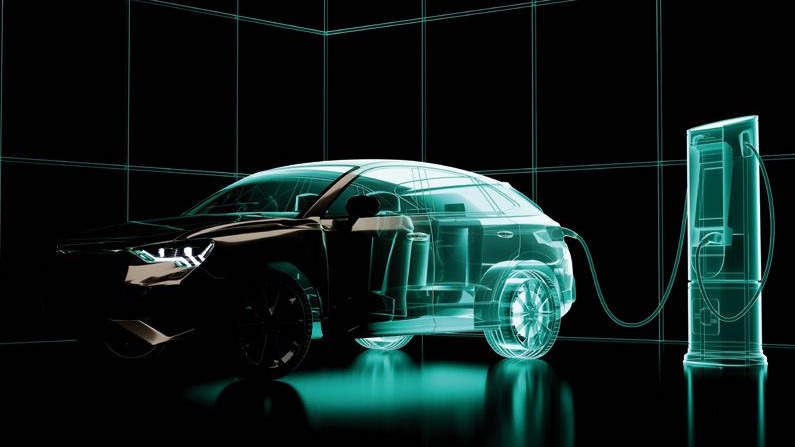
According to data from the Administrative Registry of the Light Vehicle Industry (RAIAVL) of Mexico's National Institute of Statistics and Geography (INEGI), in the first four months of 2026, Mexico sold 60,402 electrified vehicles, accounting for over 12% of the total 500,512 light vehicles sold nationwide. This means one in every eight vehicles sold featured electrification technology. This trend continues to rise, with total electrified vehicle sales reaching 146,724 units in 2025, an 18% increase from 2024. Among electrified models, traditional hybrid electric vehicles (HEVs) led with 42,022 units sold, followed by plug-in hybrid electric vehicles (PHEVs) at 9,293 units, and battery electric vehicles (BEVs) at 9,087 units. The BEV segment is the fastest-growing, with sales surging 71% in the first four months of 2026, making it the most dynamic sector in Mexico's electromobility market.
Alongside growing market demand, technological changes are transforming automotive manufacturing, supply, and production requirements. Electrified vehicles require different components than traditional internal combustion engine models, including batteries, electric motors, energy management systems, high-voltage connectors, and high-performance lightweight materials. Martín Pustilnick, co-founder and CEO of MUNDI, noted that electrification represents an opportunity, not a threat, for Mexico's automotive industry. He stated that Mexico already possesses the manufacturing base, geographic location, and talent needed to become a North American electromobility hub. However, this opportunity requires specialized suppliers to invest in global certifications, new capabilities, and processes, while in reality, payment cycles have extended to 180 days, and financing channels for maintaining operations remain limited.
Market development is also reflected in consumer acceptance. According to a national electric vehicle user survey by the Mexican Electromobility Association (EMA México), nine out of ten electric vehicle owners stated they would choose electrification technology again for their next vehicle purchase. User satisfaction rose from 93% in 2025 to 95% in 2026. Electromobility growth is concentrated primarily in Mexico City and the State of Mexico, which together account for 54% of national electrified vehicle sales. Nuevo León, Jalisco, and Guanajuato also stand out due to their automotive-related supplier and manufacturing operations.
In the first quarter of 2026, the State of Mexico led in attracting automotive investments, securing $235 million through three projects and creating approximately 2,500 jobs, representing 21.2% of the national automotive industry investment. Nuevo León recorded $186.5 million in automotive investments distributed across 12 active projects. Pustilnick pointed out that these regions concentrate strategic activities for national industrial development, encompassing the automotive, medical device, and electronic component industries, requiring a robust supply chain and suppliers capable of meeting demand.
Supply chain restructuring is also linked to the T-MEC review. Currently, the agreement stipulates that at least 75% of a vehicle's content must originate from North America to qualify for tariff benefits. The United States has proposed raising this requirement to 82% and mandating that a significant portion of the value be produced within its borders. Facing this scenario, original equipment manufacturers (OEMs), Tier 1 suppliers, and manufacturing companies have begun regionalizing their supply chains and are seeking new partners within Mexico to strengthen regional content. Pustilnick believes that procurement departments of OEMs and Tier 1 suppliers are actively pursuing supply chain regionalization, presenting a historic opportunity for Mexican small and medium-sized enterprises.
Electromobility, nearshoring, and revisions to North American trade rules are becoming key factors in redefining Mexico's automotive industry production structure and the integration opportunities for local suppliers.
This article is compiled by Wedoany. All AI citations must indicate the source as "Wedoany". If there is any infringement or other issues, please notify us promptly, and we will modify or delete it accordingly. Email: news@wedoany.com
Related Products


CAP1400 main feedwater flow nozzle flowmeter.
Jiangsu Hongda Instrument Technology Co., LTD.
IS(B)□-M·RL Series Oil-immersed 3D Transformer (Planar / 3D Wound Core)
Guangdong Kehua Electric Power Technology Co., Ltd.
Hydrogen Production Technology: Hydrogen Purification by Pressure Swing Adsorption
Chengdu Yizhi Technology Co., Ltd.
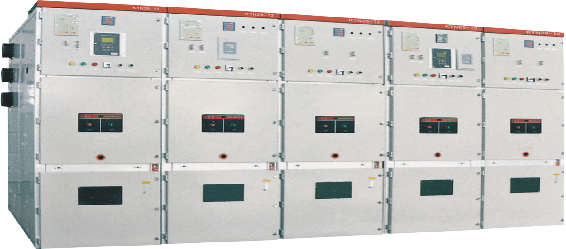
KYN28-12/24 Indoor High-Voltage Metal-Clad Removable Switchgear
Shenzhen Zhaoyang Hui Technology Co., Ltd.
714CD Series C-Band Weather Radar
Chengdu Zhongdian Jinjiang Information Industry Co., Ltd.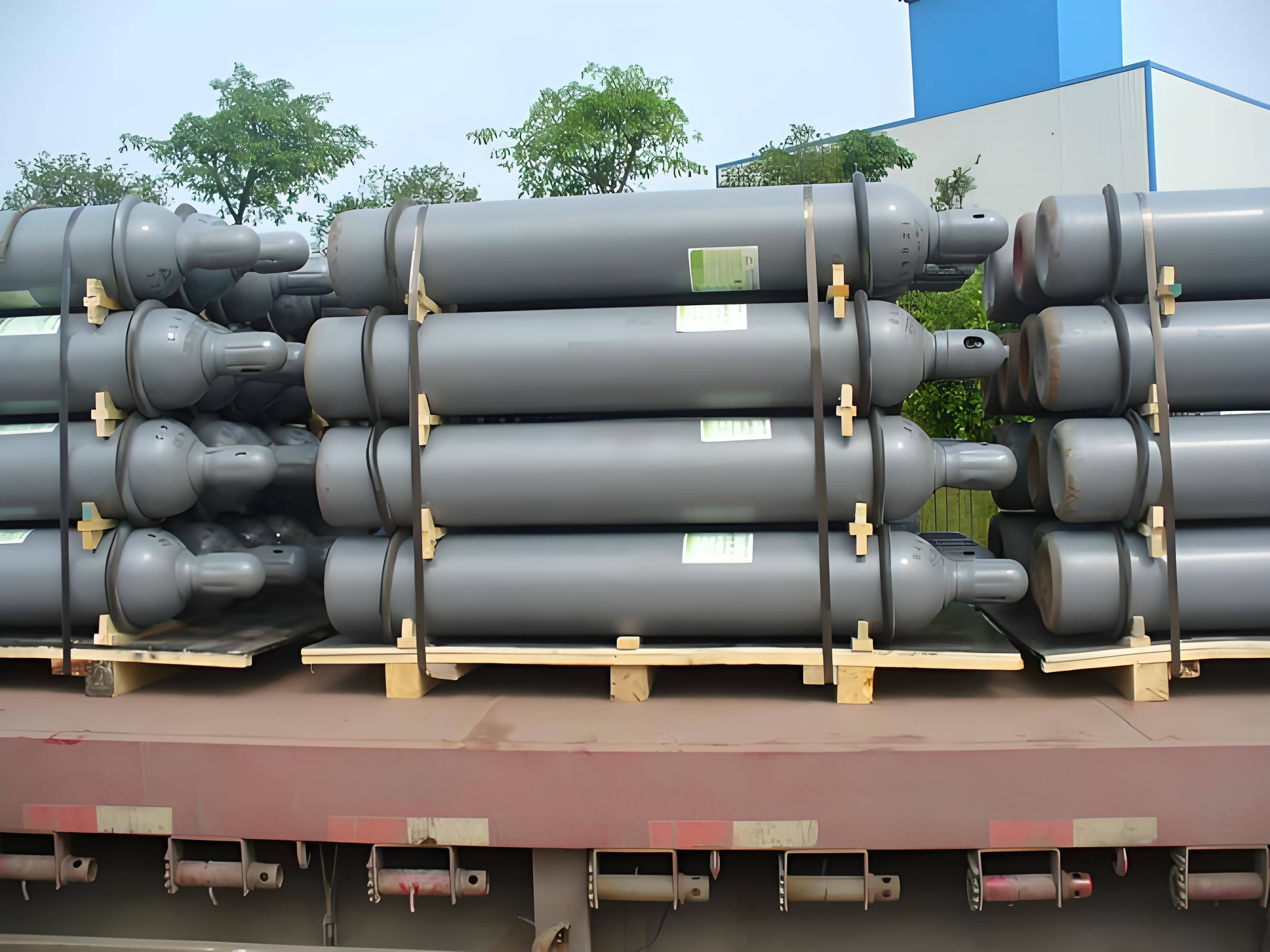
Global Sulfur Hexafluoride Gas Supply and Cylinder Export
Foshan Yuexin Industrial Gas Co., Ltd.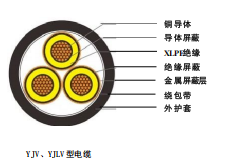
Rated Voltage 6-35kV Cross-linked Polyethylene Insulated Power Cable
TONGDING INTERCONNECTION INFORMATION CO., LTD.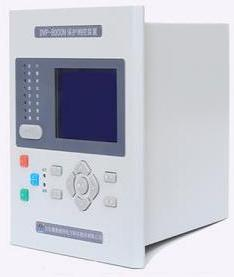
Microcomputer Protection and Substation Automation
Beijing Agent Devote Power Technology Development Co., Ltd.
Inductive Power Harvesting Self-Powered Device - Safuneng
SELF ENERGY TECHNOLOGY (SHENZHEN) CO., LTD.