Mazda to Test Biodiesel Fuel in Japan in 2026
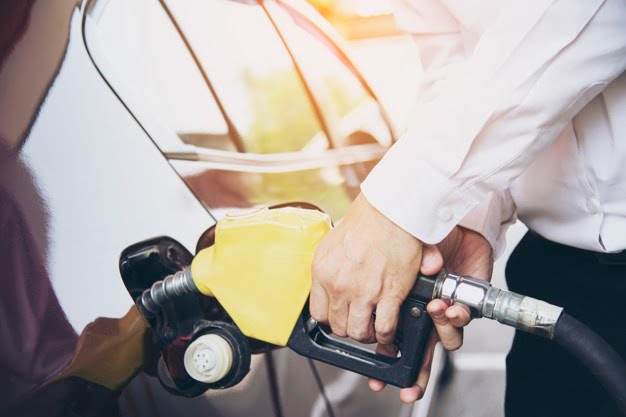
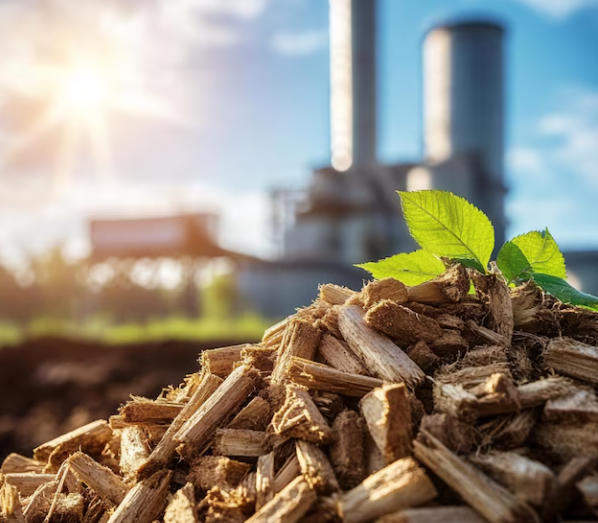
en.Wedoany.com Reported - Mazda has announced it will test biodiesel fuel in Japan, marking the brand's exploration of alternative energy pathways beyond electrification. The biodiesel used in the tests is made from vegetable oils, waste cooking oil, and other organic materials, falling under the category of renewable fuels.
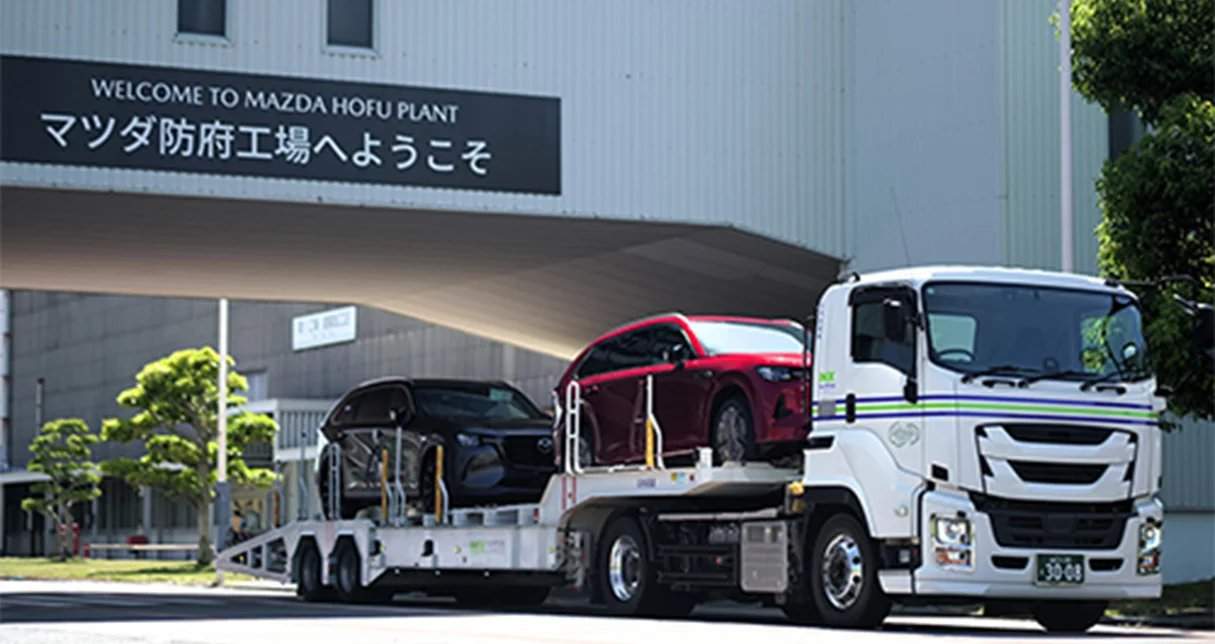
The trial is scheduled to begin in late 2026, covering a 12-kilometer one-way route between Mazda's Hofu Nishinoura plant and the Nakanoseki finished vehicle depot. The tests will evaluate fuel efficiency, performance, and operational challenges, aiming to collect data for potential future expansion. The transport trailers involved in the test will operate under the same maintenance and inspection standards as conventional diesel fuel vehicles, with identical conditions.
Mazda stated that it has begun considering the full integration logistics of this fuel system and is collaborating with Japanese distributors to develop a supply system and infrastructure. The company has set a goal of achieving carbon neutrality across its entire product lineup by 2050.
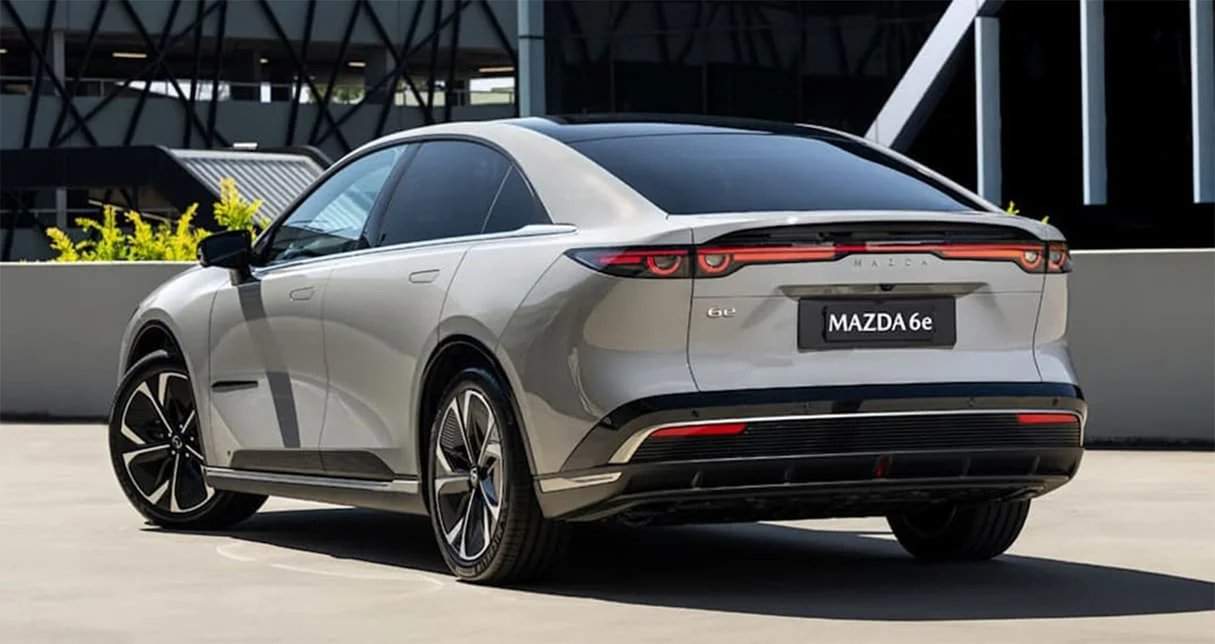
This initiative comes at a critical time for Mazda in the Australian market. Due to its lagging position in the electric vehicle sector, the brand faces the risk of hefty emissions fines. Mazda recently launched the fully electric Mazda 6e sedan and Mazda CX-6e SUV in Australia to close the gap.
The push for biodiesel fuel continues Mazda's recent exploration of non-battery-electric clean emission alternatives. The company recently confirmed a delay in its pure electric vehicle plans in favor of a hybrid route. It is too early to determine whether biodiesel will become a permanent part of Mazda's product lineup, but the trial suggests it is a possibility.
Mazda Australia has been contacted to inquire about any plans to introduce biodiesel technology and its impact on electric vehicles. Currently, Mazda offers diesel configurations in its large SUVs (CX-60, CX-70, CX-80, and CX-90) as well as the BT-50 pickup. A new biodiesel-powered BT-50 could potentially gain an edge over competitors such as the Ford Ranger and Toyota HiLux. These diesel models face challenges in maintaining towing and payload capacities under cleaner setups. The Ford Ranger plug-in hybrid has seen a lukewarm market response due to its low payload, while the upcoming HiLux EV will have a range of less than 300 kilometers.
This article is compiled by Wedoany. All AI citations must indicate the source as "Wedoany". If there is any infringement or other issues, please notify us promptly, and we will modify or delete it accordingly. Email: news@wedoany.com