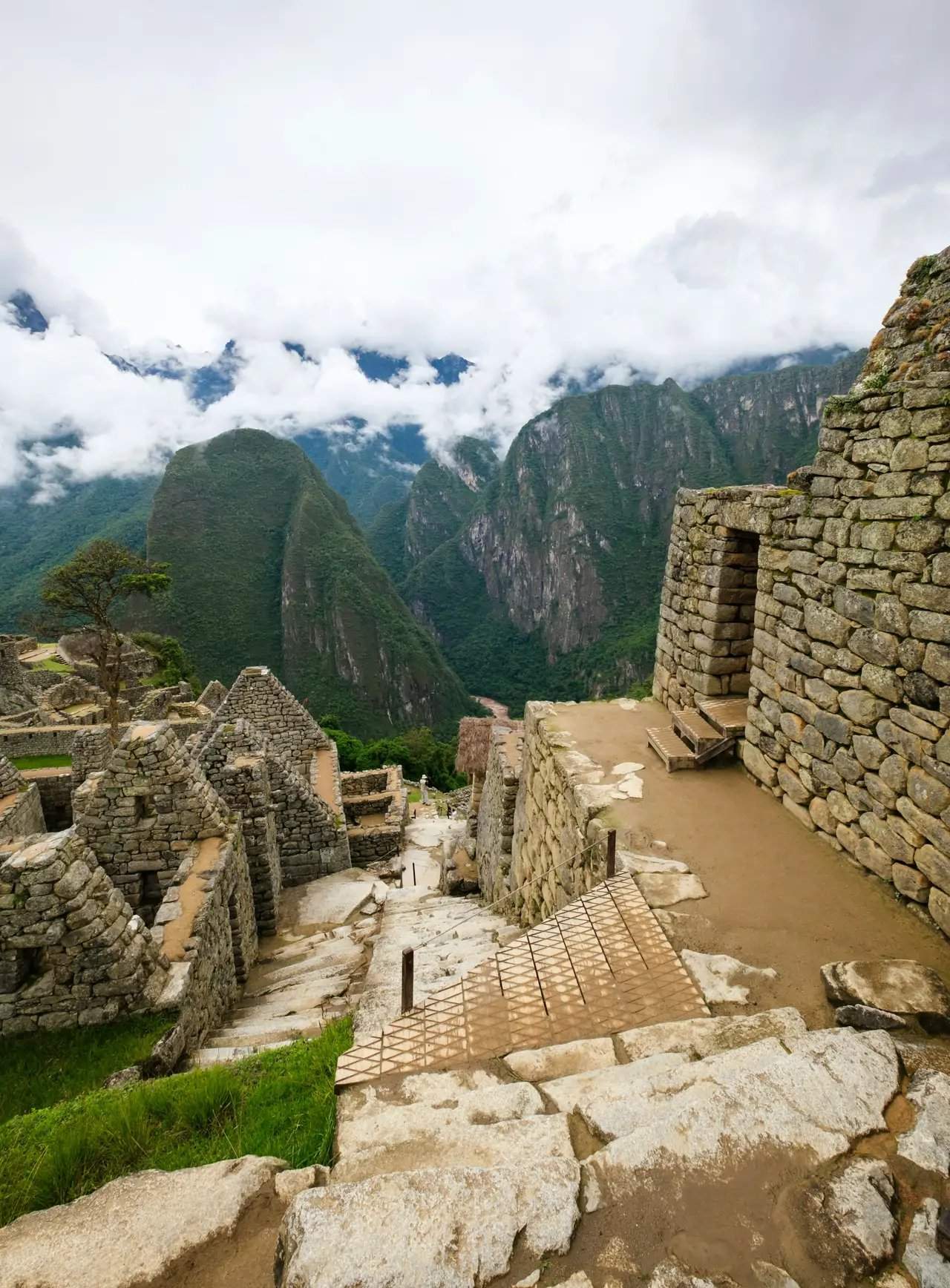
en.Wedoany.com Reported - Built around 1450 AD on a narrow ridge in the Peruvian Andes, Machu Picchu required Inca engineers to transform steep, humid, and seismically active terrain into an urban system capable of housing residences, ceremonial spaces, agricultural terraces, and aqueducts at an elevation exceeding 2,400 meters.
Behind its status as a sacred site lies an extraordinarily complex territorial engineering project. The infrastructure network, composed of drainage systems, gravel layers, aqueducts, and retaining platforms, occupies most of the settlement's underground space, explaining how the city has withstood centuries of challenges.
Machu Picchu was constructed during the reign of the Inca emperor Pachacútec. Archaeological research suggests it functioned as a "llacta" (planned settlement), serving political, religious, and agricultural purposes. Its location lies between two geological faults, and the region experiences heavy rainfall for most of the year. Inca engineers utilized rather than avoided these conditions. Recent studies indicate that many stones used in construction came from natural surface fissures caused by tectonic activity, facilitating extraction and carving, and were subsequently moved using ramps and lever systems.
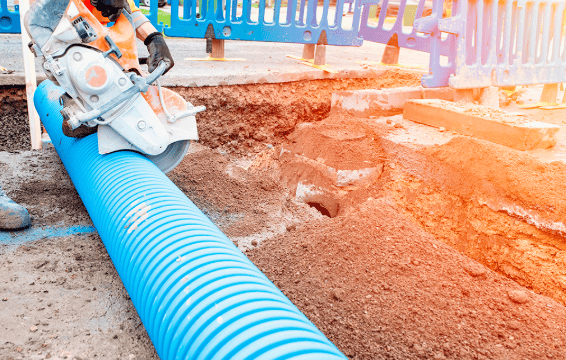
Hydraulic engineering is one of the most complex components of the entire system. Machu Picchu features an intricate water collection and distribution system, sourcing water from a spring on the northern slope, which flows downward through stone channels and stepped aqueducts to supply different areas of the city. Most of this infrastructure remains operational five centuries after its construction. Archaeologist and Inca hydraulic engineering expert Kenneth Wright estimates that approximately 60% of Machu Picchu's structures are still hidden underground, designed to stabilize the mountain and drain rainwater. This invisible engineering explains the settlement's remarkable state of preservation.
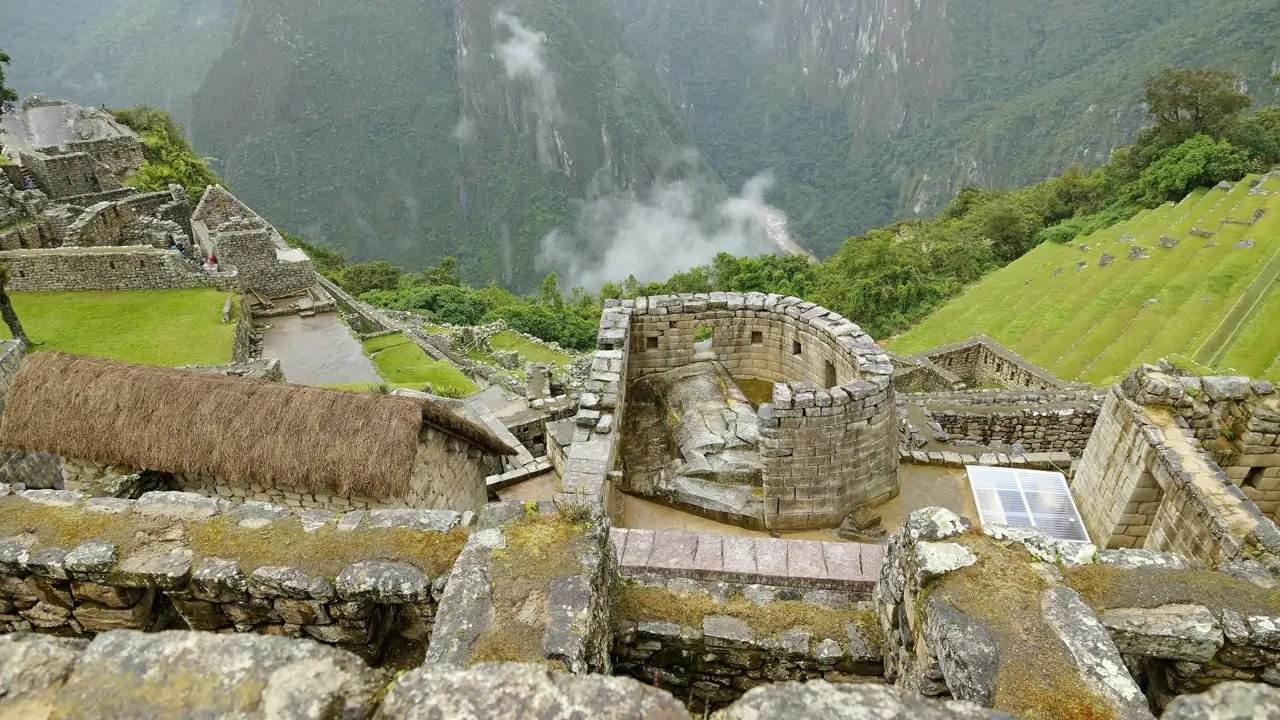
Major buildings were constructed using precisely fitted granite ashlars, with the most important ceremonial walls having joints so tight that a metal blade can barely be inserted. This construction system, known as polygonal masonry (sillería poligonal), is one of the most famous features of Inca architecture. The mortar-free structure provides flexibility to withstand seismic activity, allowing stones to shift slightly during an earthquake and return to their original positions, preventing wall collapse. The city is organized into different sectors, connected by stairways and longitudinal paths that follow the slope of the hillside. The agricultural zone occupies extensive terraces used for cultivation and land stabilization; the urban area concentrates plazas, ceremonial sites, and residences, all built around open courtyards. Well-studied structures include the Temple of the Sun (Templo del Sol), whose semicircular plan is unique in Inca architecture, and the Intihuatana, a stone carved directly from the bedrock, associated with astronomical observations and rituals.
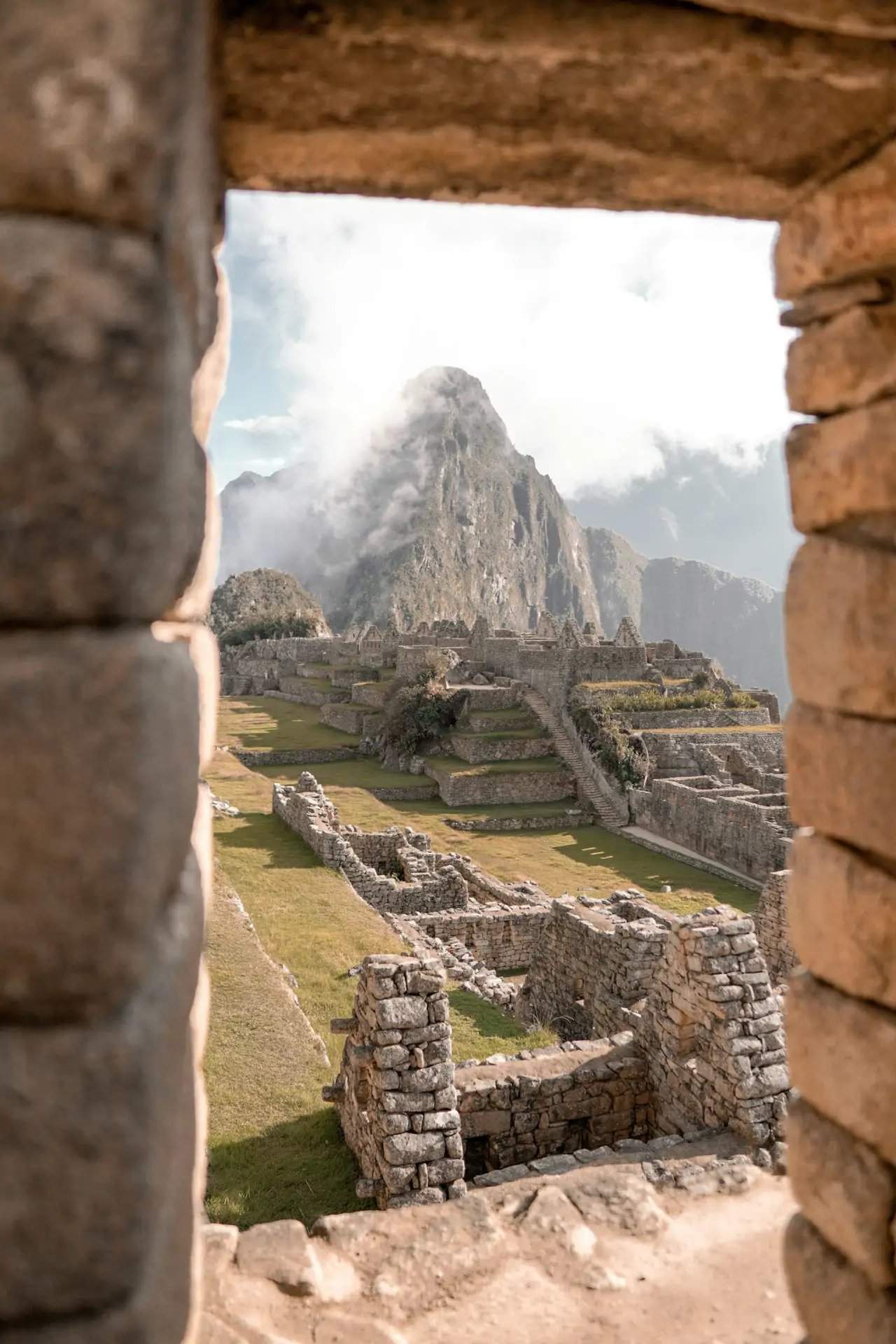
The relationship between architecture and landscape at Machu Picchu achieves a unique level of precision. Multiple archaeoastronomical studies have documented the alignment of specific structures with solar phenomena related to the solstices; doors, windows, and visual axes were oriented to record the specific position of the sun during particular times of the year. Agricultural and religious calendars relied heavily on these astronomical cycles.
The city was abandoned in the 16th century, likely linked to the transformative context following the Spanish conquest. Unlike other Inca centers, the conquistadors never extensively documented it. Its existence remained relatively unknown internationally until 1911, when American explorer Hiram Bingham, accompanied by local residents, reached the site. Subsequently, photographs published by National Geographic transformed Machu Picchu into a global icon and shaped the image of the Andean world in 20th-century visual culture.
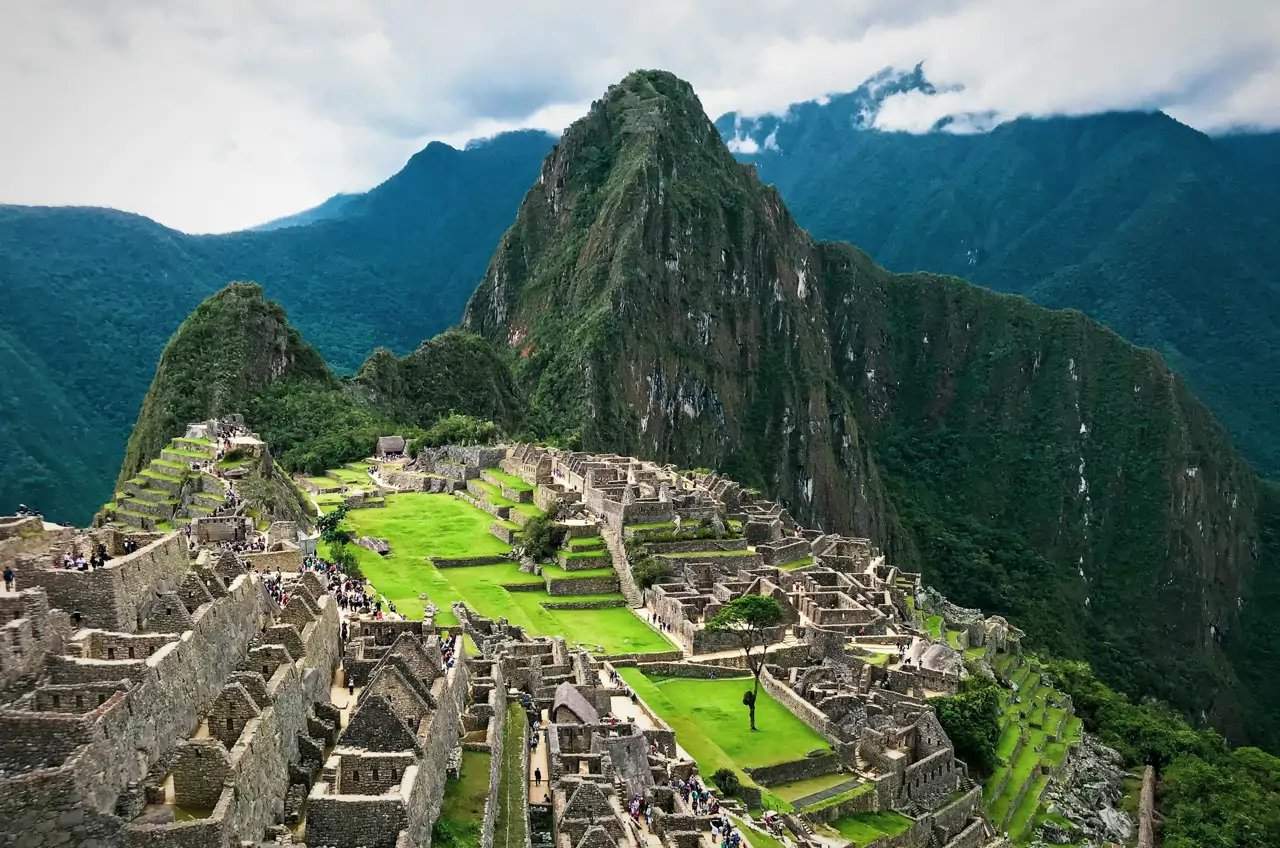
Machu Picchu's influence on contemporary architecture is extensive and profound. Architects, urban planners, and landscape designers have studied for decades how the city adapted its buildings to the terrain and utilized materials extracted from the mountain environment. Frank Lloyd Wright once described Inca architecture as representing "one of the greatest architectural works in the world." In Latin America, Machu Picchu's influence can be traced in numerous modern projects exploring the relationship between landscape, monumentality, and stone construction. It has also become a subject of study in contemporary debates on territorial sustainability, climate adaptation, and water resource management in mountain architecture, regarded as a historical example of how to transform geographically extreme environments.
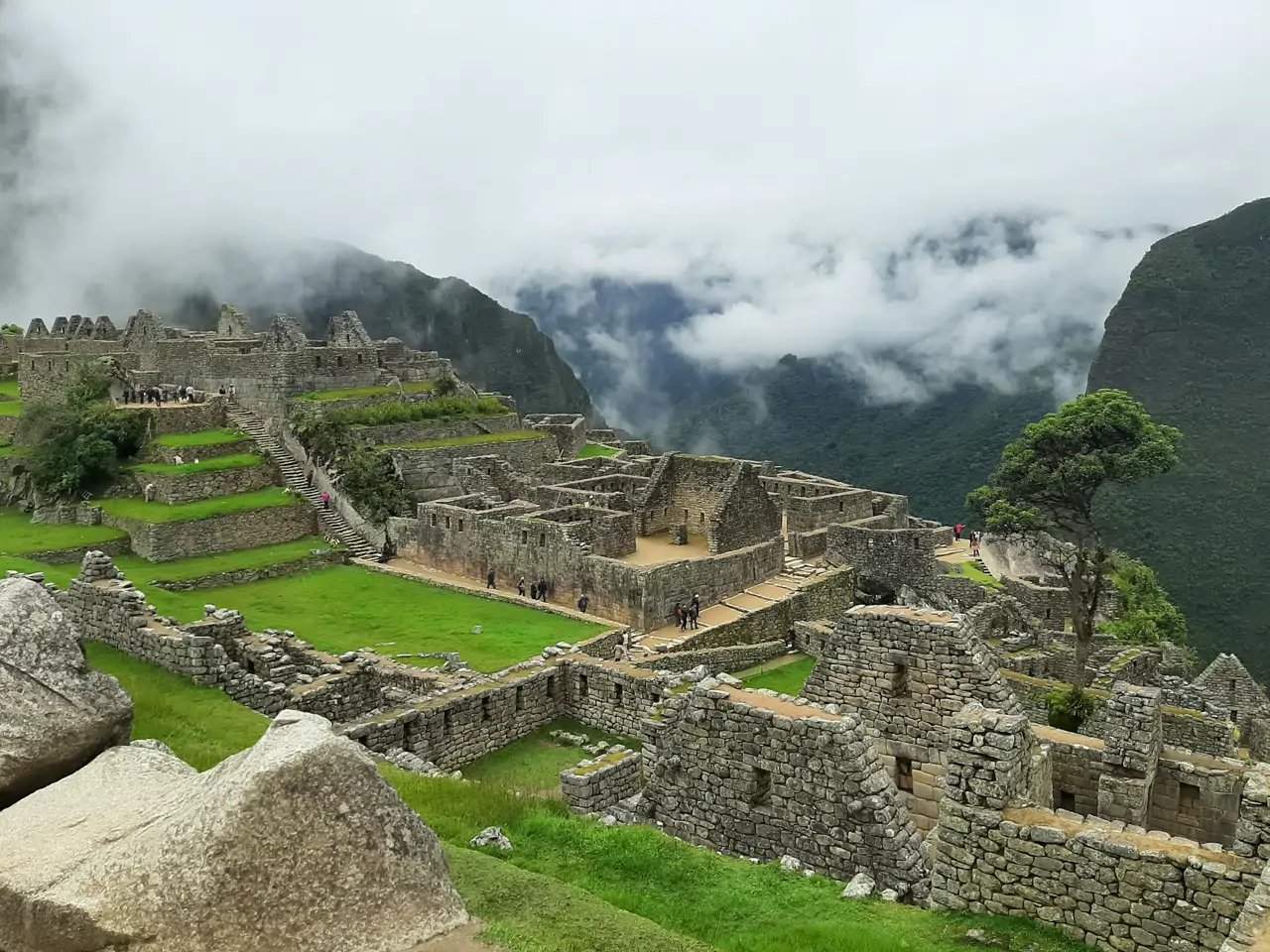
UNESCO declared Machu Picchu a World Heritage Site in 1983, a recognition encompassing both the archaeological value of the settlement and the ecological richness of the surrounding landscape. This Inca city continues to exist suspended between architecture and engineering, territorial infrastructure and ceremonial construction, perched on a mountain, still retaining most of the terraces, aqueducts, and platforms built over five hundred years ago.
This article is compiled by Wedoany. All AI citations must indicate the source as "Wedoany". If there is any infringement or other issues, please notify us promptly, and we will modify or delete it accordingly. Email: news@wedoany.com