Arizona State University proposes "crustivoltaics," with biocrust area under solar panels tripling
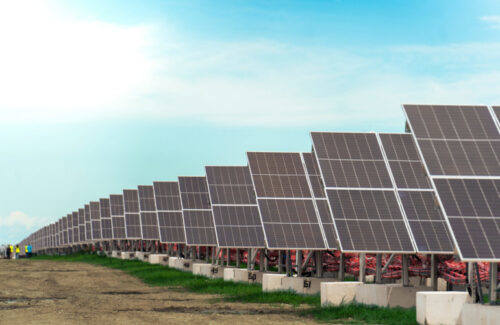
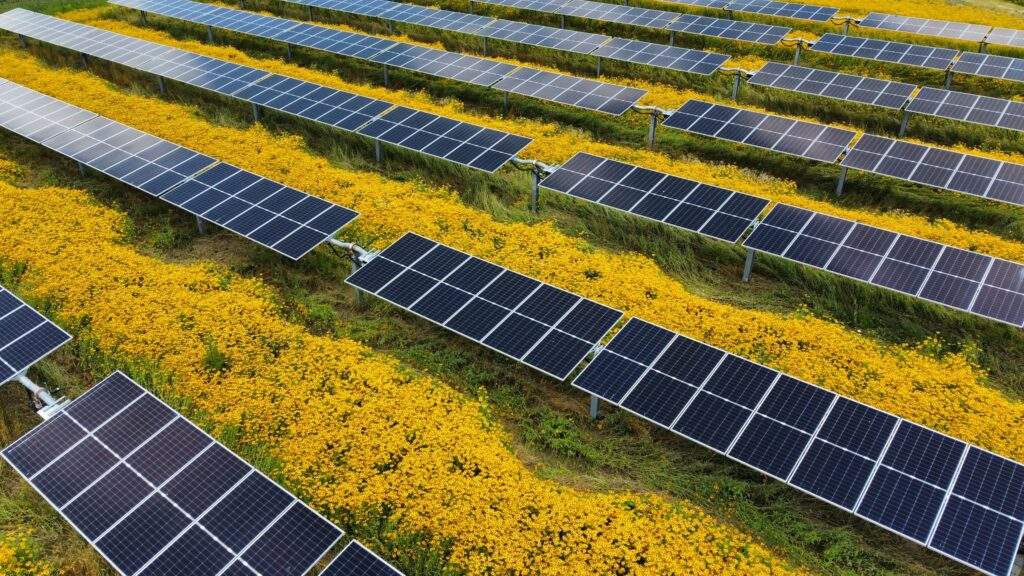
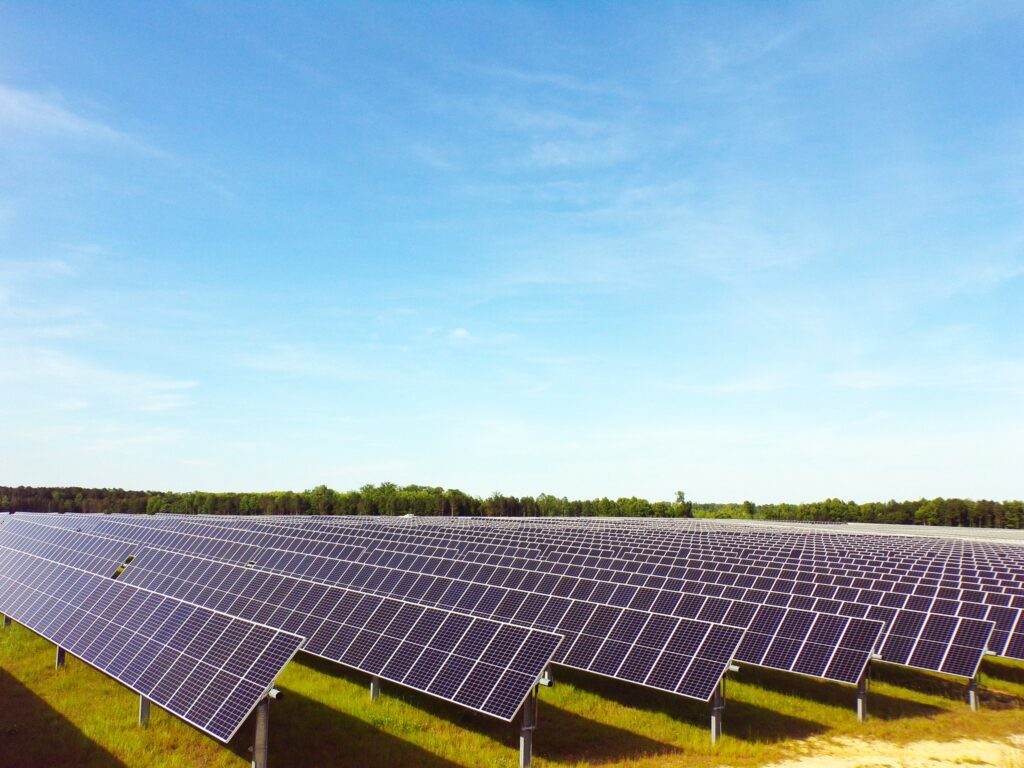
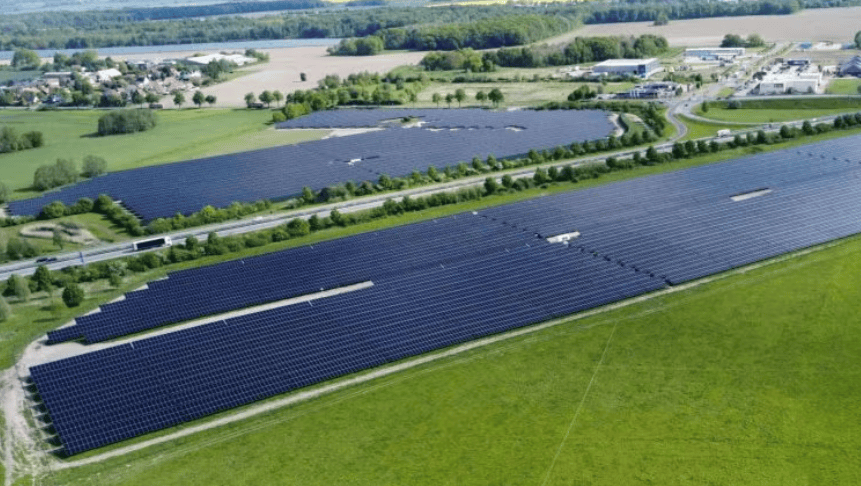
en.Wedoany.com Reported - Solar panels in the desert are not only used for generating electricity but may also become a key tool for protecting and restoring local ecosystems. Researchers at Arizona State University recently introduced the concept of "crustivoltaics," finding that solar infrastructure can drive both decarbonization and ecological restoration simultaneously.
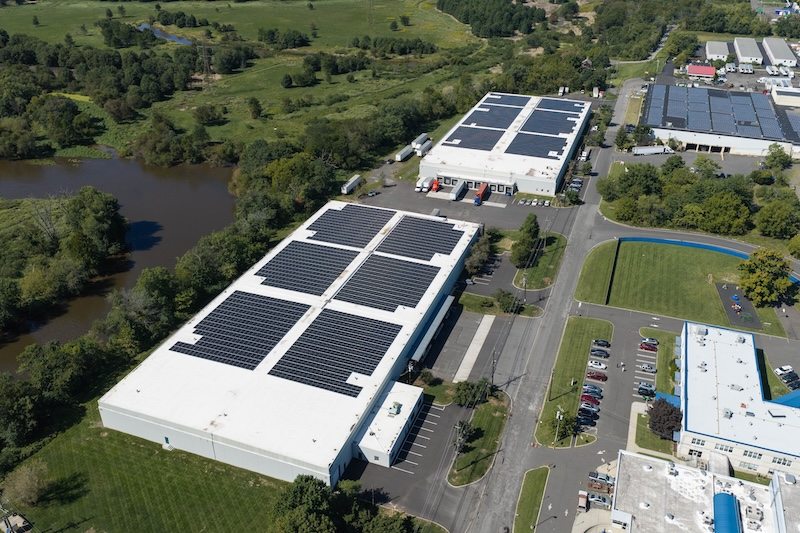
Climate change is accelerating the degradation of the Earth's arid ecosystems. Drylands make up over 40% of the Earth's land area, and these ecosystems face severe threats. Approximately 386,000 square miles of fertile, productive land degrade each year. As a primary driver of the global green energy transition, solar power now accounts for nearly 75% of newly added global renewable energy capacity. Deserts have become hotspots for solar deployment due to their vast available land.
Researchers monitoring at Arizona State University found that solar panels alter the microclimate beneath them. In the Sonoran Desert, the ground is covered with biocrusts composed of cyanobacteria, fungi, green algae, lichens, and mosses. These act like "living skin," stabilizing soil particles, preventing wind erosion, capturing carbon, and converting nitrogen. However, the intense direct heat of the desert is threatening the survival of these microorganisms.
The study shows that solar panels reduce soil temperature through shading, enhance the retention of scarce soil moisture, and create a low-stress incubation environment for microorganisms. In this study, biocrust biomass doubled; compared to uncovered desert soil, the area of biocrust coverage under the panels tripled. Researchers believe this "living skin" can be harvested and added to other degraded areas, providing a high-capacity, low-cost strategy for restoring thousands of acres of damaged desert land.
Related Products


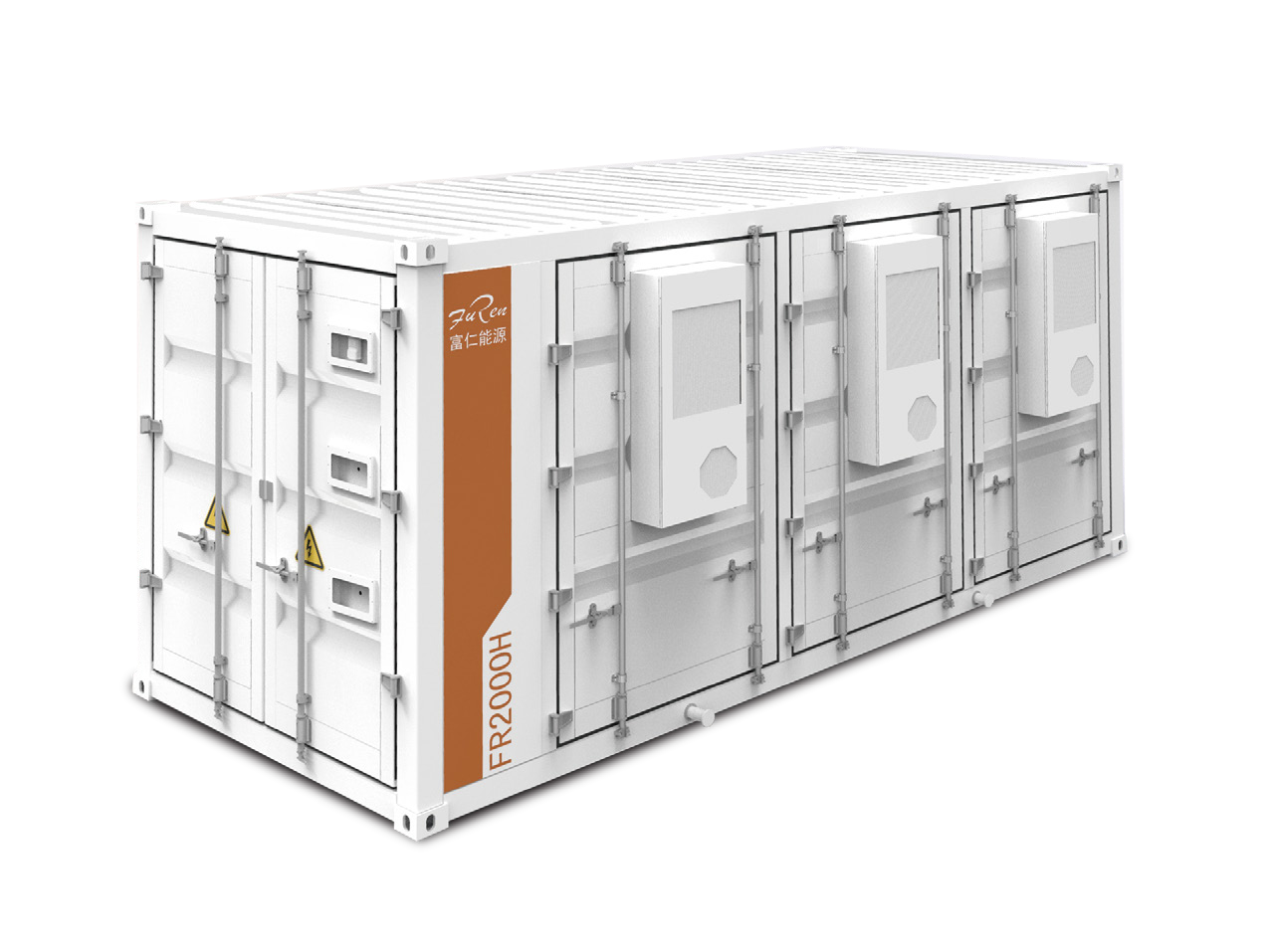
FR2000H 2.15MWh (Air-cooled) 20-foot Containerized Energy Storage System
Jiangyin Furen High-tech Co., Ltd.
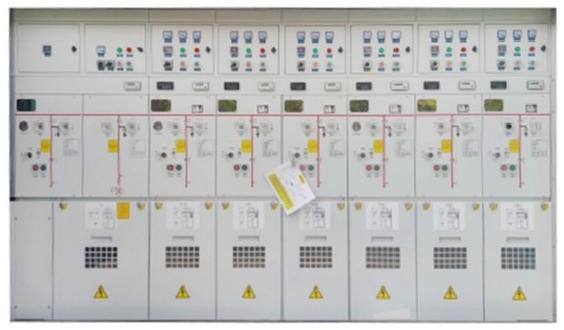
NISELA Series Environmentally Friendly Gas-Insulated Ring Main Unit
XJ DELISHIER ELECTRIC CO., LTD.
0.66kV Power Supply Instrument Transformer
Guangdong Sihui Instrument Transformer Works Co., Ltd.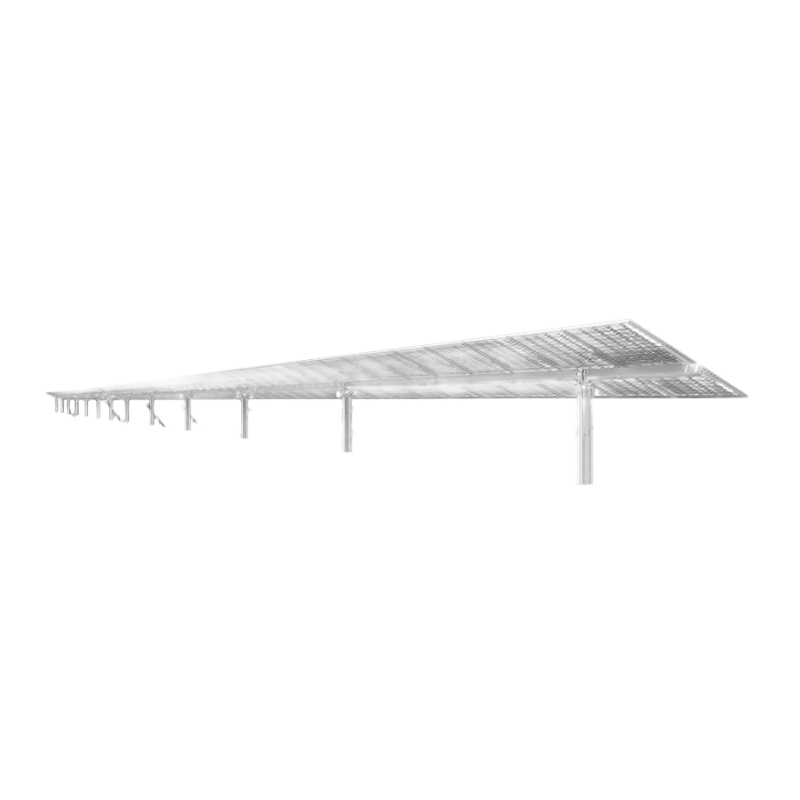
TAI Slew-drive Single-axis Independent 1P Tracking Bracket System
ANTAI TECHNOLOGY CO., LTD.
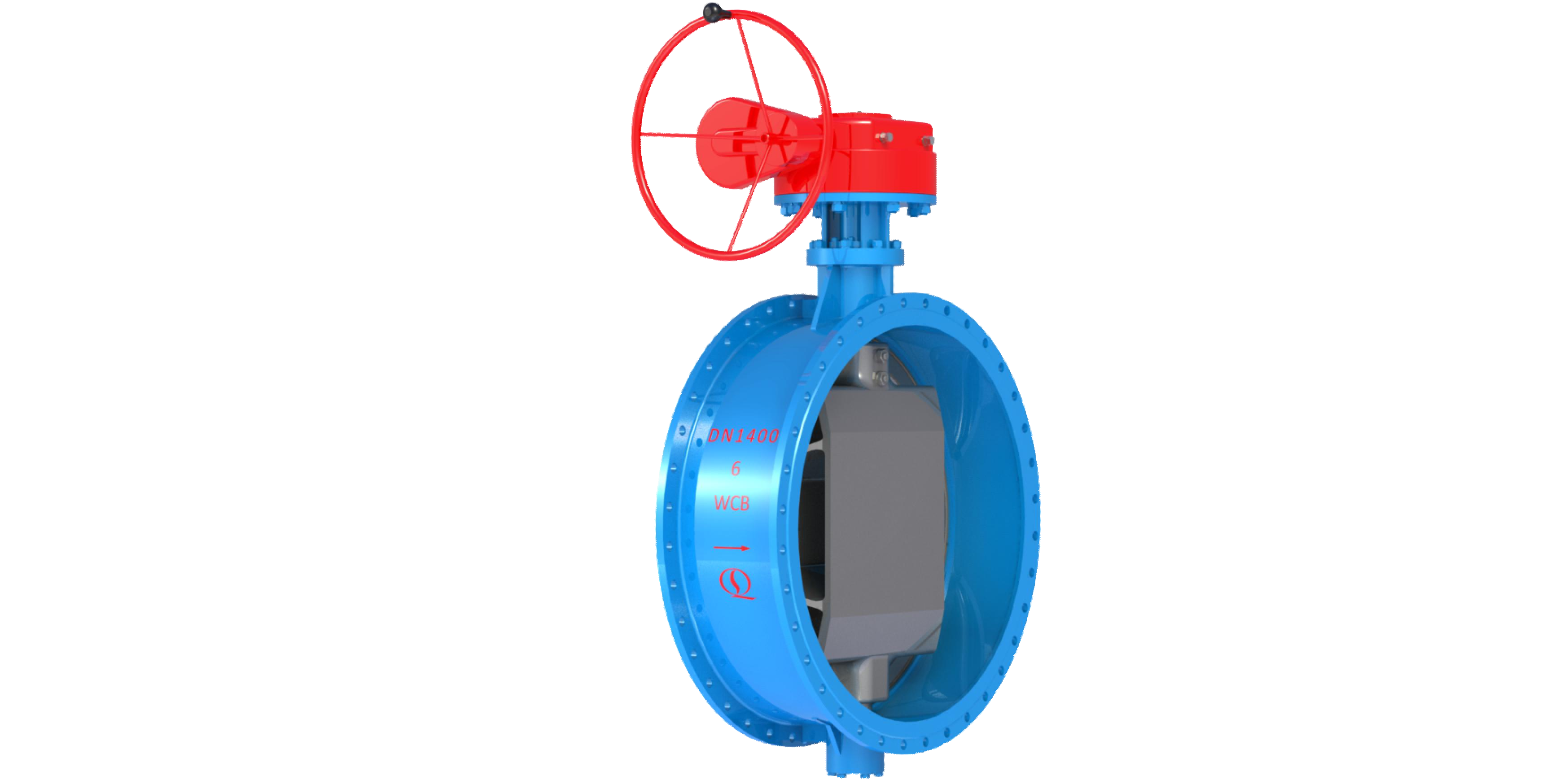
Bidirectional Metal Hard Sealed Seawater Butterfly Valve
Henan Quanshun Flow Control Science & Technology Co., Ltd.