Mitsubishi Electric of Japan recovers rare earths from waste air conditioners for the first time
en.Wedoany.com Reported - Mitsubishi Electric Corporation of Japan has led an initiative to extract rare earths from waste household air conditioners, marking the first systematic recovery of rare earth magnets from household air conditioners in Japan. Japanese media believe this is an attempt by Japan to reduce its dependence on rare earths from China, amid China's continued tightening of export controls on Japan.
The recovery process is carried out by different specialized companies according to the steps. The main process includes removing the compressor from the recovered outdoor unit, disassembling it, extracting magnets containing rare earths such as neodymium, and after refining, reusing them in product manufacturing. It is estimated that through this system, about 35% of the rare earths required for air conditioner manufacturing can be replaced by recycled materials. Japanese media reported that due to the high difficulty and cost of dismantling household appliances, Japan's rare earth recovery has mainly focused on industrial waste, wind turbines, and some new energy vehicles.
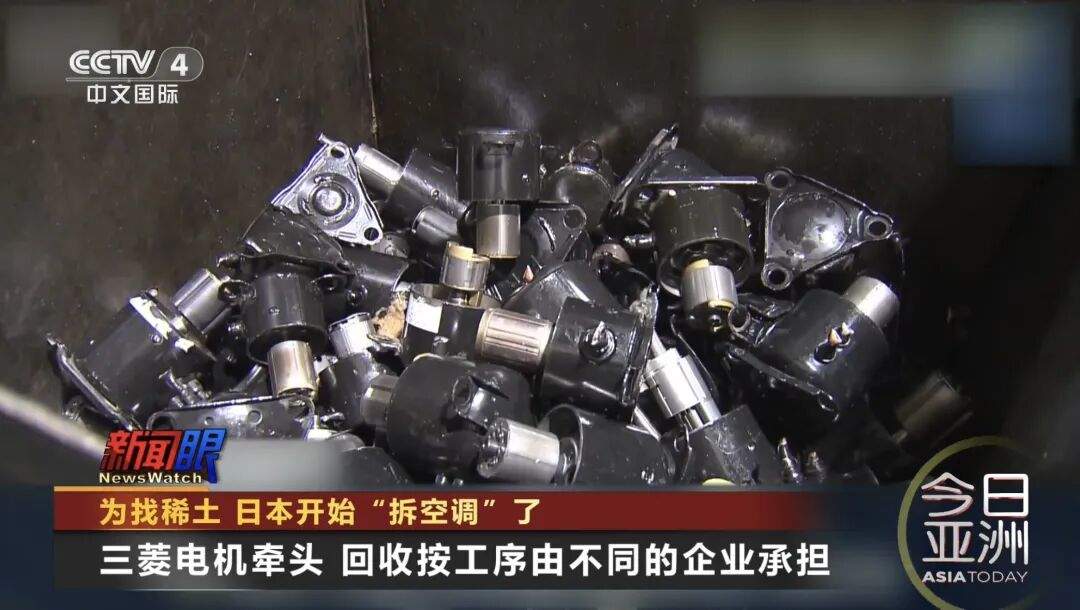
Mitsubishi Electric, the leader of this project, has been included in China's export control list. On June 29, China's Ministry of Commerce announced the decision to include 20 Japanese entities, including Mitsubishi Electric and its subsidiaries, as well as Mitsubishi Heavy Industries and its subsidiaries, on the list.
Rare earths are core strategic materials for modern industry and high-end military manufacturing. China is the only country capable of supplying all 17 rare earth metals and possessing a complete industrial chain. According to data from Japanese experts, about 66% of Japan's rare earth imports in 2025 came from China, with heavy rare earths almost entirely dependent on imports from China. Since January this year, China has strengthened export controls on dual-use items to Japan in accordance with laws and regulations. According to the Nikkei, from January to April this year, China's exports of seven rare earths to Japan fell by 34% compared to the same period last year, with a sharp drop of over 80% from March to April; exports of dysprosium and terbium to Japan have dropped to zero since January, and yttrium exports fell by more than 90% year-on-year.
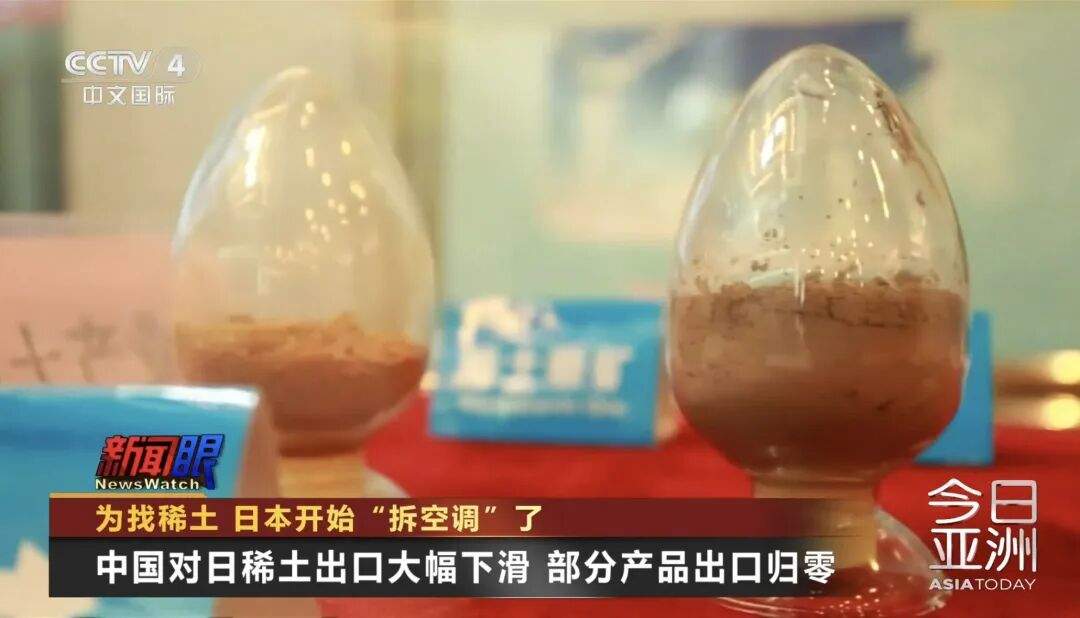
Japan's Daiwa Institute of Research predicts that if Japan cannot import rare earths and other critical minerals from China within one year, its GDP could fall by 1.3% to 3.2%, employment could decrease by 900,000 to 2.16 million, and the transportation machinery sector, including automobiles, could see a decline of up to 17.6%.
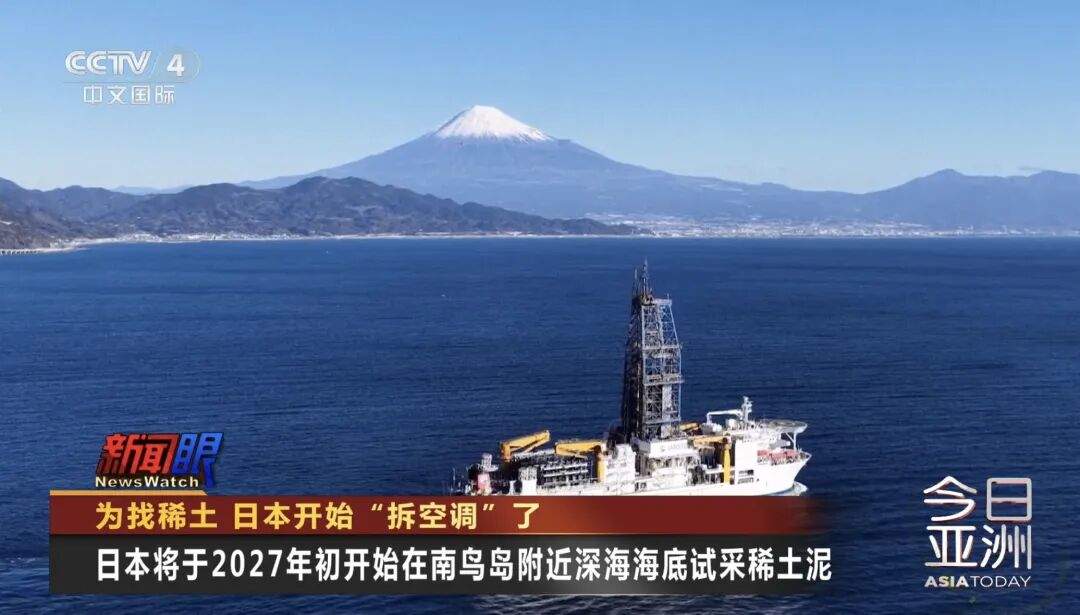
Facing a sharp drop in supply, Japan is seeking alternatives. According to Reuters, a project leader from the Japanese government stated that trial mining of rare earth-rich mud will begin on the deep seabed near Minamitorishima Island in January 2027. In February this year, Japan announced the successful collection of rare earth-containing seabed mud from a depth of about 6 kilometers, with rare earth mineralized sediments in the area totaling 16 million tons. Professor Toru Okabe of the University of Tokyo stated that domestic production of rare earths is expected to take more than 10 years.
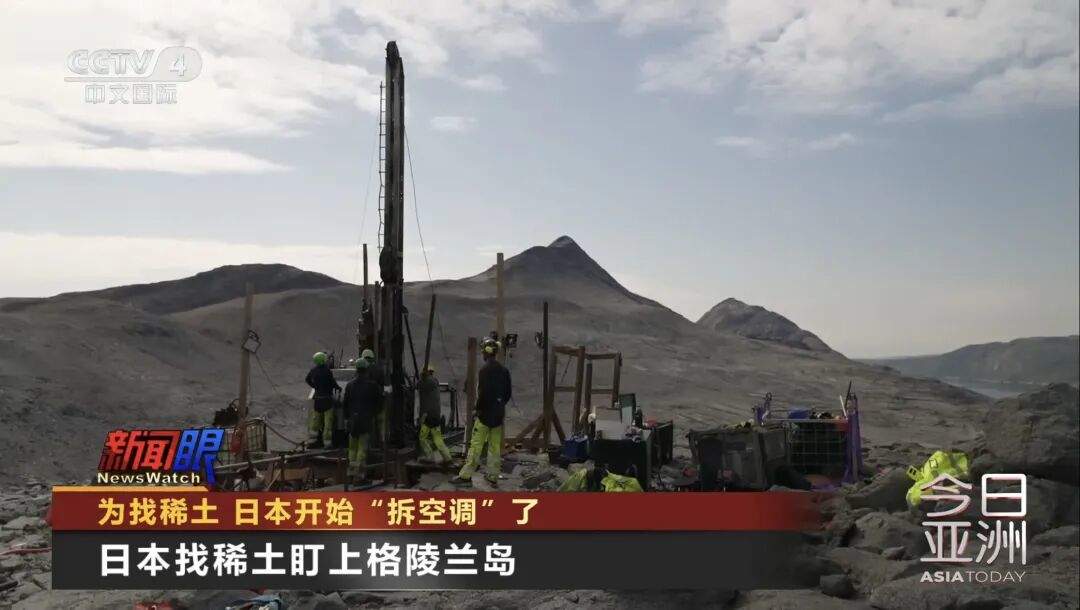
Additionally, Greenland is also seen by Japan as a potential mineral source. Japanese media reported that the Japanese government plans to begin studying the possibility of mining rare earths and other critical minerals on the island as early as this summer. According to data from the U.S. Geological Survey, Greenland's rare earth mineral reserves are about 1.5 million tons, ranking eighth in the world. However, the Greenlandic government and many local residents are cautious or even opposed to mining, citing concerns about impacts on fisheries and the environment.
Related Products

CITIC Heavy Industries Offshore Wind Power Equipment Hydraulic Pile Hammer
CITIC Heavy Industries Co., Ltd.
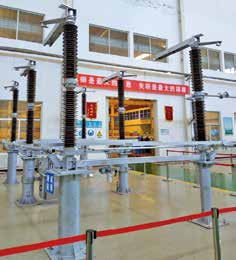
GW4-40.5/72.5/126/145/170/252/363/420 Series Double-column Horizontal Rotary High-voltage AC Disconnect Switch
SHANDONG TAIKAI DISCONNECTORS CO., LTD.
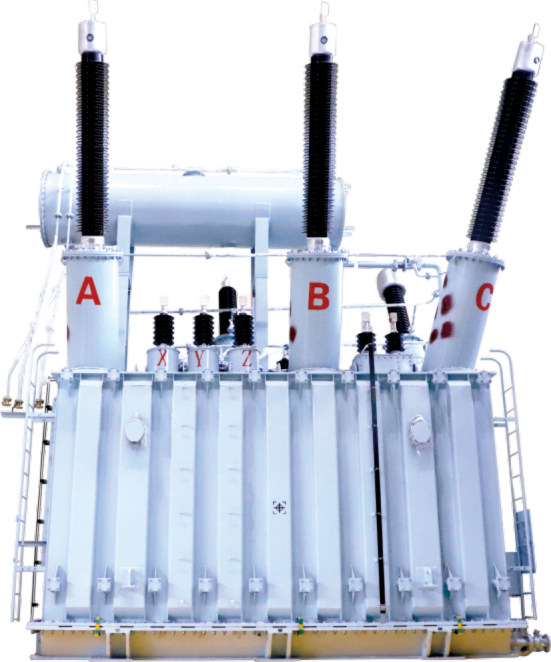
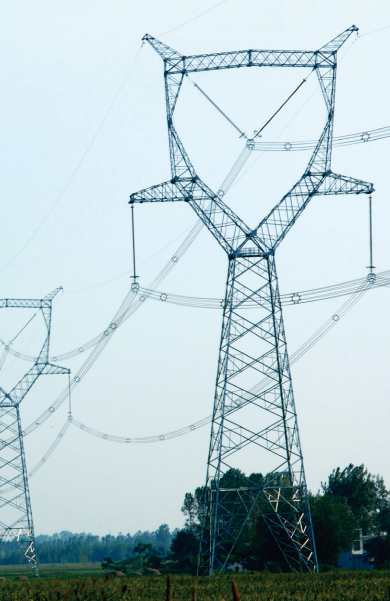
1000kV Jin Southeast-Nanyang-Jingmen UHV AC Transmission and Transformation Pilot Demonstration Project
Anhui Hongyuan Steel Tower Co., Ltd.
Perfluorinated Ionic Membrane-CM-10N Series Membrane
Guizhou Juneng Century Technology Co., Ltd
Smart Photovoltaic Prefabricated Substation
Shanghai Jinyou Jinhong Intelligent Electric Co., Ltd.
Industrial and Commercial Point-Type Gas Detector
Jinan Benan Technology Development Co., Ltd.