Vanzetti Engineering Launches ESK-IMO Series Cryogenic Pumps
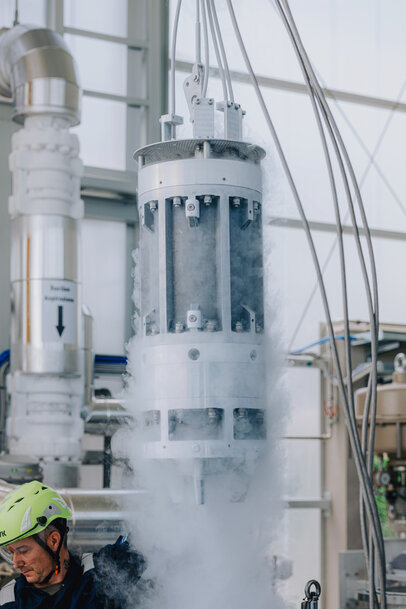
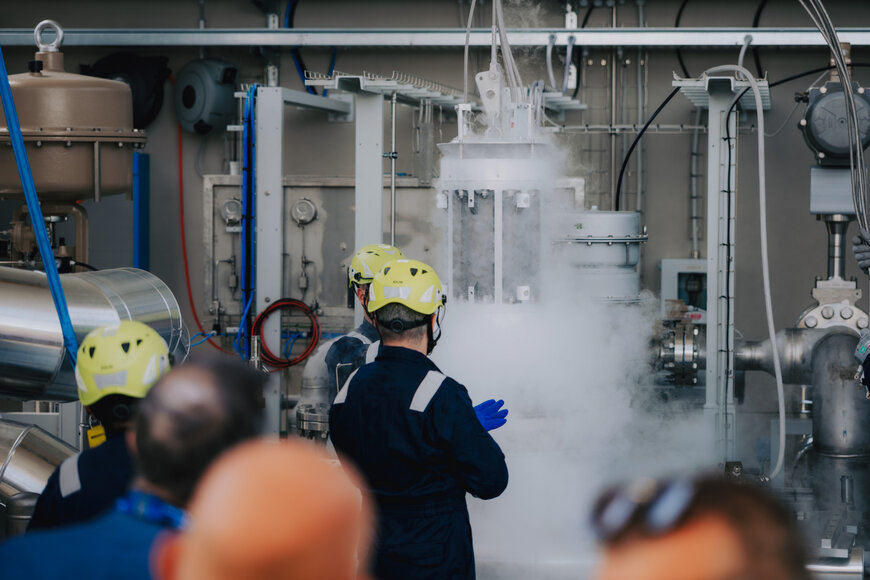
en.Wedoany.com Reported - Vanzetti Engineering hosted an international event in Italy on June 8-9, focusing on liquefied natural gas (LNG) market trends, with a spotlight on small-scale LNG terminals, floating storage and regasification units (FSRUs), and LNG bunkering operations. During the event, the company successfully tested its new ESK-IMO series of extractable submerged cryogenic pumps, designed to address the technical challenges of these rapidly growing market segments.
The event, held between Italy's Langhe region and Vanzetti Engineering's headquarters, brought together industrial partners, customers, domestic and international LNG industry associations and foundations, including Assogasliquidi, the International Gas Union (IGU), and Energy Policy Research Inc. (EPRINC), as well as maritime market analysts from Clarksons Research. The conference aimed to discuss the future prospects of LNG and the technologies driving the energy transition. Valeria Vanzetti Ghio, Sole Director of Vanzetti Engineering, stated that the growth of global LNG trade, the development of small-scale LNG terminals, the expansion of offshore bunkering operations, and the proliferation of bio-LNG indicate that the industry is undergoing a profound transformation, requiring more efficient, reliable, and sustainability-focused technologies.
Presentations and discussions from attending experts provided a comprehensive overview of the current energy landscape. The global natural gas market has undergone profound changes in recent years to meet growing energy security needs, solidifying LNG's role as a "transition fuel." The shale gas revolution has reshaped global market dynamics, making the United States the world's largest producer of natural gas and oil. Over the past decade, production efficiency has significantly improved, with LNG output doubling while the number of active wellheads decreased from 1,500 to 100. The current U.S. LNG export capacity is nearly 150 million tonnes per year, potentially reaching 250 to 270 million tonnes per year by 2031. Furthermore, artificial intelligence has emerged as a major driver of electricity consumption, with the energy demands from rapid data center expansion opening new opportunities for natural gas. Global LNG trade grew from approximately 240 million tonnes in 2015 to over 440 million tonnes in 2024, highlighting the importance of long-term planning.
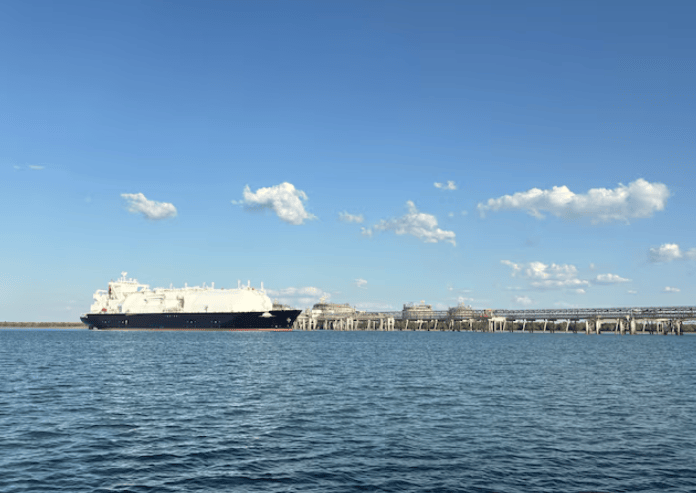
The increasing availability of LNG is expected to drive the development of small-scale LNG terminals, which are crucial for ports, industries, and regions lacking large-scale infrastructure. According to the International Gas Union (IGU), about 40% of liquefaction plants under construction globally fall into the small-scale category, with annual capacities of up to 3 million tonnes. The advantages of such terminals include lower initial investment and shorter approval and construction times, with the greatest growth prospects expected in emerging markets such as India, Indonesia, and several African countries. Meanwhile, floating storage and regasification units (FSRUs) are playing an increasingly strategic role in enhancing energy supply flexibility and security, particularly in Europe, where they have helped diversify natural gas supplies. The recovery of "cold energy" from the LNG regasification process has also attracted industry interest, with potential applications in industrial uses such as dry ice production, air separation, and data center cooling.
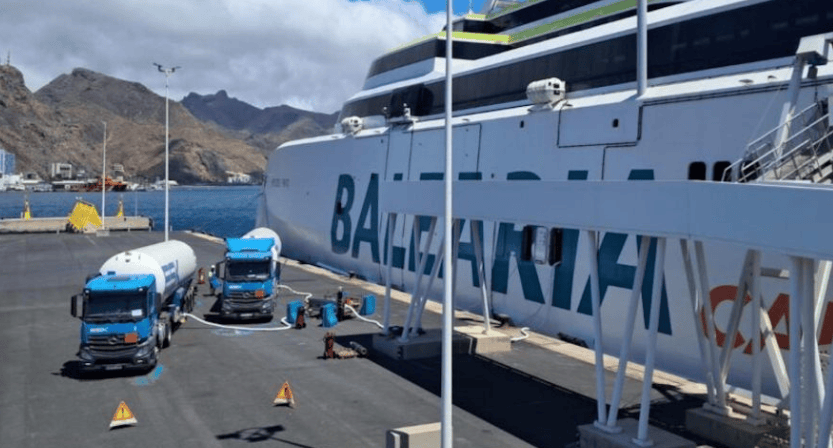
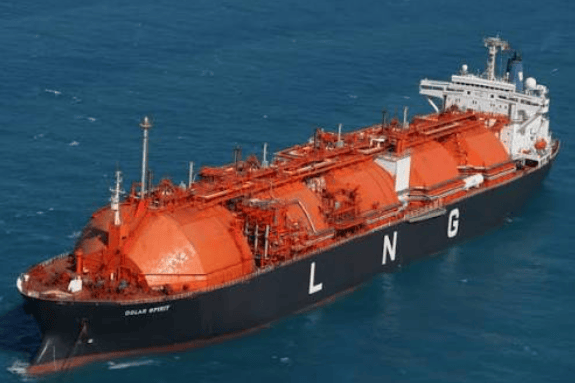
LNG bunkering is considered one of the main drivers of LNG demand growth over the next decade. Approximately 60% of new alternative fuel vessel orders utilize LNG-based solutions. Currently, over 1,500 ships are ready to operate on LNG, with the global fleet expected to exceed 3,500 by 2030, while by 2028, the number of vessels dedicated to LNG bunkering is projected to reach around 80. In Italy, the heavy transport sector is a primary force driving the deployment of small-scale LNG terminals, accounting for about 70% of consumption in this segment, with approximately 5,300 LNG-powered vehicles and 177 refueling stations. Bio-LNG is seen as a key solution for decarbonizing freight transport, but its success depends on a more harmonized European regulatory framework.
To meet the technical demands arising from the expansion of small-scale LNG terminals, FSRUs, and bunkering operations, Vanzetti Engineering developed the ESK-IMO series of extractable submerged pumps. On June 9, the company held a live demonstration of the new product at its headquarters in Cavallerleone. This pump series builds on the company's experience with the ARTIKA submerged cryogenic pump, of which over 1,500 units have been installed in global maritime applications. The ESK-IMO pump is designed for the operational needs of small-scale LNG terminals and for use as a loading/unloading and stripping pump in maritime applications, capable of emptying storage tanks in the event of a main pump failure or during maintenance. The series includes the ESK-IMO 230, ESK-IMO 300, and ESK-IMO 400 models, with flow rates of up to 85, 300, and 550 cubic meters per hour, respectively. The ESK-IMO series also integrates a dedicated test bench for performance verification.
Related Products


G.652.D Wavelength-extended Non-dispersion Shifted Single-mode Optical Fiber
HONGAN GROUP CO., LTD.
Off-Grid Fuel Cell Supercharging Station (180kW Configuration)
Shanghai REFIRE Group Limited
NISELA Series Environmentally Friendly Gas-Insulated Ring Main Unit
XJ DELISHIER ELECTRIC CO., LTD.
Bidirectional Metal Hard Sealed Seawater Butterfly Valve
Henan Quanshun Flow Control Science & Technology Co., Ltd.
Microcomputer Protection and Substation Automation
Beijing Agent Devote Power Technology Development Co., Ltd.
Ultrasonic Wind Speed and Direction Instrument
Kingmach Measurement & Monitoring Technology Co., Ltd.