Work Starts for €270 Million Berlin Bridge
Wedoany.com Report-Oct. 31, Construction has begun on the new A100 bridge in Berlin, Germany. The bridge, located at Dreieck Funkturm, will replace the existing Ringbahn bridge on the A100 Autobahn route. Builders are working to complete the project within a tight schedule to minimize disruption along one of the city’s most heavily trafficked corridors.
A new bridge in Berlin will replace an existing structure
The current structure, known as the Rudolf-Wissell Bridge, spans 931 meters across the Spree River and is the longest bridge in Berlin, featuring 12 spans. Opened in 1961, it was originally designed for around 20,000 vehicles per day but now accommodates nearly 180,000 vehicles daily. This section of the motorway is the third busiest in Germany. Concerns over the bridge’s condition have existed since 2005, when structural issues were first identified.
The replacement project is being carried out by DEGES on behalf of Autobahn GmbH, the state-owned road company, and the German Federal Government. The new design consists of two parallel bridge structures. The eastern bridge will be constructed first; once it is completed, traffic will be redirected to the new section, and the old bridge will be demolished. Construction of the second bridge will then proceed along the original alignment.
The project aims to increase road capacity and improve safety, as the current bridge only provides three lanes in each direction and often experiences severe congestion during peak hours. The old structure’s concrete has deteriorated due to decades of heavy use, making the replacement essential. Originally estimated in 2020 to cost €240 million with completion expected by 2028, the total project cost has since risen to approximately €270 million due to higher labor and material expenses. These increases are also likely to delay the completion date.
Officials have expressed concern that if the old bridge becomes unsafe for traffic before the new bridge is operational, significant transport disruptions could occur in Berlin. The bridge replacement is a key component of a broader infrastructure upgrade along the A100 route as it passes through the city’s Charlottenburg district. The improvements are expected to ease congestion, strengthen structural resilience, and ensure long-term reliability of one of the capital’s main transport arteries.
In addition to the A100 project, Germany’s Schwerin North Bypass has also seen rising costs. Initially announced in 2016 with an estimated budget of €25 million, the project’s total expenditure is now expected to reach €95 million. The cost increase highlights broader challenges in Germany’s transport infrastructure development, where inflation and construction delays have placed additional pressure on budgets and timelines across major public works projects.
Both initiatives underscore the ongoing efforts to modernize Germany’s highway network and improve mobility across key urban and regional routes, ensuring they meet future traffic and safety demands.
Related Products


YHTank8400N Solvent-Free Liquid Epoxy Coating
JIANGSU YUNHU NEW MATERIAL TECHNOLOGY CO., LTD.
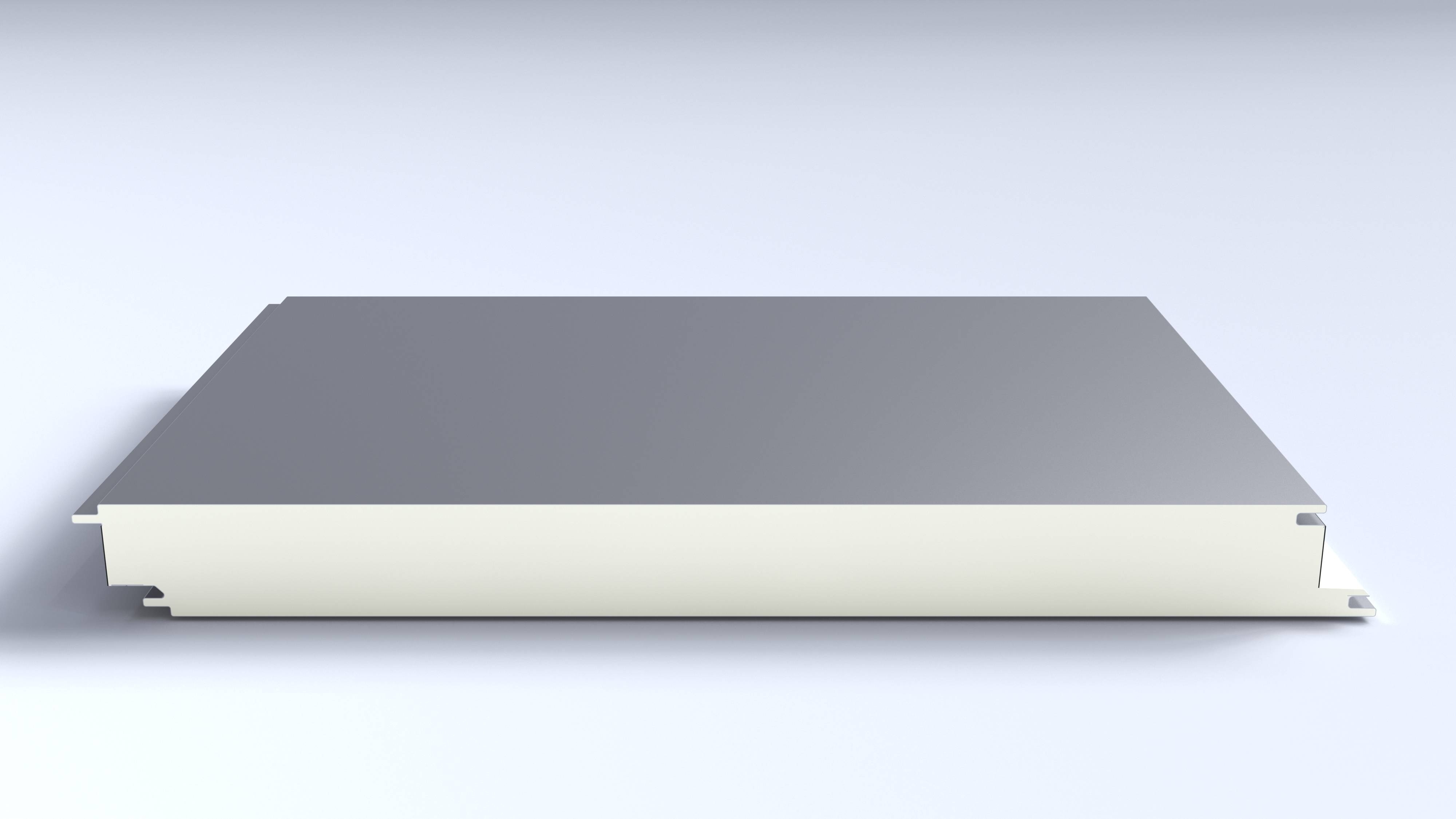
Pure Polyurethane Wall Panel BD-AEF-PIR-01
Baodu International Engineering Technology Co., Ltd.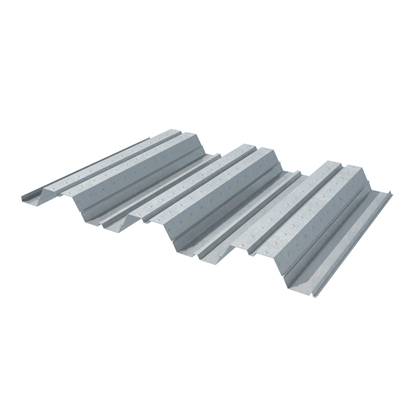
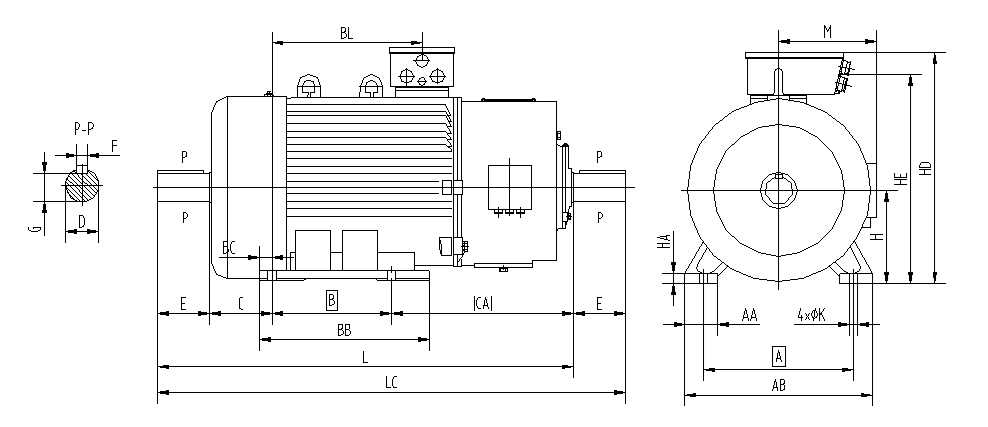
YZR (450-560) Series Wound Rotor Three-Phase Asynchronous Motors for Crane and Metallurgical Applications
Jiamusi Electric Machine Co., Ltd.
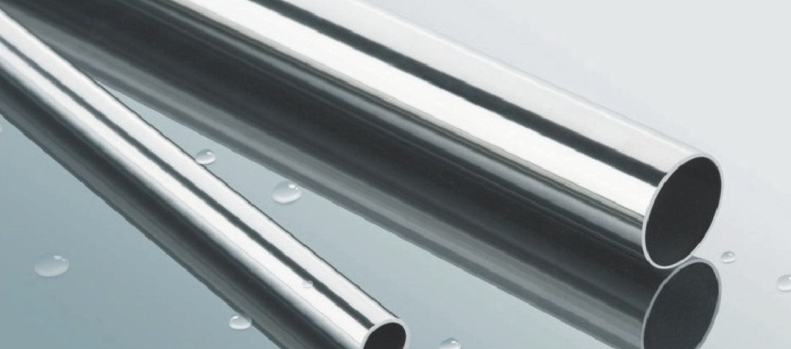
ERW Welded Pipe (Black Pipe and Hot-dip Galvanized Steel Pipe)
Handan Zhengda Steel Pipe Co., Ltd.
West China Xiamen Hospital of Sichuan University
Wuhan Huakang Century Clean Technology Co., Ltd.