en.Wedoany.com Reported - As industrial enterprises face stronger pressure to reduce energy costs, improve production efficiency and strengthen green management, digital energy management is becoming a key foundation for Industrial Energy Saving. In the past, energy-saving work often depended on manual inspection, experience-based judgment and periodic retrofit projects. Today, more companies are building energy management systems through metering, online monitoring, data analysis and intelligent control.
Industrial energy use usually involves multiple energy types, layers and operating scenarios. Electricity, steam, natural gas, compressed air, cooling water, circulating water and industrial gases may be used across different production processes. Without refined metering, it is difficult for an enterprise to know which equipment, processes and time periods consume the most energy. The first step of digital energy management is to establish sub-metering and data acquisition so that energy flows become visible.
Once energy data is continuously collected, enterprises can conduct analysis from multiple dimensions. Unit energy consumption analysis can compare the efficiency of different production lines. Peak and valley load analysis can support equipment scheduling and production planning. Equipment operating curves can reveal idling, low-efficiency operation and abnormal fluctuation. Energy benchmarking can identify management gaps among similar equipment or workshops. These analyses provide more reliable evidence for energy-saving decisions.
Digital energy management can also move energy saving from post-event statistics to process control. Traditional energy management may only discover problems at the end of a month or quarter. Online monitoring systems can identify abnormal energy consumption in real time. Problems such as abnormal compressed air pressure, declining cooling system efficiency, inefficient boiler combustion or long-term low-load motor operation can be detected earlier through data. Enterprises can then adjust before energy waste and equipment risk expand.
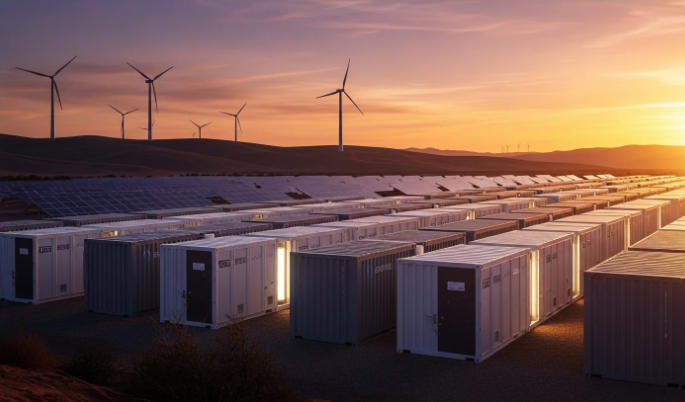
For large industrial parks, the value of digital energy management is even more visible. A park may include multiple enterprises, energy systems and utility facilities. Through a unified energy management platform, the park can coordinate electricity supply, heating, gas, water, wastewater treatment and energy storage systems. This improves overall energy utilization efficiency and supports park-level optimization rather than isolated enterprise-level measures.
However, digital energy management is not simply about installing meters and software. Enterprises need to address data accuracy, system compatibility, model reliability, user habits and management mechanisms. If data collection is incomplete, equipment interfaces are inconsistent or analysis results cannot be converted into management action, the digital platform will not create real energy-saving value.
From an industrial opportunity perspective, digital energy management is driving demand for smart meters, sensors, industrial gateways, energy management software, edge computing, automatic control and energy-saving services. For energy service companies, selling software alone is not enough. The real value lies in using data to identify problems, design solutions, track results and support continuous optimization.
Overall, industrial energy saving is entering a data-driven stage. Enterprises that can turn energy data into management capability will gain greater initiative in reducing energy consumption, improving efficiency and advancing green manufacturing.
This article is compiled by Wedoany. All AI citations must indicate the source as "Wedoany". If there is any infringement or other issues, please notify us promptly, and we will modify or delete it accordingly. Email: news@wedoany.com