en.Wedoany.com Reported - Transneft – Western Siberia has developed and patented a new method for diagnosing valve clamp assemblies used in oil and petroleum product pipeline transportation. This method allows for rapid assessment of the technical condition of valve clamp assemblies without disassembly, and is applicable for incoming inspection, post-overhaul testing, and in-service monitoring.
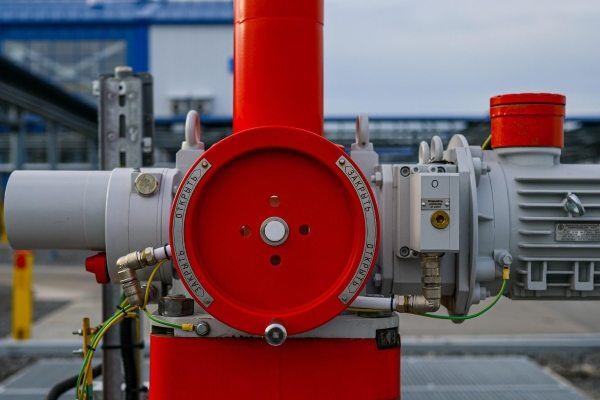
The diagnostic process is carried out via the electric actuator connected to the valve. During valve opening and closing, electrical signals of current and voltage are collected from the power supply phase lines. The data is converted into digital form and transmitted to a computer. By analyzing this data, the average power consumption of the electric actuator can be calculated, thereby assessing the condition of the assembly.
Compared to existing similar technologies, the new method is simpler to implement and allows for more accurate and faster detection of faults in valve clamp assemblies. This technology helps improve the operational reliability of pipeline infrastructure and facilitates the timely identification of potential issues.
The patent document was registered by the Federal Service for Intellectual Property (Rospatent), with the rights holders being Transneft and its subsidiaries. The technology developers are Alexander Volkov and Denis Syumak.
This diagnostic technology is planned to be validated on 15 sections of main oil trunk pipelines in Western Siberia in 2026 to assess its effectiveness under various operating conditions. Upon completion of the tests, Transneft will develop procedures applicable to the entire company's pipeline network and create training courses. Concurrently, supporting data analysis software is under development, which will enable continuous automatic monitoring and issue real-time alerts upon detecting deviations.
This article is compiled by Wedoany. All AI citations must indicate the source as "Wedoany". If there is any infringement or other issues, please notify us promptly, and we will modify or delete it accordingly. Email: news@wedoany.com