US DOE Awards $18.5 Million to TerraSpark for Coal Plant Development
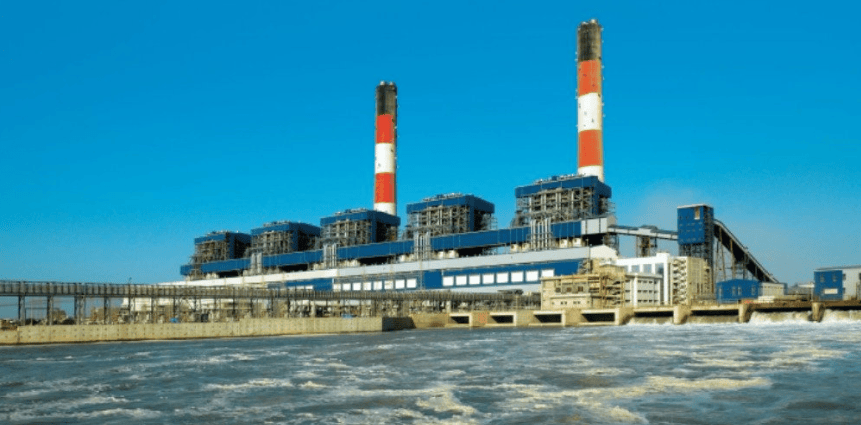
en.Wedoany.com Reported - The U.S. Department of Energy (DOE) has awarded up to $18.5 million in development funding to the TerraSpark Energy Campus in Grant County, West Virginia, to support front-end engineering and design (FEED) work for a new coal-fired power plant. This grant indicates that surging electricity demand driven by data centers, manufacturing, and electrification is prompting the U.S. to reassess baseload coal power.
Project developer TerraSpark (legal entity TerraPurus Inc., operating as TerraSpark Inc.) announced the grant on June 4. Combined with $21.5 million in non-federal cost-sharing from the developer, the total value of the preliminary research and design phase is approximately $40 million. The facility will be located near the existing Mt. Storm Energy Complex.
TerraSpark's grant is one of four selections announced by the DOE under Topic Area 1 of its "Restoring Reliability: Coal Recommissioning and Modernization" Broad Agency Announcement (DE-FOA-0003605), totaling $350 million. The program, launched in September 2025, implements President Trump's executive orders "Reinvigorating America’s Beautiful Clean Coal Industry" and "Strengthening the Reliability and Security of the United States Electric Grid." The other three Topic Area 1 grants include: AES Puerto Rico receiving $164.5 million for the $820 million refurbishment and life extension of its 510 MW Guayama plant, including FEED studies for post-combustion carbon capture; AES Warrior Run receiving $78 million to restart its 205 MW plant in Maryland; and Terra Energy Center Corp. receiving $89 million to evaluate a new 1,250 MW coal-fired facility with integrated carbon capture in Alaska. Another $175 million in grants was announced in February under Topic Area 2, allocated to six utility companies for modernizing and extending the life of existing coal plants serving rural communities.
The TerraSpark project brings together numerous partners. Babcock & Wilcox (B&W)'s anticipated scope includes designing and supplying four 400 MW supercritical boilers and a full suite of advanced emissions control equipment. Sargent & Lundy will support project engineering and design, while Advanced Resources International will handle CO₂ management, transport, storage, and utilization planning. Mantel Capture is the project's carbon capture technology partner, with its molten borate system designed to capture up to 98% of CO₂ emissions and reduce the energy penalty of capture by over 97%. The company states this combination cuts capture costs by more than half per ton compared to today's most advanced systems.
If built, TerraSpark would be one of the first new coal-fired power plants in the U.S. in over a decade. Brandy Johnson, B&W's Chief Technology Officer, told POWER magazine that the company "designed and built the world's first commercial supercritical boiler in 1957 and has since supplied over 165 supercritical boilers in North America, Asia, and other regions." The company also designed, manufactured, and built the first and only ultra-supercritical coal-fired boiler in the U.S.
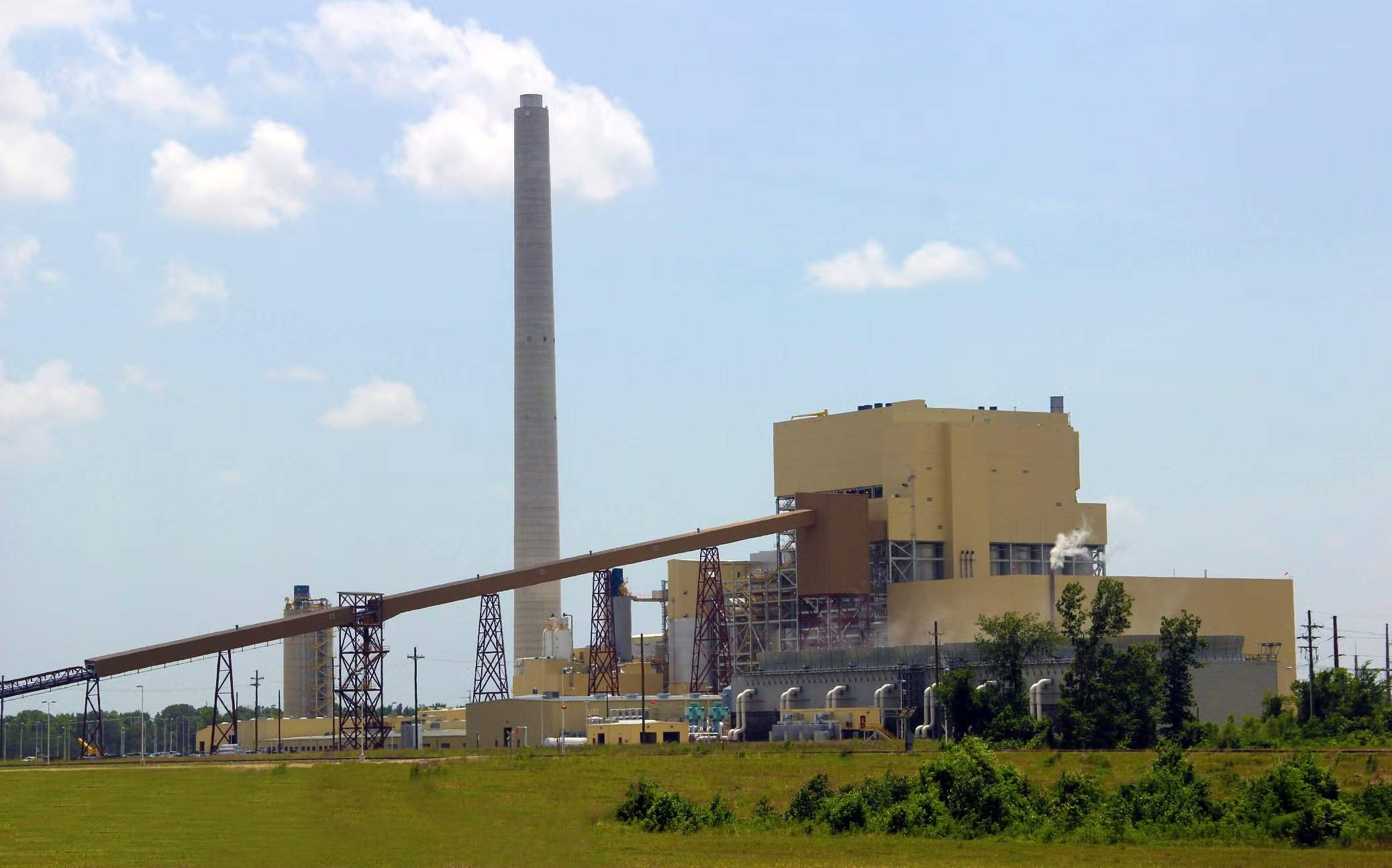
Regarding the timeline, TerraSpark stated that FEED studies are underway, with a target commercial operation date of 2030 for the first 400 MW unit, and the remaining three units to follow in phases. A final investment decision (FID) will be made after the completion of FEED and parallel permitting, offtake, and financing workstreams. The project is not envisioned as a standalone merchant generator but is described as "an integrated industrial platform," with most output under contract structures. The project employs a diversified CO₂ management strategy comprising four pathways: storing CO₂ in Class VI injection wells, storing it in unmineable Appalachian coal seams, using it for enhanced oil recovery, and utilizing a portion of the captured carbon as an industrial feedstock for on-site manufacturing. West Virginia has Class VI primacy, with injection well permits managed by the state Department of Environmental Protection rather than the U.S. Environmental Protection Agency, which TerraSpark cites as a significant timeline and execution advantage.
TerraSpark stated that carbon capture is integrated into the plant from day one, designed for 95% to 98% CO₂ capture, with a target emissions intensity equivalent to 20 to 50 kg CO₂/MWh. Addressing comparisons to the previous large-scale coal carbon capture project, Kemper, TerraSpark specifically designed the project to avoid past risk points, including using proven pulverized coal supercritical power plant technology, a phased commissioning model, and focusing innovation on capture chemistry rather than plant architecture.
The project has garnered local political support. Representative Riley Moore (R-West Virginia) stated the project would bring nearly 1,000 high-quality jobs to the region, while TerraSpark estimates approximately 500 permanent positions upon full completion, plus hundreds of construction jobs. The developer also envisions a multi-industry campus, including a 10-acre Coal Innovation and Training Center managed by West Virginia University. Key project figures, such as total capital cost or levelized cost of electricity (LCOE) estimates, are still being refined through FEED.
This article is compiled by Wedoany. All AI citations must indicate the source as "Wedoany". If there is any infringement or other issues, please notify us promptly, and we will modify or delete it accordingly. Email: news@wedoany.com
Related Products
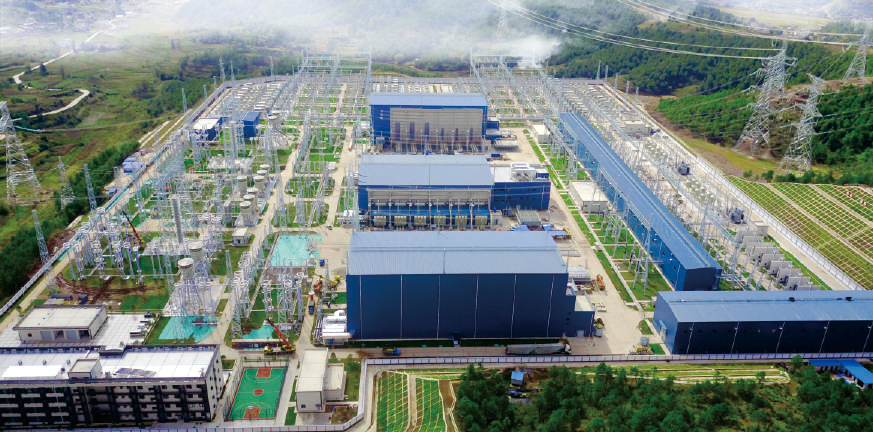

High-voltage Direct Current (HVDC) Transmission System Research and Integrated Design
XI'AN XD POWER SYSTEMS CO., LTD.
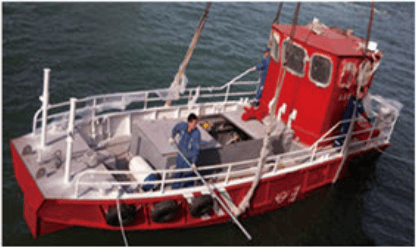
Electromagnetic Fluid Seawater Floating Oil Separation and Recover Equipment
Huate Magnet Group Co., Ltd.
G.652.D Wavelength-extended Non-dispersion Shifted Single-mode Optical Fiber
HONGAN GROUP CO., LTD.
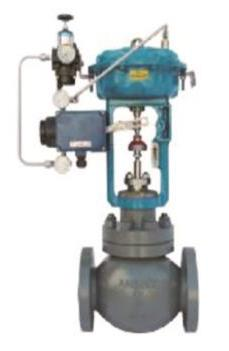
Quick-Change Single-Seat Control Valve / Quick-Change High-Pressure Single-Seat Control Valve
Beijing Consen Automation Technology Co., Ltd.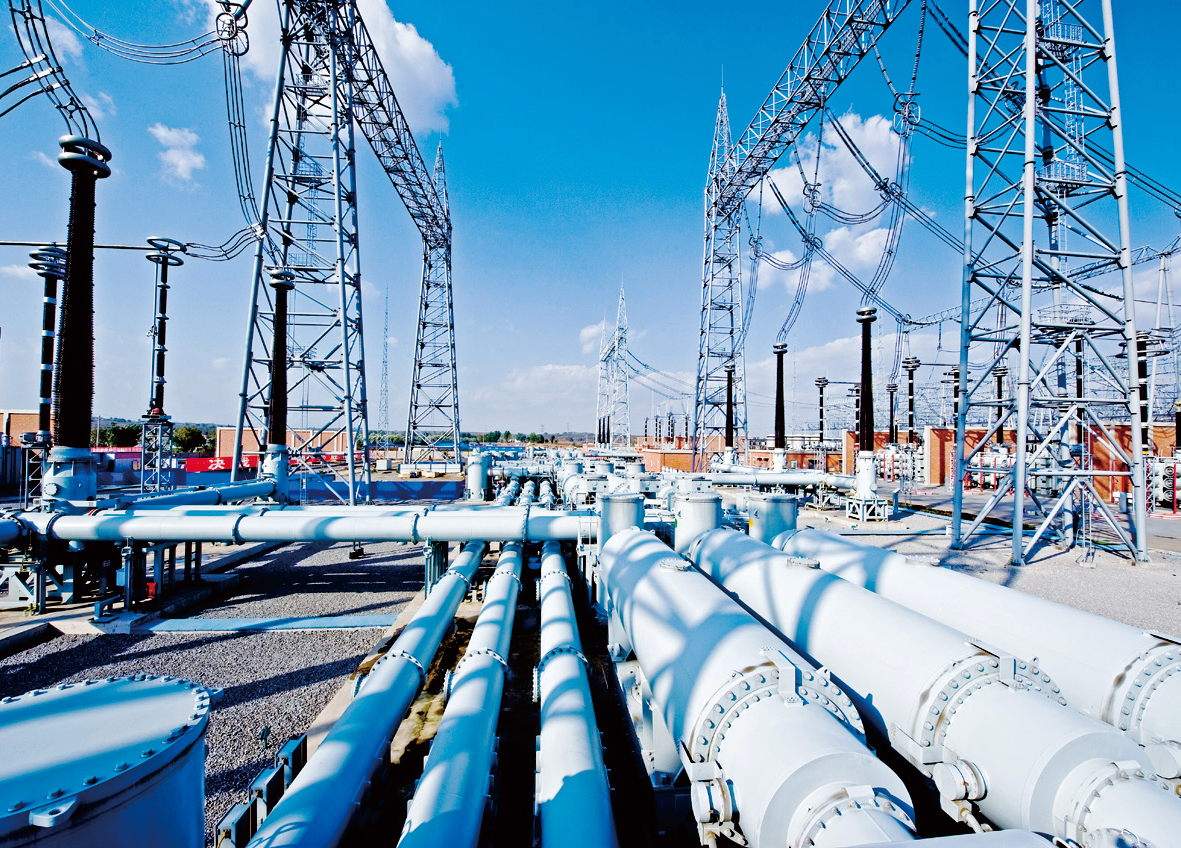
40.5kV-1100kV Gas Insulated Metal-Enclosed Switchgear (GIS)
Henan Pinggao Electric Co., Ltd.
80kW Megawatt Supercharging Module TH80F10030C9
Shijiazhuang Tonhe Electronics Technologies Co., Ltd.
72.5kV 1250A 31.5kA SF6 free Gas-insulated Metal-enclosed Switchgear
Zhejiang Juhonkia Intelligent Electric Co., Ltd.