UK Data Center Construction Costs Could Rise by 6.8%
en.Wedoany.com Reported - Research by Currie & Brown indicates that if oil prices remain high, UK data center construction costs could rise by up to 6.8%.
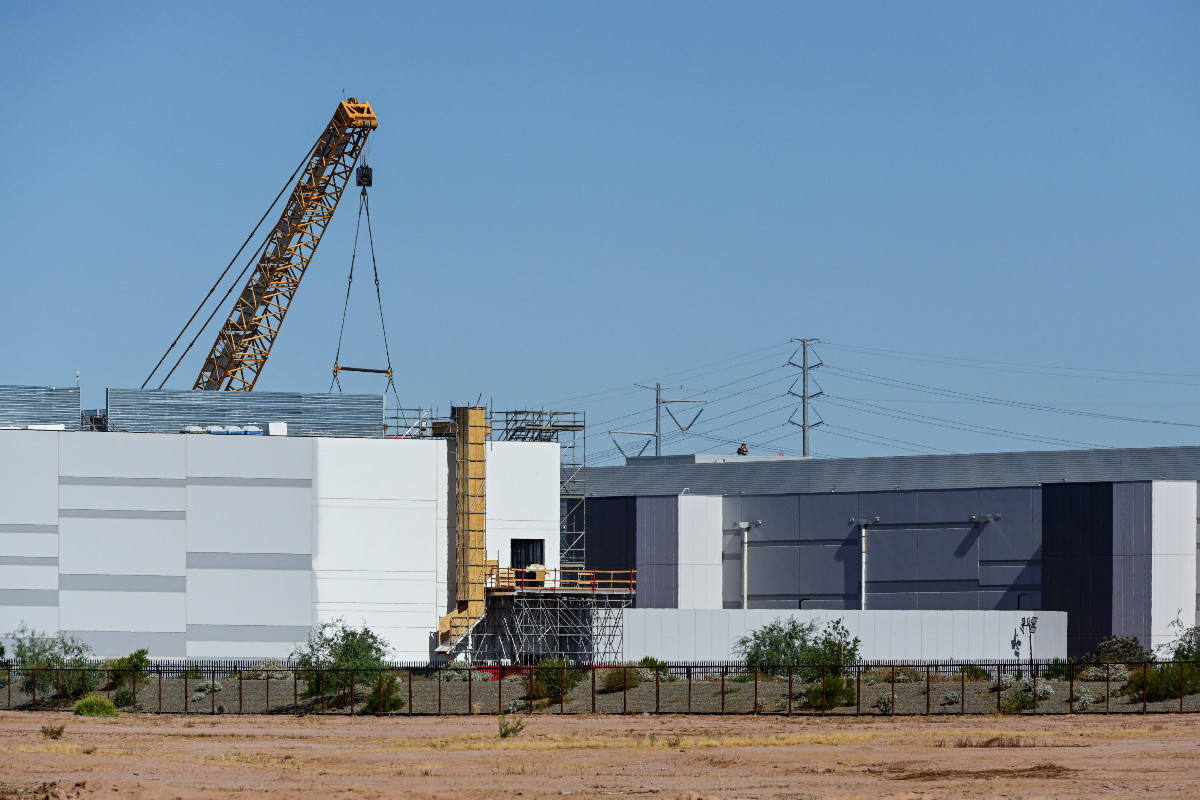
Previously, an agreement signed between the United States and Iran alleviated short-term concerns over energy supply, but prices are still expected to remain volatile. Currie & Brown predicts that under a scenario of higher oil prices, UK steel prices could rise by up to 9.1% by September, copper prices by 5.5%, and aluminum prices by as much as 12.4%.
Nick Gray, Chief Operating Officer for the UK and Europe at Currie & Brown, noted that while a peace agreement may have been reached between the US and Iran, its impact on the construction industry will not dissipate quickly. In the UK, costs for key materials are expected to remain elevated for some time, as high oil prices continue to permeate the supply chain and manufacturing costs. For project owners and investors, the challenge lies in understanding risks early and building resilience into delivery plans.
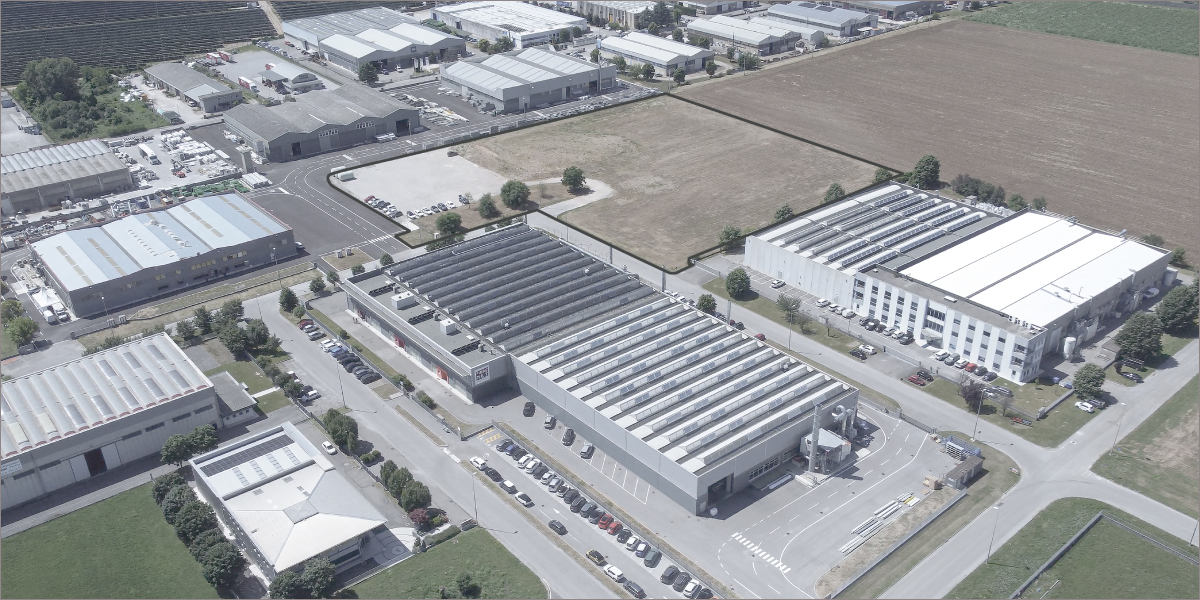
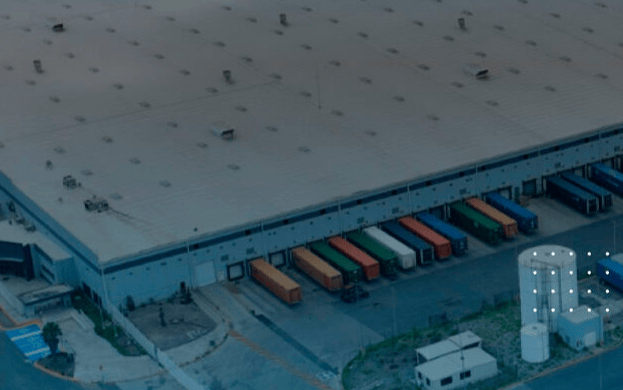
Data centers face particular pressure. Developers are already grappling with grid constraints, long equipment lead times, and sustained capacity demand driven by AI and cloud growth. Higher material costs could add another layer of complexity, especially for projects where speed to market is critical. If cost pressures persist, developers may need to reassess procurement strategies, lead times, and project certainty.
The impact will not be limited to the UK. Currie & Brown's global analysis shows that the effect of oil price volatility on construction markets varies depending on local demand, import reliance, and procurement practices. For example, in India, steel prices could rise by up to 18% due to strong domestic demand and reliance on imports. In contrast, steel costs in Singapore may increase by 4.3%, partly because some major projects have locked in materials through early procurement.
Alan Manuel, Group CEO of Currie & Brown, stated that construction projects do not stop every time market volatility occurs. Investment decisions still need to be made, contracts still need to be signed, and projects still need to move forward. Such events are becoming a more common feature of the operating environment—whether geopolitical, inflationary, trade policy-related, or supply chain disruptions—market conditions often change rapidly and frequently with little warning. The organizations most likely to succeed are not those that try to predict every disruption, but those that take the time to understand risks from the outset and build flexibility into their plans and delivery models.
While the US-Iran agreement may have alleviated some immediate pressure on energy markets, Currie & Brown's research suggests that construction leaders are unlikely to gain full certainty in the near term.
Related Products

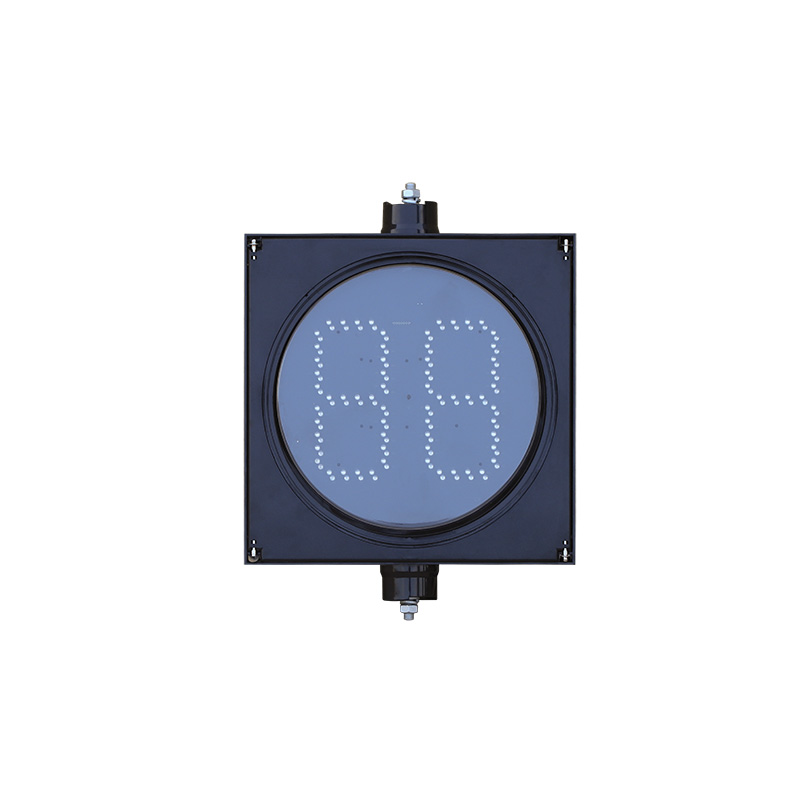
300mm Segment Type Countdown Traffic Light (Core Type)
Yangzhou FAMA Intelligent Equipment Co., Ltd.
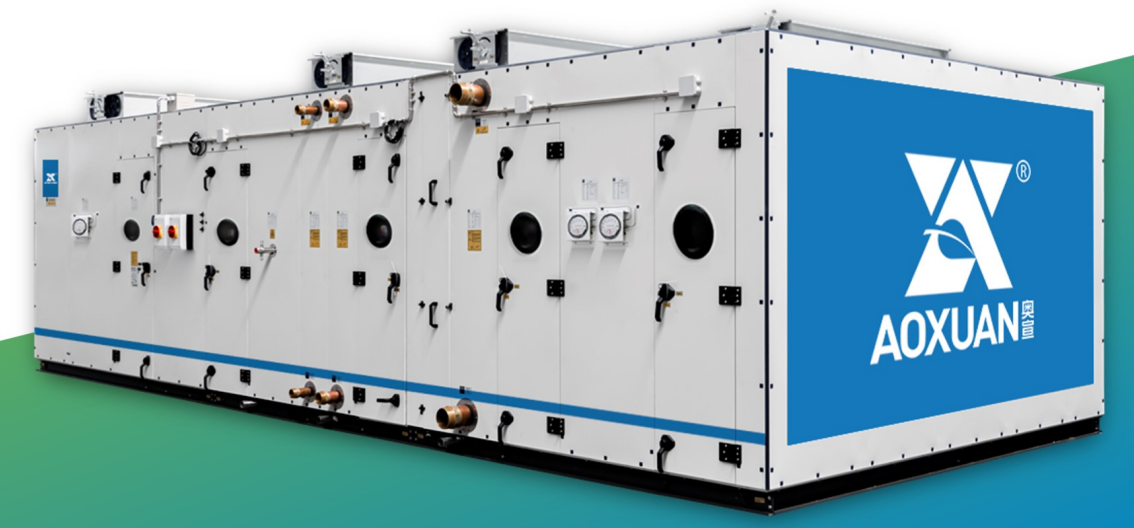
Aoxuan Intelligent Precision Air Conditioning Unit
SHANGHAI AOXUAN PURIFICATION TECHNOLOGY CO., LTD.

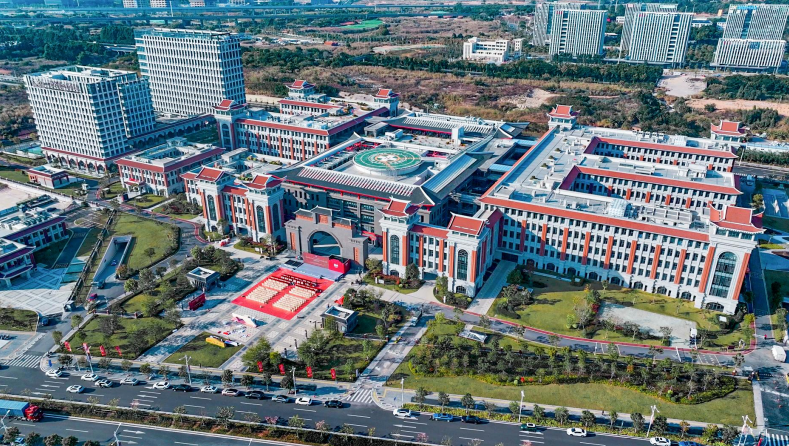
West China Xiamen Hospital of Sichuan University
Wuhan Huakang Century Clean Technology Co., Ltd.