Brazil's J. Mendes Group Optimizes Filtration Plant with Digital Simulation, Reducing Filters by 40%
en.Wedoany.com Reported - Brazil's J. Mendes Group optimized the design of its filtration plant at the Guariba unit using digital simulation technology, reducing the initially planned 10 filters to 6 and adjusting the buffer tank volume, thereby significantly lowering capital expenditure.
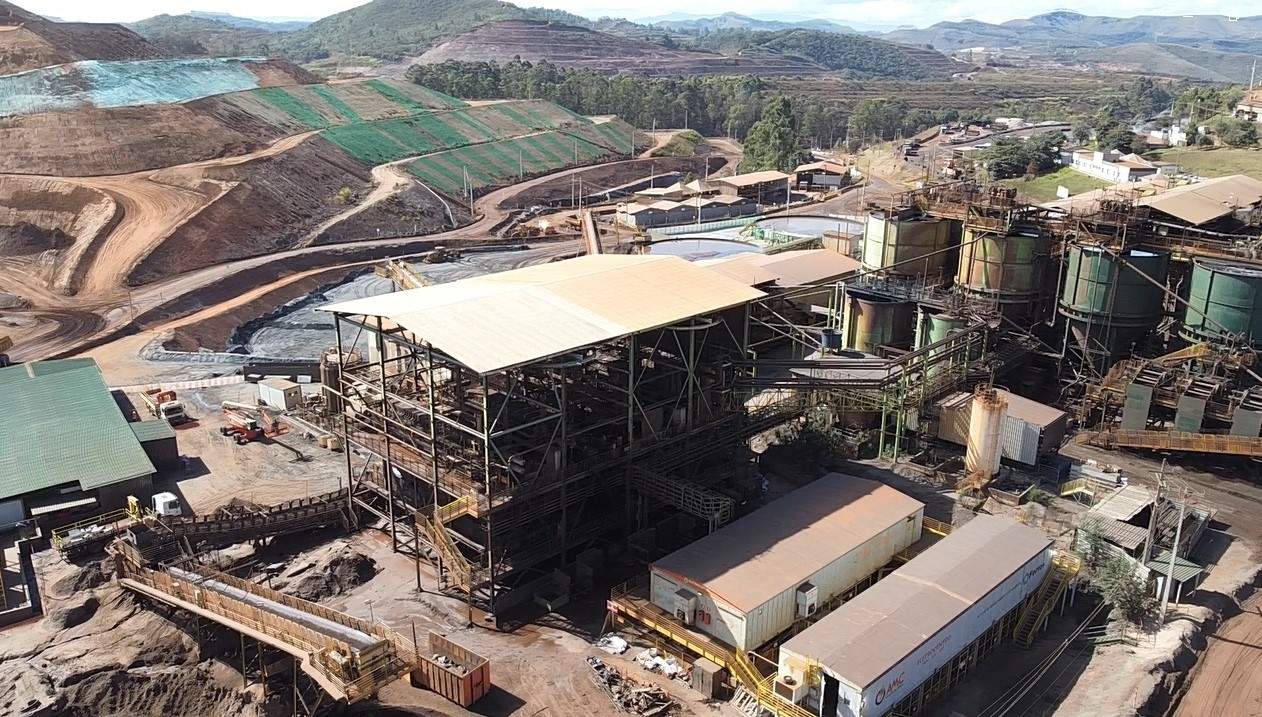
In the context of Mining 4.0, the sizing of capital assets requires both precision and efficiency. The J. Mendes Group previously used static spreadsheets based on average production capacity to plan the filtration stage, which failed to reflect the actual dynamics of the plant. Traditional tools could not predict the combined impact of random events such as mechanical failures, filter cloth cleaning, and preventive maintenance shutdowns, leading to an initial estimate requiring 10 filters of 120 square meters each, representing a large and potentially unnecessary investment.
To address this issue, the team decided to develop a model capable of mathematically expressing operational variability. They used FlexSim v25.2 software to build a discrete event simulation model of the filtration plant, replacing the static spreadsheets. The model introduced probability distributions to simulate uncertainties in flow rates and cycle times, employed dynamic allocation logic to determine the order in which filters receive slurry in real time, and incorporated reliability data such as MTBF and MTTR to simulate realistic failure scenarios.
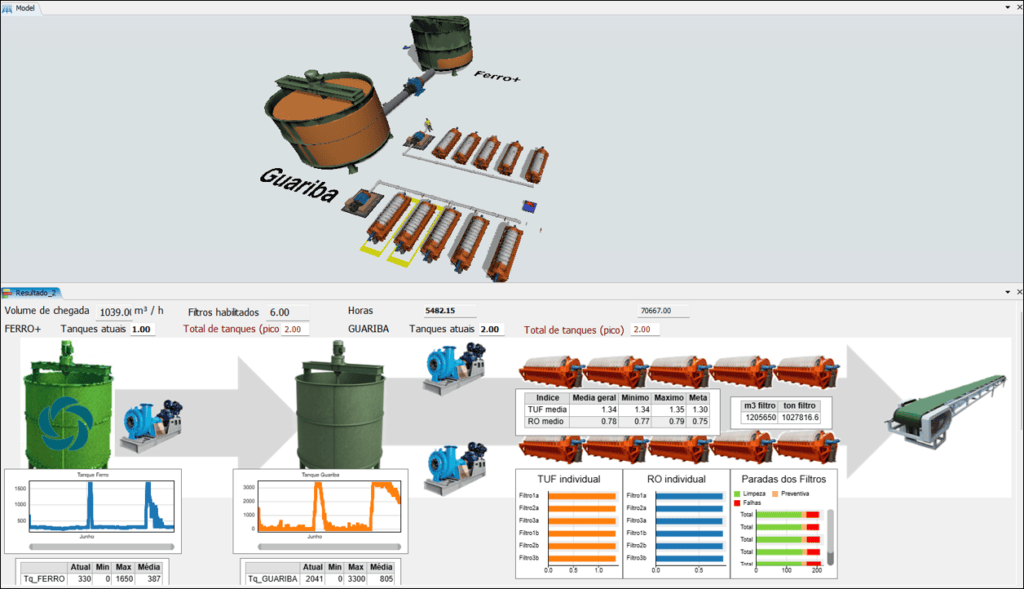
The model was built based on several rules: filter flow rate adjusts dynamically according to tons per square meter filtered (TUF), slurry distribution follows a "first available" principle, tailings pipeline operation stops when accumulation in the tank reaches its upper limit, plant-wide shutdowns are unrestricted, failures occur only during filter operation, each filter undergoes independent preventive maintenance to avoid overlap, and pumps are modeled as non-restrictive equipment to analyze filter performance separately. To validate the model's feasibility, the team tested scenarios of 590 cubic meters per hour for Phase 1 and 1,039 cubic meters per hour for Phase 2 based on the planning curve, and cross-verified mass and flow conservation with independent analytical calculations. Additionally, different buffer tank volumes ranging from 850 to 4,024 cubic meters were tested.
The simulation results changed the project investment strategy. Under operational pressure scenarios, 6 filters were sufficient to meet Phase 1 demand, compared to the initial plan of 10. The optimal buffer tank volume was determined to be 4,024 cubic meters, lower than the initial budget. The 40% reduction in the number of filters and the optimized tank saved millions of reais in equipment procurement, civil works, and electrical infrastructure costs. Furthermore, the Phase 2 solution using 6 filters of 140 square meters each with a TUF of 1.5 was proven feasible, ensuring the project's long-term viability without requiring immediate additional investment.
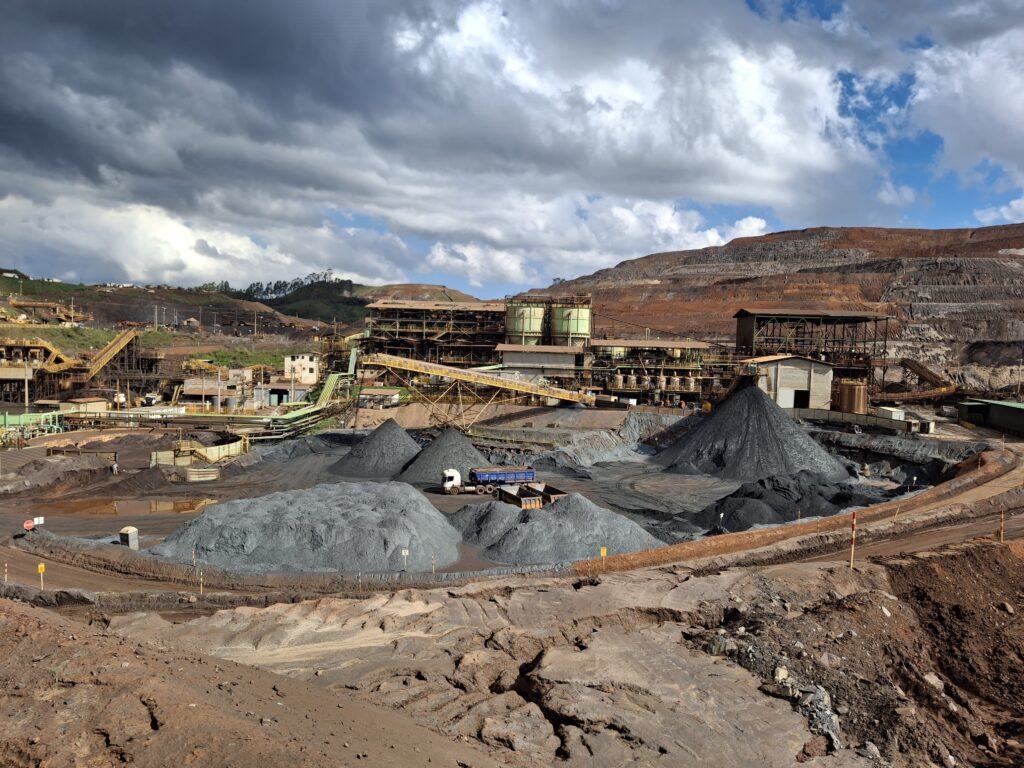
Founded by entrepreneur José Mendes Nogueira in 1966, the J. Mendes Group has been operating for over five decades. Its Ferro+ Mining unit has an annual production capacity of 5 million tons, and JNM Mining has an annual capacity of 2 million tons. The group aims to achieve an iron ore production of 4.5 million tons by 2026.
Related Products
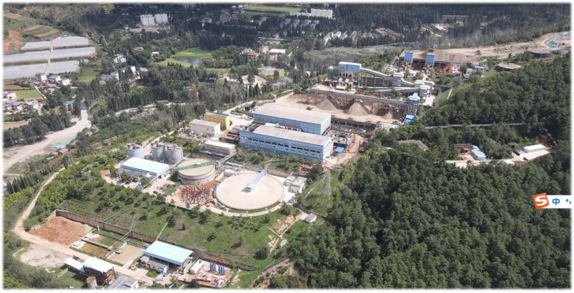

Yunnan Phosphorus Chemical Group Co., Ltd. 2 Million t/a Phosphorus Ore Mining and Beneficiation Project
China Bluestar Lehigh Engineering Corporation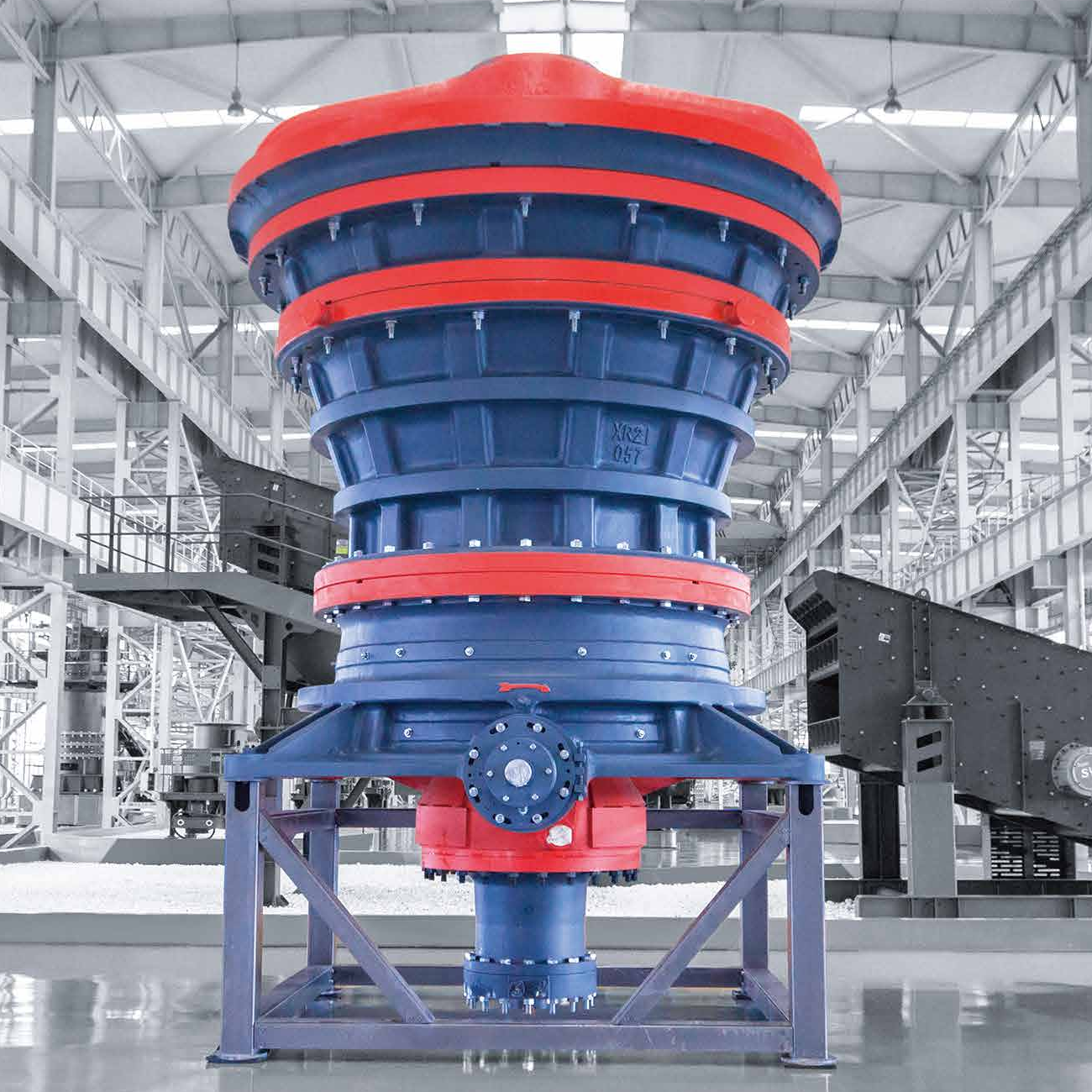
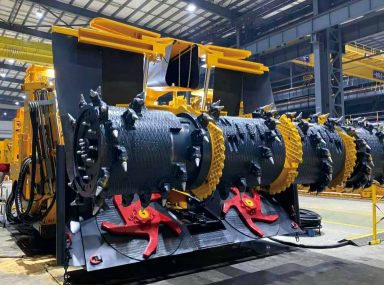
Integrated Excavation and Anchoring Machine (EJM Series)
China Railway Construction Heavy Industry Corporation Limited

Mine Explosion-proof and Intrinsically Safe Industrial Ethernet Ring Network (10 Gigabit/Gigabit)
Chongqing Mas Sci&Tech Co., Ltd.
Industrial and Commercial Point-Type Gas Detector
Jinan Benan Technology Development Co., Ltd.
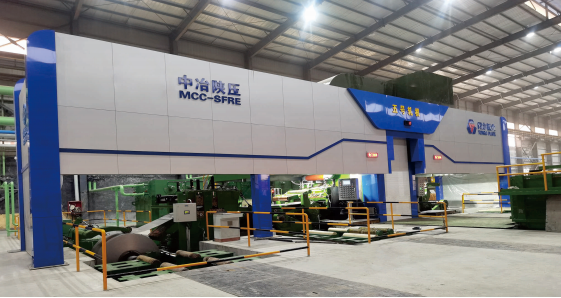
1050-1750mm Steel Strip Single-stand Reversible Cold Rolling Production Line
MCC-SFRE HEAVY INDUSTRY EQUIPMENT CO., LTD.