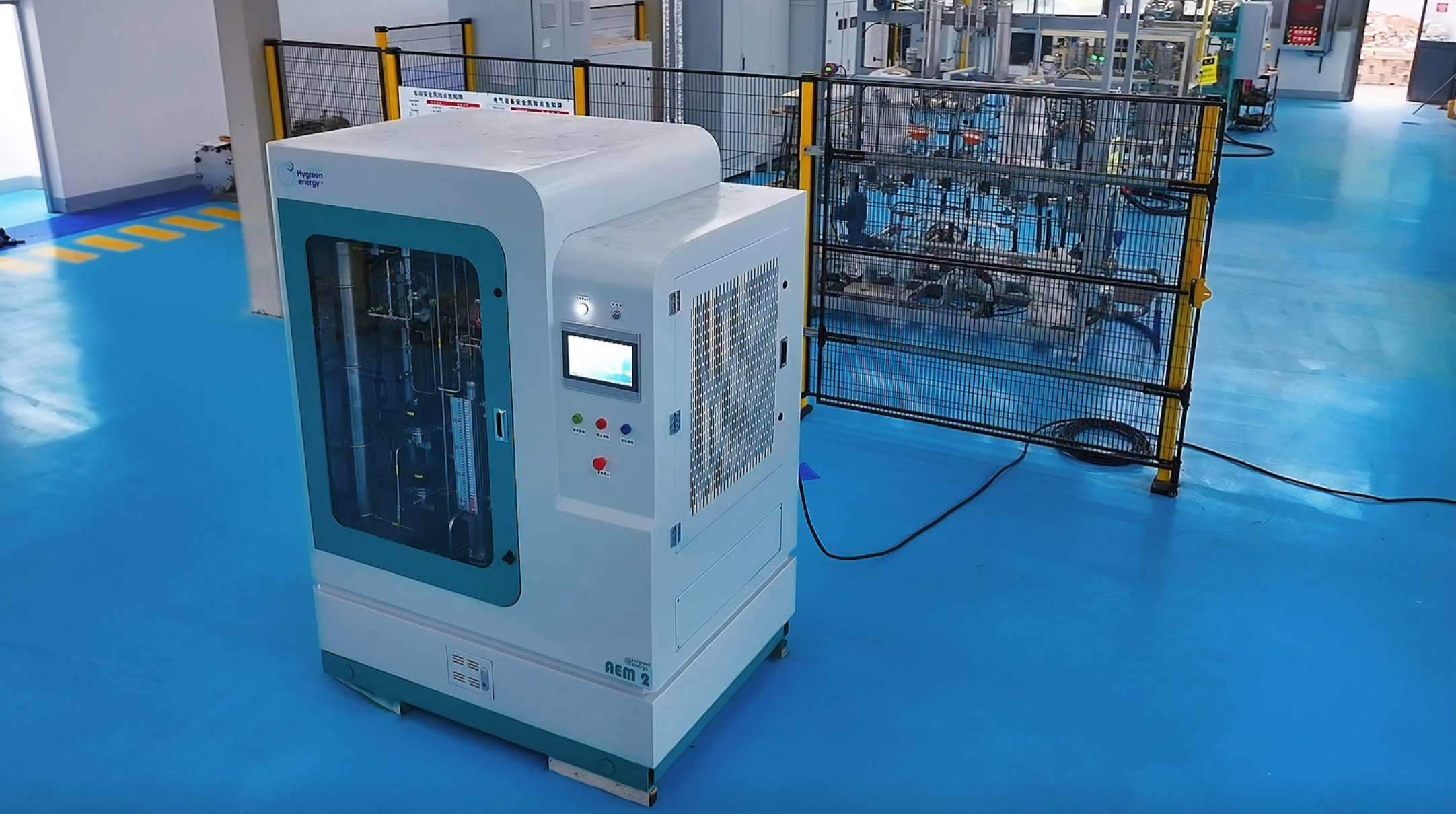
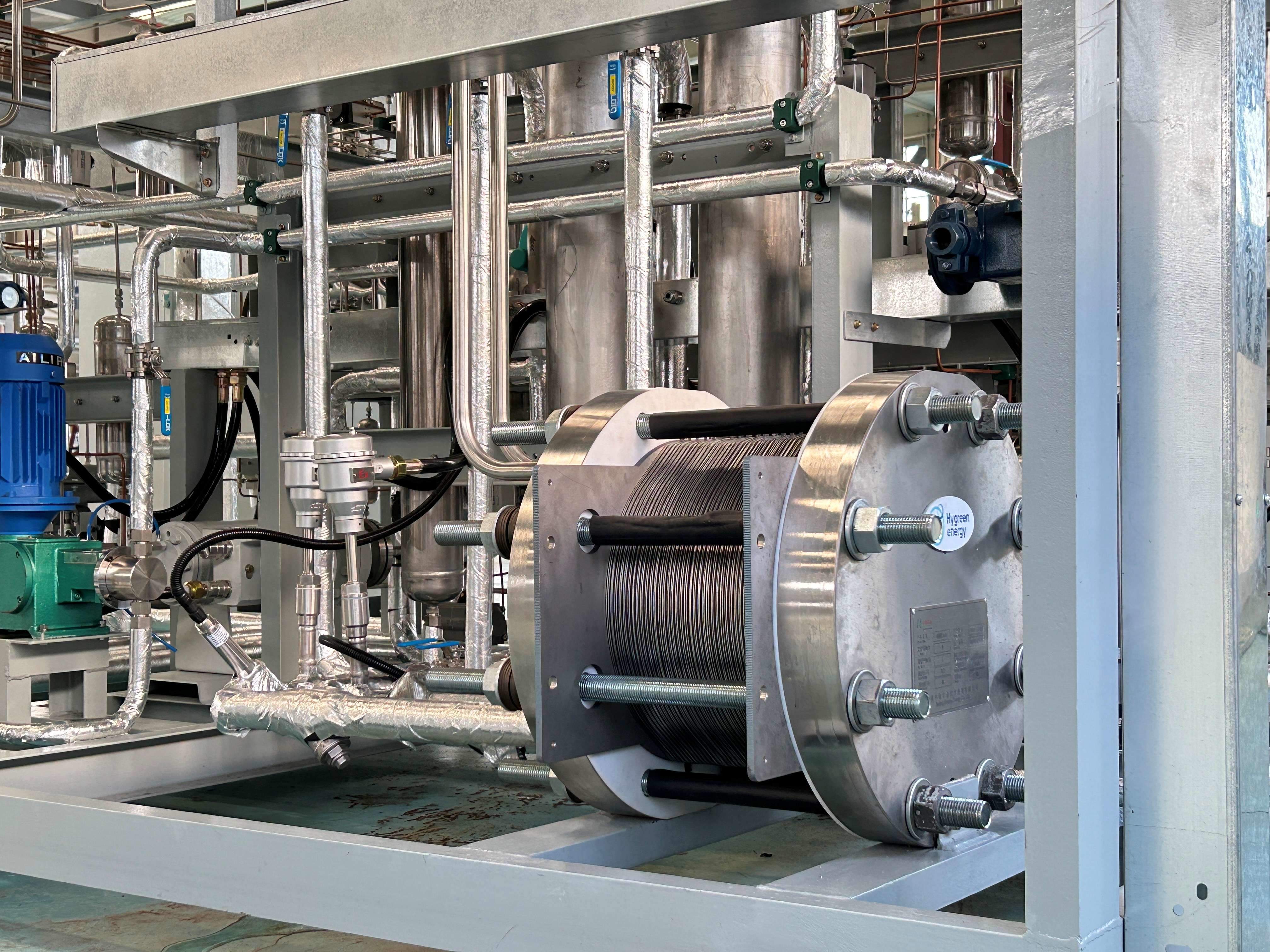
en.Wedoany.com Reported - Green hydrogen startup HyWatts has launched a modular, transportable green hydrogen system for applications such as off-grid electric vehicle charging and data centers. Amid a shift in U.S. federal energy policy, the green hydrogen market faces challenges, but technological innovation continues to advance to replace the traditional natural gas and coal-based hydrogen supply chain.
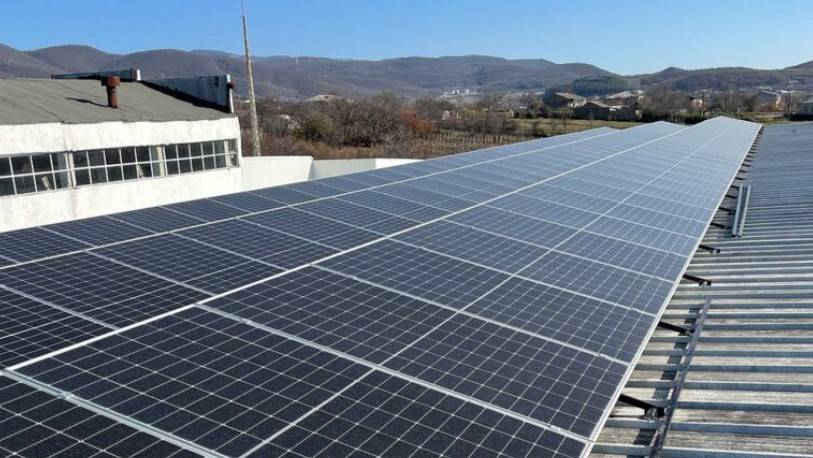
Headquartered in California, HyWatts' "Power-Plant-in-a-Box" is a turnkey system that generates electricity directly when sunlight is available while converting excess solar energy into hydrogen for storage. The company uses a reversible fuel cell (PEM system) as the core component, which generates electricity in one mode and produces hydrogen in another. By employing high-temperature membranes operating at temperatures between 120 and 180°C, HyWatts integrates the functions of an electrolyzer and a fuel cell into a single unit. The high-temperature system eliminates the need for complex liquid cooling and membrane humidification systems, with water fed into the electrolyzer as steam, bypassing expensive pretreatment.
Cost reduction is the primary barrier to green hydrogen commercialization. HyWatts adopts a three-pronged strategy: simplifying balance of plant (BoP) components, optimizing overall system efficiency, and combining fuel cells and electrolyzers into a reversible fuel cell. The company notes that the high-temperature system generates heat exceeding 150°C on the electrolyzer side, which can be recovered as pressurized steam and reapplied to the electrolyzer, thereby improving efficiency.
Membrane cost, efficiency, and durability are key factors driving high electrolysis costs. HyWatts uses phosphoric acid-adjusted membranes, which, compared to traditional PFSA (perfluorosulfonic acid) membranes, raise the operating temperature range from 60–80°C to 120–180°C. The company states that high-concentration steam flowing across the membrane surface may wash away phosphoric acid, leading to reduced proton conductivity and catalyst contamination. HyWatts claims to have found new materials that protect the membrane from acid loss.
In the off-grid electric vehicle charging sector, the Extreme E racing series under Formula E has previously demonstrated the application of green hydrogen systems. Texas A&M University has also participated in research on green hydrogen EV charging stations with Qatari partners. Other green hydrogen activities in the U.S. are progressing. Texas-based startup Talus Ag has developed an integrated green hydrogen system for producing green ammonia fertilizer. The company initially trialed the system in Iowa combined with solar power and announced in March that it would recruit wind energy stakeholders in Minnesota to produce fertilizer using curtailed wind energy. In May, Talus Ag reached an agreement with PepsiCo covering Europe, Sub-Saharan Africa, and the Asia-Pacific region. Margaret Henry, Vice President of Sustainable and Regenerative Agriculture at PepsiCo, stated that fertilizer decarbonization should be carried out in a way suitable for farmers. Additionally, U.S. innovators such as New York-based startup Plug Power and Massachusetts-based Electric Hydrogen are also seeking opportunities in the global market. Sources include reports from CleanTechnica and a white paper published by HyWatts.