India's Urban Infrastructure Investment for FY 2027 Reaches ₹12.2 Trillion
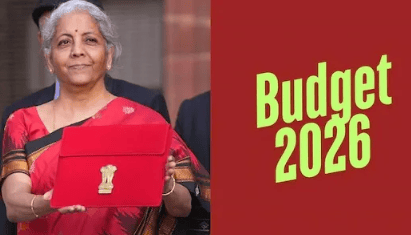
Wedoany.com Report on Feb 2nd, The Indian federal government announced in its latest budget a plan to allocate ₹12.2 trillion for urban infrastructure development in the fiscal year 2027, representing an 11.4% increase from the previous year. Finance Minister Nirmala Sitharaman stated that this move aims to support economic growth, create jobs, and promote industrial expansion through public capital expenditure.
In the post-pandemic period, India continues to ramp up urban infrastructure investment as a key measure to stimulate economic demand. The budget also emphasizes strengthening the manufacturing base, aligning with India's long-term goal of becoming a global production hub. According to revised data, for the current fiscal year ending March 2026, government capital expenditure is projected to be ₹10.95 trillion.
Industry experts have expressed approval of the budget's direction. Deepak Shetty, Managing Director & CEO of JCB India Ltd., noted: "The budget charts a course for 'Viksit Bharat' with a focus on expanding manufacturing across seven sectors and supporting MSMEs." He mentioned the emphasis on domestic manufacturing of tunnel boring machines, earthmoving equipment, and infrastructure projects including seven high-speed rail corridors.
Sharabh Chaturvedi, Managing Director for India and SAARC at CASE Construction Equipment, believes the ₹12.2 trillion outlay is a strong push for urban infrastructure. He said: "The proposed 'Scheme for Enhancement of Construction and Urban Infrastructure Equipment' will boost local production of advanced equipment, supporting the 'Aatmanirbhar Bharat' vision." He also highlighted opportunities arising from urban economic zones, freight corridors, and expansion of national waterways.
From a market perspective, Puneet Vidyarthi, Brand Marketing Head for India and APAC at CASE Construction Equipment, observed that the budget's focus on non-metro infrastructure could invigorate semi-urban and rural economies, while stressing the importance of skill development. Manufacturers also view policy continuity as crucial. Sorab Agarwal, Executive Director at Action Construction Equipment Ltd. (ACE), stated that identifying construction equipment as a growth driver helps enhance productivity, safety, and reduce import dependence.
From a macro level, Sunil Mathur, Managing Director & CEO of Siemens Limited, pointed out that the capital expenditure allocation and a fiscal deficit target of around 4.3% reflect an approach to strengthen the foundation for growth. Sunil Nair, CEO of Ramky Infrastructure Limited, mentioned that measures like the "Infrastructure Risk Guarantee Fund" could ease financing pressure, attract private investment, and enhance the manufacturing and innovation ecosystem through asset monetization, chemical parks, and other initiatives.
Overall, India's budget further solidifies the core position of urban infrastructure and manufacturing, with the industry anticipating that record investment will translate into sustained development momentum.
Related Products
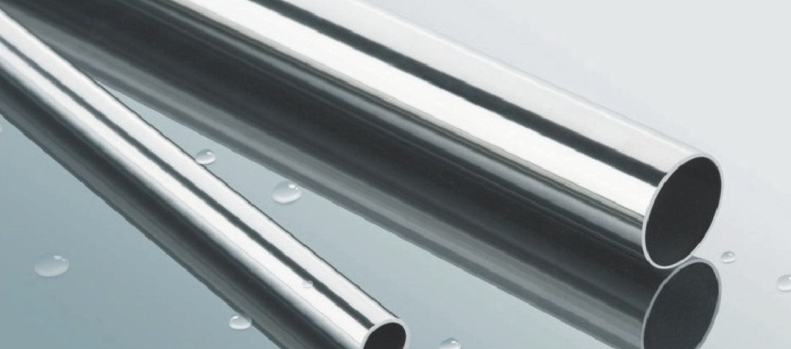

ERW Welded Pipe (Black Pipe and Hot-dip Galvanized Steel Pipe)
Handan Zhengda Steel Pipe Co., Ltd.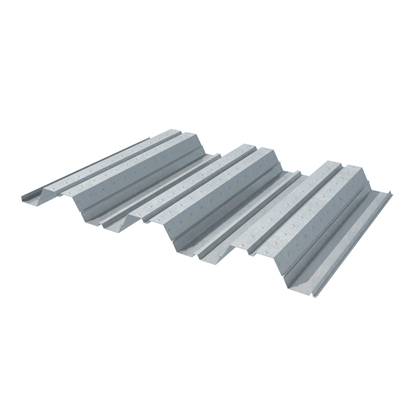
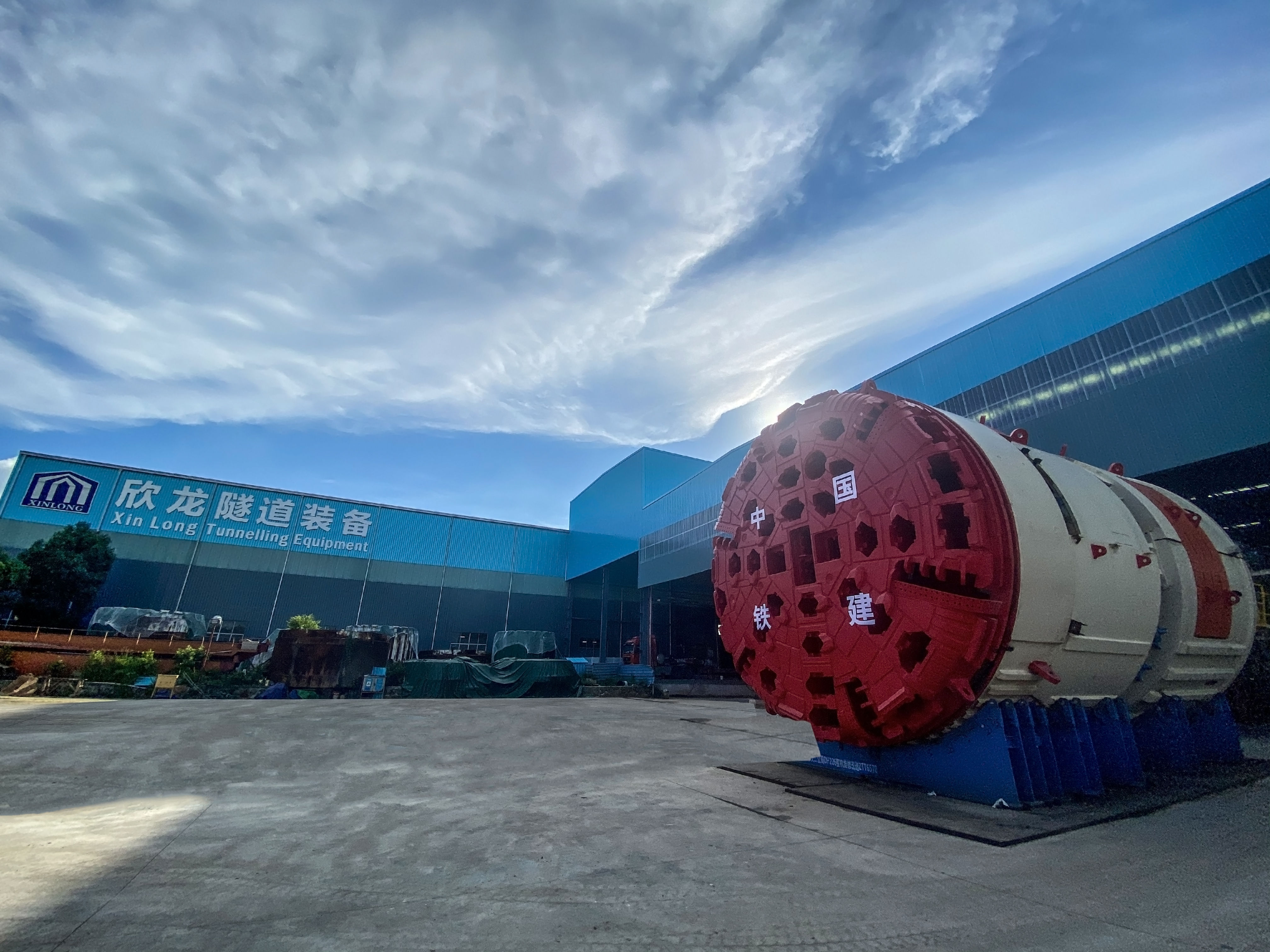

Ceiling light | led Ceiling Light | LED Indoor light | LED Ceiling lighting
Queendom Group Technology Co., Ltd.
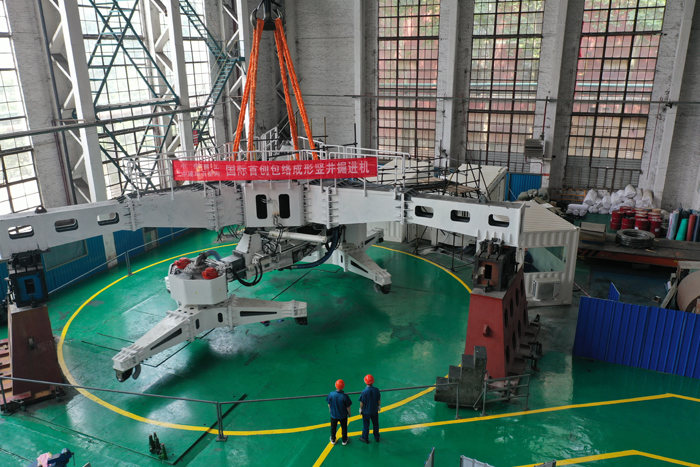
CITIC Heavy Industries Tunneling Equipment Tunnel Engineering Shield Machine
CITIC Heavy Industries Co., Ltd.

Industrial and Commercial Point-Type Gas Detector
Jinan Benan Technology Development Co., Ltd.
West China Xiamen Hospital of Sichuan University
Wuhan Huakang Century Clean Technology Co., Ltd.