Portugal's 195 MW Tâmega Norte Wind Farm Begins Operations
en.Wedoany.com Reported - Spanish company Iberdrola has announced that the Tâmega Norte wind farm in Portugal has officially entered commercial operation. This wind farm is one of two wind farms within the Tâmega Complex (also known as the "Gigabattery") and is the first wind-hydro hybrid project connected to the grid on the Iberian Peninsula, located between the municipalities of Cabeceiras de Basto and Montalegre near Braga and Vila Real.
The project consists of two wind farms, North and South, and is connected to a large pumped storage hydropower plant. The hydropower and wind power share the same electrical infrastructure and grid connection, operating in a complementary manner: when wind resources are abundant, they are utilized within the existing installed capacity; when conditions change, hydropower provides flexibility to the system.
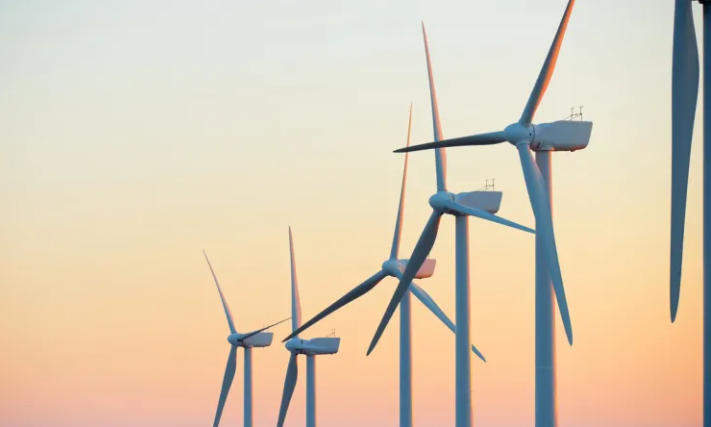
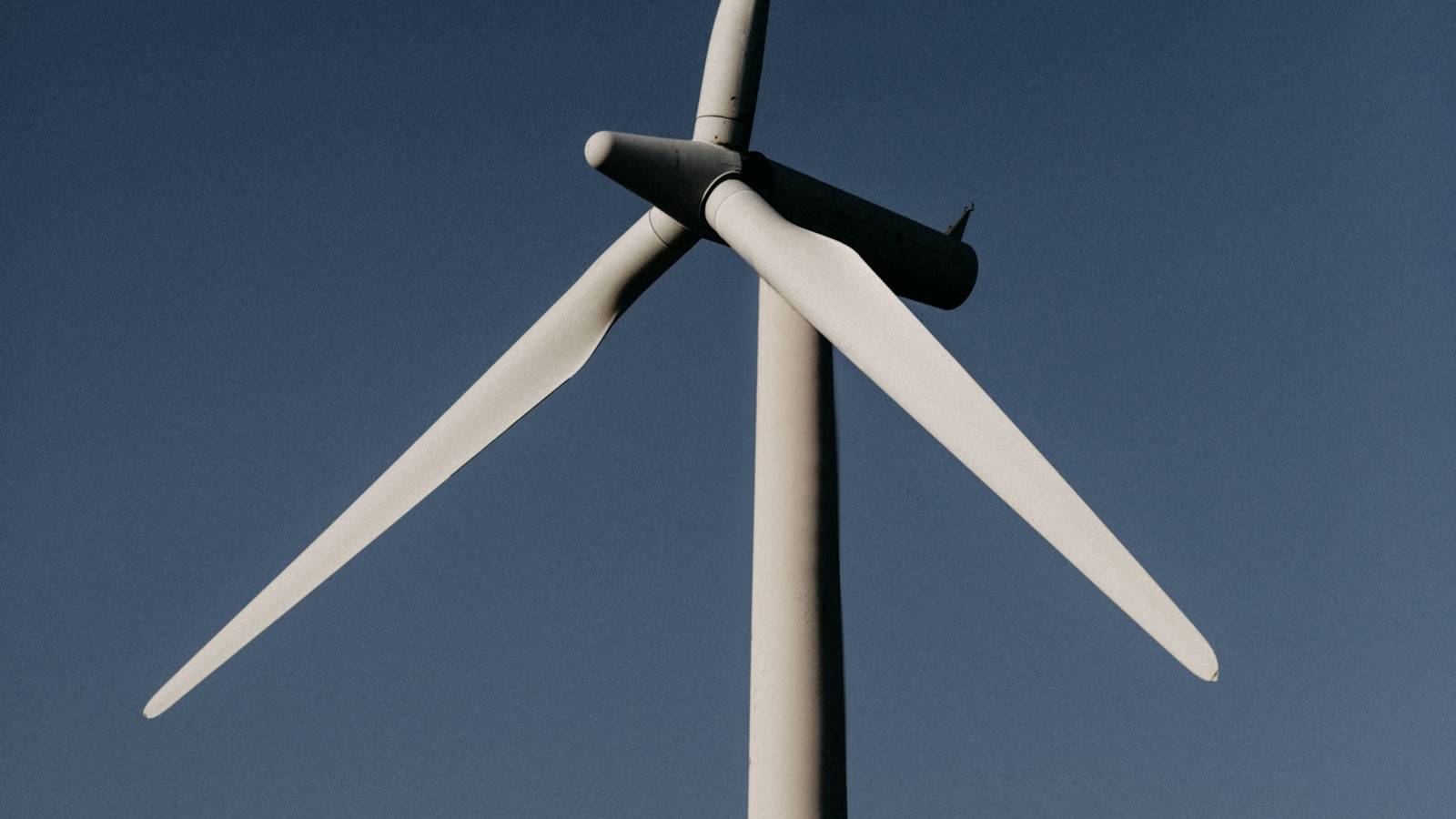
The Tâmega Norte wind farm has an installed capacity of 195 MW, consisting of 27 Vestas wind turbines, each with a capacity of 7.2 MW and a rotor height of 172 meters, making it one of the projects with the highest individual turbine capacity installed by the company in onshore projects. Iberdrola stated that construction was "quite challenging" due to weather and environmental conditions during certain species' breeding seasons, with spring and summer conditions "significantly impacting" the construction schedule.
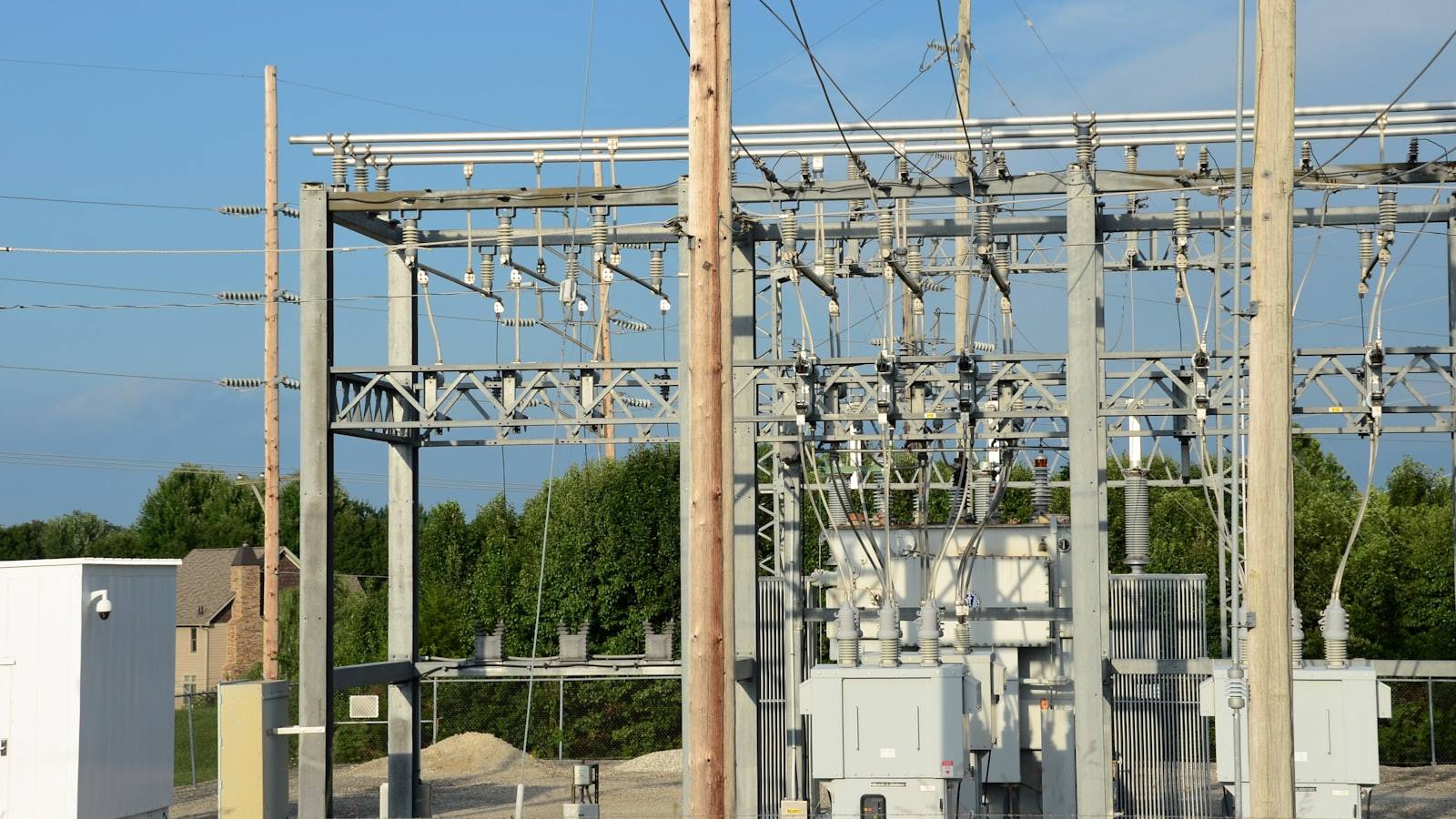
The Tâmega Norte wind farm is expected to generate approximately 414 GWh annually, while the concurrently built Tâmega Sul wind farm will generate 185 GWh annually. The electricity will be transmitted using the complex's existing infrastructure, connecting to the Portuguese national grid (Red Eléctrica Nacional, REN) hub at Ribeira de Pena: northward via the Devois substation and southward via the Gouvães substation.
The total investment for the two wind farms is €346 million (approximately $402 million), with €237 million (approximately $275 million) for the Tâmega Norte wind farm and €109 million (approximately $126 million) for the Tâmega Sul wind farm. The project involves numerous international and domestic suppliers, including the Basque group Haizea Wind (through its subsidiary HaizeaTecnoaranda), which, as a supplier to Danish wind turbine manufacturer Vestas, specializes in the design, manufacture, and assembly of metal structures and castings for the wind power industry.
A unique feature of the project is the use of BladeLifter technology to transport "considerably sized" blades. The complexity lies not only in the blade length but also in the terrain—sharp curves and steep slopes. At the Tâmega Norte wind farm, the BladeLifter can raise the blades by 25 to 30 degrees, facilitating transport on narrow roads without the need for road widening or major civil engineering works.
The complex is financed by the European Investment Bank (EIB) and involves a partnership with Norges Bank, which will hold a 49% stake in the plant after it becomes operational.
This article is compiled by Wedoany. All AI citations must indicate the source as "Wedoany". If there is any infringement or other issues, please notify us promptly, and we will modify or delete it accordingly. Email: news@wedoany.com
Related Products

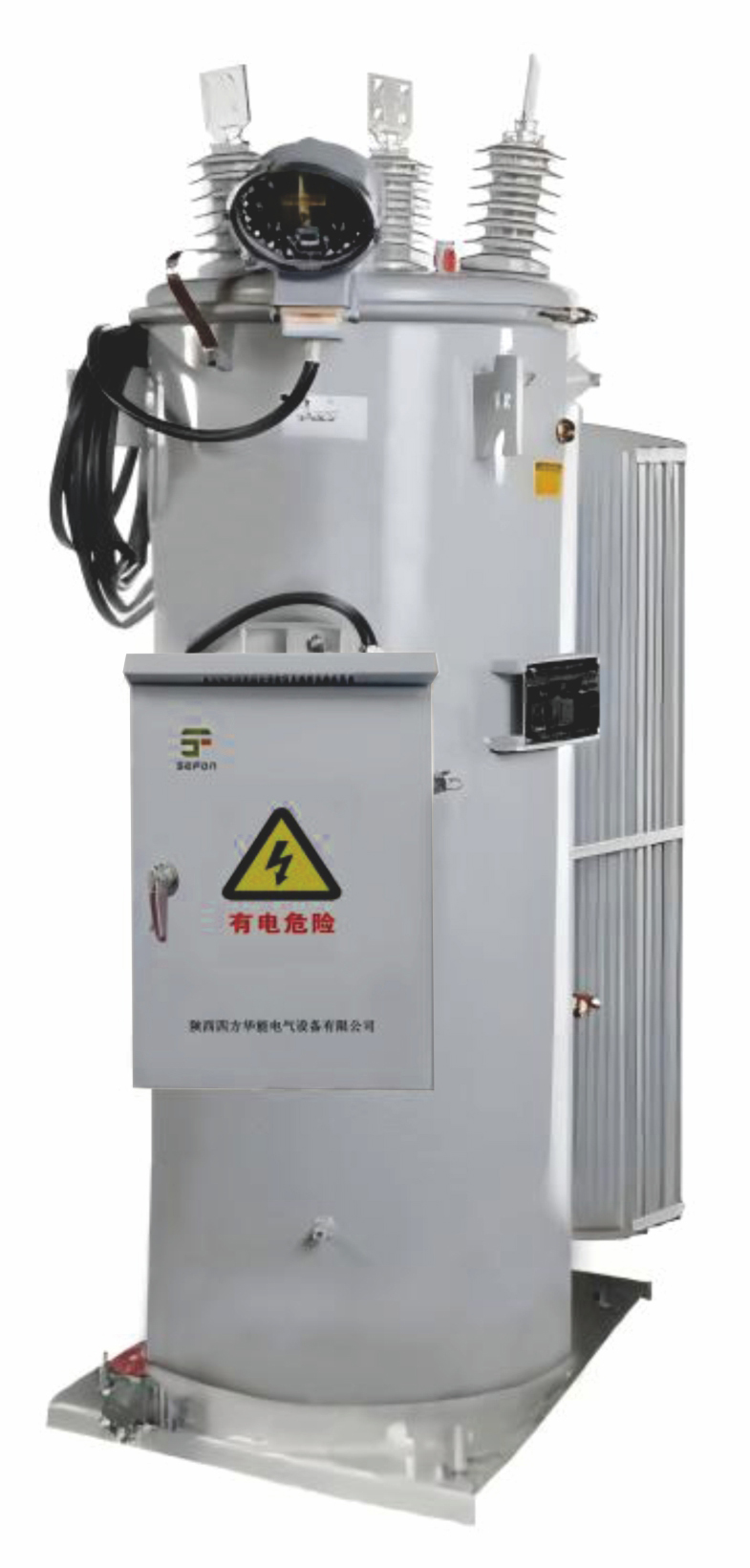
Single-Phase Automatic Voltage Regulator(AVR)
Shaanxi Sefon Electrical Equipment Co.,Ltd.
Perfluorinated Ionic Membrane-CM-10N Series Membrane
Guizhou Juneng Century Technology Co., Ltd
Hydraulic Turbine Genset
Dongfang Electric Corporation Dongfang Electric Machinery Co., Ltd.
5012kWh DC Energy Storage System TD-EES-5012kWh
Suzhou Tongding Xindong Energy Storage Technology Co., Ltd.
1000kV Jin Southeast-Nanyang-Jingmen UHV AC Transmission and Transformation Pilot Demonstration Project
Anhui Hongyuan Steel Tower Co., Ltd.
"Shunyi 1600" Deep-submerging Bottom-sitting Multi-functional Wind Power Engineering Vessel
Zhengli Offshore Engineering Co., Ltd.
Electromagnetic Fluid Seawater Floating Oil Separation and Recover Equipment
Huate Magnet Group Co., Ltd.